










How to Start a Blog Without These 5 Costly Beginner Errors
Starting a blog feels like launching into uncharted territory. You’re ready to share your expertise with the world, but one wrong move can waste months of effort and hundreds of dollars. This guide is for aspiring bloggers and business owners who want to build a successful blog from day one. We’ll walk through how to […]




What is the best investment for beginners in India?
Investing for beginners in India can seem daunting, but with the right approach, you can start building wealth steadily. Here are some of the best investment options tailored for beginners in India: 1. Mutual Funds: Considered one of the safest and beginner-friendly investment options. Mutual fundsRead more
Investing for beginners in India can seem daunting, but with the right approach, you can start building wealth steadily. Here are some of the best investment options tailored for beginners in India:
1. Mutual Funds: Considered one of the safest and beginner-friendly investment options. Mutual funds pool money from multiple investors to invest in stocks, bonds, or other assets. They are managed by professional fund managers.
2. Public Provident Fund (PPF): A popular long-term investment scheme with a lock-in period of 15 years, PPF offers tax benefits and a guaranteed return. It’s a low-risk investment ideal for retirement planning.
3. SIP (Systematic Investment Plan): SIP is a convenient way to invest in mutual funds regularly. You can start with a small amount and invest periodically, reducing the impact of market volatility.
4. Stock Market: While it involves risk, investing in the stock market can offer high returns. Beginners can start with blue-chip stocks or take the help of a financial advisor.
5. Recurring Deposits: RDs are offered by banks, allowing investors to deposit a fixed amount monthly. The interest rates are usually higher than savings accounts.
6. Gold: Indians traditionally value gold as an investment. You can invest in physical gold, gold ETFs, or sovereign gold bonds.
7. National Pension System (NPS): NPS is a voluntary, long-term retirement savings scheme designed to enable systematic
See lessHow can I save money on groceries each month?
Saving money on groceries each month is a common goal for many people looking to trim their expenses. Here are some expert tips to help you achieve this without compromising on the quality of your meals:1. Plan your meals and create a shopping list:- Plan your meals for the week before heading to thRead more
Saving money on groceries each month is a common goal for many people looking to trim their expenses. Here are some expert tips to help you achieve this without compromising on the quality of your meals:
1. Plan your meals and create a shopping list:
– Plan your meals for the week before heading to the store.
– Create a detailed shopping list based on your meal plan to avoid impulse purchases.
2. Shop with a budget in mind:
– Set a budget for your groceries and stick to it.
– Consider using cash instead of cards to prevent overspending.
3. Take advantage of sales and discounts:
– Look for coupons, discounts, and special offers from your local grocery stores.
– Consider buying non-perishable items in bulk when they are on sale.
4. Buy in-season produce:
– In-season fruits and vegetables are usually cheaper and fresher.
– Check for local farmers’ markets for affordable options.
5. Cook and eat at home:
– Eating out can be expensive compared to cooking meals at home.
– Prepare large batches of meals and freeze them for later to save time and money.
6. Avoid buying convenience foods:
– Pre-packaged and processed foods tend to be more expensive.
– Opt for whole foods and prepare them yourself to save money.
7. Compare prices and consider store brands:
– Compare prices between different brands and opt for store
See lessHow much should I save for retirement in my 20s?
Saving for retirement in your 20s is a smart financial move that can set you up for a comfortable future. Here's a guide on how much you should save: 1. Start Early: Time is your biggest asset when saving for retirement due to the power of compounding interest. The earlier you start, the less you'llRead more
Saving for retirement in your 20s is a smart financial move that can set you up for a comfortable future. Here’s a guide on how much you should save:
1. Start Early: Time is your biggest asset when saving for retirement due to the power of compounding interest. The earlier you start, the less you’ll have to save each month to reach your goal.
2. Set a Target: Financial experts often recommend saving between 10% to 15% of your income for retirement. However, everyone’s situation is unique so adjust this percentage based on your income, expenses, and retirement goals.
3. Consider Matching Contributions: If your employer offers a retirement savings plan like a 401(k) with a matching contribution, try to contribute enough to get the full match. It’s essentially free money and boosts your retirement savings significantly.
4. Use Retirement Calculators: Online retirement calculators can help you estimate how much you should save based on factors like your age, income, current savings, and retirement age. This can give you a clearer picture of your retirement savings goal.
5. Increase Savings with Income Growth: As your income grows throughout your career, aim to increase your retirement savings contributions. This will help you stay on track to reach your retirement savings goal.
6. Monitor and Adjust: Regularly review your retirement savings progress and be prepared to adjust your contributions if needed. Life circumstances change, so it’s important to stay flexible with your savings
See lessWhat are the common budgeting mistakes to avoid?
Common budgeting mistakes to avoid include: 1. Not Creating a Detailed Budget: Failing to establish a comprehensive budget can lead to overspending, missed savings opportunities, and financial insecurity. 2. Underestimating Expenses: Many people only consider fixed expenses like rent or mortgage payRead more
Common budgeting mistakes to avoid include:
1. Not Creating a Detailed Budget: Failing to establish a comprehensive budget can lead to overspending, missed savings opportunities, and financial insecurity.
2. Underestimating Expenses: Many people only consider fixed expenses like rent or mortgage payments, but forget about irregular expenses like car repairs or medical bills. It’s crucial to account for all potential expenses.
3. Ignoring Emergency Funds: Not setting aside money for unexpected emergencies can derail your financial goals when unforeseen expenses arise.
4. Failing to Track Spending: Without monitoring your expenses regularly, it’s easy to lose control of your budget. Tracking your spending helps identify areas where you can cut back or save more.
5. Relying on Credit Cards: Depending on credit cards to cover budget shortfalls can lead to high-interest debt that becomes difficult to pay off, creating a cycle of financial stress.
6. Overlooking Small Expenses: While small purchases may seem insignificant, they can add up over time and sabotage your budget. Being mindful of even minor expenses is essential for staying on track.
7. Not Reviewing and Adjusting Your Budget: Circumstances change, so it’s essential to regularly review your budget and make necessary adjustments to ensure it aligns with your financial goals.
8. Forgetting Long-term Financial Planning: Focusing solely on immediate financial needs without considering long-term goals like retirement savings or investments can hinder your overall financial well-being.
It’s
See lessHow to budget for irregular income?
Budgeting for irregular income can be challenging, but with the right strategies, you can effectively manage your finances. Here are some expert tips to help you budget for irregular income: 1. Calculate Your Average Monthly Income:- Review your income from the past year or more to determine an averRead more
Budgeting for irregular income can be challenging, but with the right strategies, you can effectively manage your finances. Here are some expert tips to help you budget for irregular income:
1. Calculate Your Average Monthly Income:
– Review your income from the past year or more to determine an average monthly income. This will give you a baseline to work with.
2. Create a Bare-Bones Budget:
– Identify essential expenses like housing, utilities, groceries, and transportation. Allocate funds to cover these necessities first.
3. Build an Emergency Fund:
– Set aside money from your irregular income to create an emergency fund that can cover unexpected expenses or income gaps.
4. Prioritize Savings Goals:
– Determine your financial goals such as debt repayment, retirement savings, or a major purchase. Allocate a portion of your income to each goal.
5. Use a Zero-Sum Budget Approach:
– Give every dollar a job by assigning specific categories for spending, saving, and investing. Adjust your budget as your income varies.
6. Track Your Spending:
– Keep a close eye on your expenses to ensure you’re staying within your budget. Use budgeting tools or apps to help you track your financial transactions.
7. Adjust Your Budget Regularly:
– Since your income fluctuates, it’s important to review and adjust your budget on a regular basis. Be flexible and adaptable to changes in your financial situation.
8
See lessCan I save money without cutting my lifestyle drastically?
Yes, it is possible to save money without drastically cutting your lifestyle by implementing some smart strategies and making conscious decisions. Here's how you can do it: 1. Budgeting: Create a detailed budget to track your income and expenses. Identify areas where you can cut back without signifiRead more
Yes, it is possible to save money without drastically cutting your lifestyle by implementing some smart strategies and making conscious decisions. Here’s how you can do it:
1. Budgeting: Create a detailed budget to track your income and expenses. Identify areas where you can cut back without significantly impacting your lifestyle.
2. Reduce Unnecessary Expenses: Review your spending habits and identify items or services you can live without. Cut back on dining out, subscription services, or impulse purchases.
3. Prioritize Savings: Treat savings like a recurring expense. Set up automated transfers to your savings account each month before you spend on non-essentials.
4. Comparison Shopping: Compare prices before making significant purchases. Look for discounts, coupons, and deals to save money without sacrificing quality.
5. Meal Planning: Plan your meals ahead to avoid wastage and unnecessary trips to the grocery store. Cook at home more often to save on dining expenses.
6. Seek Discounts and Rewards: Take advantage of loyalty programs, cashback rewards, and discounts offered by retailers to save money on everyday purchases.
7. Review Subscriptions: Identify and cancel any unused or unnecessary subscriptions like gym memberships, streaming services, or magazine subscriptions.
8. Energy Efficiency: Save on utility bills by being mindful of energy consumption. Turn off lights and unplug devices when not in use, and consider energy-efficient appliances.
By implementing these practical tips, you can start saving money without drastically altering your lifestyle. Remember,
See lessHow many goldbees is 1 gram of gold?
One gram of gold is approximately equivalent to 62.2 "goldbees."- "Goldbee" is a fictional term not recognized in the standard units of measurement.- The question seems to be a play on words or a made-up concept rather than based on factual information.- Gold weight is typically measured in grams, oRead more
One gram of gold is approximately equivalent to 62.2 “goldbees.”
– “Goldbee” is a fictional term not recognized in the standard units of measurement.
– The question seems to be a play on words or a made-up concept rather than based on factual information.
– Gold weight is typically measured in grams, ounces, or troy ounces, not in unconventional units like “goldbees.”
– To determine the amount of gold in grams, you can use a precise weighing scale designed for small weights.
Hope this helps—feel free to add your experience or ask a follow-up.
See lessHow do I create an emergency fund from scratch?
Creating an emergency fund from scratch is a crucial step in achieving financial stability and peace of mind. Here's a detailed guide on how to build an emergency fund effectively:Step 1: Set a Clear Goal- Determine how much you want to save for your emergency fund. A common recommendation is to havRead more
Creating an emergency fund from scratch is a crucial step in achieving financial stability and peace of mind. Here’s a detailed guide on how to build an emergency fund effectively:
Step 1: Set a Clear Goal
– Determine how much you want to save for your emergency fund. A common recommendation is to have 3 to 6 months’ worth of living expenses.
Step 2: Track Your Expenses
– Analyze your monthly expenses to understand your spending habits and identify areas where you can cut back to save more.
Step 3: Create a Budget
– Develop a realistic budget that allocates a portion of your income towards your emergency fund. Consider using budgeting tools or apps to help you stay on track.
Step 4: Start Small and Be Consistent
– Begin by setting achievable savings goals. Even saving a small amount regularly can add up over time. Consistency is key.
Step 5: Choose the Right Savings Account
– Opt for a high-yield savings account or a money market account that offers competitive interest rates to help your money grow faster.
Step 6: Automate Your Savings
– Set up automatic transfers from your checking account to your emergency fund to ensure a consistent savings habit.
Step 7: Reassess and Adjust
– Periodically review your budget and savings goals. Adjust as needed based on changes in your income or expenses.
Common Mistakes to Avoid:
– Not Prioritizing Emergency Fund:
See lessIs the 50/30/20 budgeting rule effective?
The 50/30/20 budgeting rule, popularized by Senator Elizabeth Warren in her book "All Your Worth: The Ultimate Lifetime Money Plan," is a simple and effective guideline for managing personal finances. Here's an overview of the rule's effectiveness and some key points to consider:What is the 50/30/20Read more
The 50/30/20 budgeting rule, popularized by Senator Elizabeth Warren in her book “All Your Worth: The Ultimate Lifetime Money Plan,” is a simple and effective guideline for managing personal finances. Here’s an overview of the rule’s effectiveness and some key points to consider:
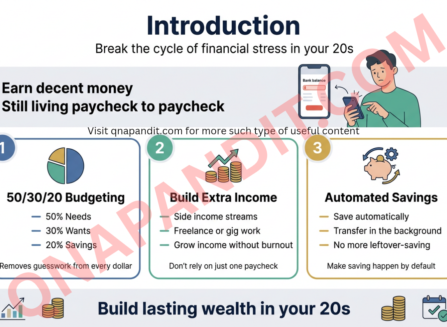
What is the 50/30/20 Budgeting Rule?
1. 50% Needs, 30% Wants, 20% Savings/Debt Repayment:
– Allocate 50% of your after-tax income to necessities like housing, utilities, food.
– Dedicate 30% to discretionary expenses such as dining out, shopping, entertainment.
– Save 20% for financial goals like emergency fund, retirement savings, debt payments.
Effectiveness of the Rule:
1. Simplicity and Clarity:
– Easy-to-understand framework for budgeting.
– Provides a balanced approach to managing finances.
2. Promotes Financial Health:
– Encourages saving and debt reduction.
– Helps prioritize spending on essentials over wants.
3. Personalization:
– Can be adjusted based on individual circumstances.
– Serves as a foundation for building a more detailed budget.
Hidden Pain Points and Considerations:
1. Variability:
– Fixed living costs may exceed 50%, especially in high-cost areas.
– Personal situations might require flexibility in the allocation percentages.
2. **Emergency Fund
See lessHow much of my income should I save each month?
When it comes to saving a portion of your income each month, it's essential to strike a balance between meeting your current financial needs and securing your future financial stability. While the exact percentage may vary based on individual circumstances, financial experts generally recommend follRead more
When it comes to saving a portion of your income each month, it’s essential to strike a balance between meeting your current financial needs and securing your future financial stability. While the exact percentage may vary based on individual circumstances, financial experts generally recommend following the 50/30/20 rule for personal finance:
– 50% for Needs: Allocate approximately 50% of your income towards essential expenses like housing, utilities, groceries, transportation, and insurance.
– 30% for Wants: Reserve around 30% for discretionary spending on non-essential items such as dining out, entertainment, hobbies, and shopping.
– 20% for Savings: Aim to save at least 20% of your income each month. This portion can go towards various savings goals, including emergency fund, retirement savings, investments, and other financial objectives.
By prioritizing savings and making it a non-negotiable part of your budget, you establish a healthy financial habit that can lead to long-term wealth accumulation and financial security.
Remember, the key to successful saving is consistency and discipline. Automating your savings through direct deposit or setting up recurring transfers to a separate savings account can help you stay on track without the temptation to spend the money elsewhere.
Additionally, consider optimizing your savings by:
– Regularly reviewing and adjusting your budget to ensure your savings rate aligns with your financial goals.
– Maximizing contributions to tax-advantaged accounts like 401(k)s, IRAs, or other retirement savings
See less