Small business owners know they need a strong social media presence, but many worry about the costs. The truth is, you don’t need a massive marketing budget to succeed on social platforms. Smart small business social media strategies can deliver real results without breaking the bank.
This guide is for small business owners, entrepreneurs, and marketing managers who want to maximize their social media ROI while working with limited resources. You’ll discover proven budget-friendly social media marketing tactics that help you compete with bigger brands and build genuine connections with your audience.
We’ll cover how to create compelling content using free tools and resources that deliver professional results on any budget. You’ll also learn strategic approaches to organic growth through community engagement and user-generated content that builds lasting customer relationships. Finally, we’ll explore smart ways to stretch your advertising dollars with targeted, low-cost campaigns that actually convert.
Ready to transform your social media presence without emptying your wallet? Let’s dive into these practical, budget-conscious strategies that work for real businesses.
Understanding Why Social Media is Essential for Small Business Success

Social Media as the Great Equalizer for Small Businesses
Social media marketing budget constraints often concern small business owners, but the digital landscape has fundamentally changed the competitive playing field. With over 5 billion active social media users worldwide in 2024, social platforms offer unprecedented access to vast audiences without the traditional barriers of expensive advertising channels. Unlike TV, radio, or print media that require substantial financial investment, social media provides free access to millions of potential customers through organic content strategies.
The democratizing power of social media becomes evident when considering that 200 million small companies actively use Facebook alone, competing directly with larger corporations for audience attention. Small businesses can leverage authentic storytelling and personalized engagement to build meaningful connections that often outperform generic corporate messaging. This personal touch creates competitive advantages that larger companies struggle to replicate at scale, making budget-friendly social media marketing a powerful equalizer in today’s digital marketplace.
Building Brand Awareness and Customer Trust on Digital Platforms
Digital platforms provide exceptional opportunities for small businesses to establish credibility and expand their reach cost-effectively. Strategic social media presence allows businesses to showcase their expertise, share behind-the-scenes content, and demonstrate authentic customer experiences that build trust organically. User-generated content and customer testimonials shared across social channels create powerful social proof that influences purchasing decisions more effectively than traditional advertising methods.
The visual nature of platforms like Instagram enables businesses to create compelling brand narratives through high-quality photos and videos, while professional networks like LinkedIn position service providers as industry thought leaders. Research shows that 78% of consumers discover products through Facebook, demonstrating the platform’s significant impact on purchase behavior. Small businesses can harness these discovery opportunities by maintaining consistent visual branding, sharing valuable educational content, and actively engaging with their community to establish authority and trustworthiness in their market.
Leveraging Social Media for Better Targeting and Customer Engagement
Modern social media platforms offer sophisticated targeting capabilities that allow small businesses to reach specific demographics, interests, and geographic locations with precision previously available only to large corporations. The ability to segment audiences based on specific criteria enables highly focused campaigns that maximize limited marketing budgets while improving conversion rates. Small businesses can create targeted content that resonates with distinct customer segments, from location-based posts for local service providers to industry-specific insights for B2B companies.
Real-time customer engagement capabilities transform traditional customer service into dynamic relationship-building opportunities. Businesses can monitor customer sentiment, respond promptly to inquiries, and address concerns before they escalate, creating superior customer experiences that build loyalty. Interactive features such as polls, live chats, Q&A sessions, and direct messaging facilitate immediate communication and provide valuable customer feedback. This responsive approach not only improves customer satisfaction but also generates authentic engagement that enhances algorithmic visibility, extending organic reach without additional advertising costs. The combination of precise targeting and immediate engagement creates sustainable competitive advantages for small businesses operating on limited budgets.
Strategic Budget Planning for Maximum Social Media ROI

Determining Your Social Media Budget Based on Business Goals
Your social media marketing budget should directly reflect your business objectives, not arbitrary percentages or industry averages. According to research, the average social media budget ranges between $200 and $350 per day, but this figure means little without considering your specific goals and expected returns.
When establishing your budget, start by clearly defining what you want to achieve. If your primary goal is brand awareness, allocate 60-70% of your budget to organic content creation and 30-40% to boosted posts and reach-based advertising. For businesses focused on lead generation, shift this allocation to 70-80% for paid ads and sponsored content, with 20-30% supporting organic lead-nurturing content. If direct sales conversions are your priority, consider investing 50-60% in retargeting advertisements while supplementing with organic testimonials and user-generated content.
Your budget allocation should also reflect your industry’s typical customer lifetime value and conversion patterns. B2B companies often require larger investments in relationship-building content, while e-commerce businesses might see better returns from direct-response advertising. The key is ensuring every dollar supports your overall strategy rather than spreading resources too thin across competing objectives.
Allocating Resources Effectively Across Platforms and Tools
Effective resource allocation requires understanding where your audience is most active and responsive. Research shows that 91% of B2C marketers prioritize Facebook, while 86% of B2B marketers focus on LinkedIn for their social media marketing efforts. This data highlights the importance of concentrating your budget on platforms where your target audience is most engaged.
Your platform allocation should consider both organic and paid opportunities. Facebook and Instagram excel at paid advertising with sophisticated targeting options, making them ideal for conversion-focused campaigns. LinkedIn offers premium B2B targeting but at higher costs per click. TikTok provides excellent organic reach for younger demographics but requires consistent content creation investment.
Beyond platform costs, factor in the tools and software necessary for success. Free tools like Canva for content creation and Buffer for scheduling can stretch smaller budgets, while paid analytics platforms like HubSpot or AdEspresso enable more sophisticated tracking and optimization. Many businesses find that investing in platforms like Meta Business Suite helps unify organic and paid performance tracking, providing better overall ROI measurement.
Consider your human resources allocation as well. Building an in-house social media team costs 30-50% more than outsourcing to specialized agencies or freelancers, making outsourcing an attractive option for small businesses with limited budgets.
Setting Clear Goals Before Spending Any Money
Before allocating any budget to social media marketing, establish specific, measurable goals that align with your broader business objectives. Vague aspirations like “increase engagement” provide no framework for measuring success or optimizing spend. Instead, create SMART goals (Specific, Measurable, Attainable, Relevant, Time-bound) such as “Increase Instagram engagement rate by 15% in Q3” or “Generate 200 qualified leads from Facebook advertising with a cost per lead under $50.”
Your goals will directly influence both your budget size and allocation strategy. Brand awareness campaigns require consistent, long-term investment in content creation and organic reach, while conversion-focused campaigns need concentrated spending on high-performing ad formats and precise audience targeting. Track key metrics that align with your objectives: Click-Through Rates (CTR), engagement rates, conversion rates, Cost Per Click (CPC), and customer acquisition costs.
Setting ROI expectations upfront helps determine appropriate budget levels. If you expect a 400% return on investment, your budget planning should account for the testing period, optimization costs, and scaling requirements needed to achieve those returns. Remember that organic efforts yield long-term brand credibility and typically require 3-6 months to show significant results, while paid campaigns can drive faster, more measurable outcomes but require ongoing investment to maintain performance.
Use historical data when available to inform your goal-setting process. Review past performance metrics including Customer Lifetime Value (CLV), conversion rates, and Return on Ad Spend (RoAS) to establish realistic benchmarks and budget requirements for achieving your objectives.
Choosing the Right Platforms for Your Target Audience

Focusing on 2-3 High-Impact Platforms Instead of Spreading Thin
When you’re working with limited resources, the temptation to be everywhere at once can be overwhelming. However, successful small business social media marketing on a budget requires strategic focus rather than broad distribution. According to marketing experts, businesses that concentrate their efforts on 2-3 platforms typically see significantly better results than those attempting to maintain a presence across multiple channels.
The key advantage of this focused approach lies in resource optimization. Small business owners often have limited time for content creation and engagement, making it crucial to maximize impact where it matters most. By dedicating your energy to fewer platforms, you can create higher-quality content, engage more meaningfully with your audience, and develop a deeper understanding of what resonates with your community.
This strategy also allows for consistency in posting and engagement, which is essential for building brand recognition and keeping your audience engaged. When you spread yourself too thin across numerous platforms, maintaining regular posting schedules becomes nearly impossible, ultimately weakening your overall social media presence.
Matching Platform Selection to Your Business Type and Audience
Now that we understand the importance of platform focus, let’s explore how to select the right channels for your specific business. Different platforms serve distinct purposes and attract varied demographics, making it essential to align your choice with your business goals and target audience characteristics.
For B2B companies and professional services, LinkedIn stands out as the premier platform. With over 1 billion users globally, it’s specifically designed for business interactions and facilitates connections with potential clients, partners, and industry experts. LinkedIn users are primarily professionals seeking business opportunities, making it ideal for establishing thought leadership and generating quality leads. In fact, 89% of marketers use LinkedIn for lead generation.
Visual-focused businesses, particularly those in retail, food, fashion, or lifestyle sectors, find Instagram highly effective. With 72% of users making purchases after seeing products on Instagram, the platform serves as a powerful sales driver. Instagram’s features like Stories, Reels, and Shopping tags make it particularly valuable for product showcases and brand storytelling.
For businesses targeting younger demographics or those comfortable with video content creation, TikTok offers exceptional organic reach potential. The platform’s algorithm favors creative content from smaller accounts, making it easier for small businesses to achieve visibility without significant advertising spend.
YouTube works exceptionally well for businesses that can leverage educational content, tutorials, or demonstrations. As the second-most-visited website globally with 2.5 billion monthly active users, it provides excellent SEO benefits and long-term content value.
Understanding Where Your Customers Spend Their Time Online
With platform characteristics in mind, the most critical factor in choosing the right social media platforms is understanding your customers’ online behavior. This requires moving beyond assumptions to gather actual data about where your target audience actively engages.
Start by analyzing your existing customer demographics and psychographics. Consider their age, interests, professional status, and purchasing behaviors. For example, if your target audience consists of younger adults, platforms like Instagram or YouTube may be more effective than Facebook, which tends to attract an older demographic.
The most effective approach is direct research. Talk to your best clients or ideal prospects and ask specific questions about their social media habits. Where do they look when they’re trying to solve problems related to your industry? What platforms do they use for professional networking versus entertainment? This primary research often reveals surprising insights that can dramatically improve your platform selection.
Consider conducting simple surveys or informal interviews with existing customers to understand their preferred communication channels. You might discover that your B2B audience is active in niche LinkedIn groups, or that your consumer audience relies heavily on Instagram Stories for product discovery.
Remember that customer behavior varies by industry and region. A commercial cleaning business targeting SMEs might find LinkedIn most effective for reaching decision-makers, while a local restaurant might see better results on Instagram or Facebook for building community engagement.
The key is to follow your audience rather than chasing trends. Even if TikTok is experiencing massive growth, it won’t benefit your business if your target customers aren’t active there. Focus your social media marketing budget on platforms where genuine engagement and conversion opportunities exist for your specific audience.
Creating High-Quality Content Without Breaking the Bank

Utilizing Free Design Tools and Smartphone Photography
Creating compelling visual content doesn’t require expensive equipment or professional design software. Your smartphone camera can produce high-quality images when used strategically. Focus on good lighting—natural light from windows works best—and keep your backgrounds clean and uncluttered. For enhanced results, use your phone’s built-in editing features to adjust brightness, contrast, and saturation.
Canva stands out as the most accessible free design tool, offering over 100 million users customizable templates for social media posts, stories, and video content. The platform includes collaboration features and basic video editing capabilities, making it perfect for small businesses starting their social media marketing budget journey.
Adobe Express provides another excellent option if you already have an Adobe subscription, offering more robust design capabilities at no additional cost. What makes Adobe Express particularly valuable is its rare free content scheduling feature for all major social platforms, helping streamline your workflow without extra software costs.
For video content, convert existing footage into engaging GIFs using ezGIF—a completely free tool that allows you to resize, crop, and optimize videos for social media platforms like Twitter, Facebook, and LinkedIn.
Developing Budget-Friendly Content Types That Drive Engagement
Video content offers the highest engagement rates, and contrary to popular belief, it doesn’t require expensive production. With smartphone cameras and free editing tools, you can create compelling video content that resonates with your audience. Mix short and long-form videos to maximize viewer engagement—longer videos work well for detailed product demonstrations, while short clips are perfect for quick tips or behind-the-scenes content.
Live videos represent one of the most cost-effective content types, requiring no post-production and creating authentic connections with your audience. Share spontaneous moments, conduct Q&A sessions, or provide real-time updates about your business operations.
User-generated content serves as another budget-friendly strategy that builds brand loyalty while reducing content creation costs. Encourage customers to share their experiences with your products or services, then reshare their content (with permission) to your own channels. This approach not only saves money but also provides authentic social proof that potential customers trust.
Educational content performs exceptionally well across all platforms and positions your business as an industry authority. Share tips, tutorials, or industry insights that provide genuine value to your audience, establishing trust and encouraging long-term engagement.
Repurposing Single Content Pieces Across Multiple Platforms
Content repurposing is your most powerful budget-friendly social media marketing strategy. A single piece of content can be transformed into multiple formats for different platforms, maximizing your investment while reaching diverse audiences.
Transform blog posts into Twitter threads by using headers as guidance for individual tweets. Extract key statistics or research findings from longer content to create eye-catching infographics that perform well on LinkedIn and Pinterest.
Video content offers exceptional repurposing opportunities—convert a six-minute product demonstration into 30-second highlights optimized for Instagram Reels or TikTok. Use audio from original videos to create shorter versions that maintain the message while fitting platform-specific requirements.
Turn poll results and quiz findings into informational posts that work particularly well on LinkedIn’s professional audience. This strategy helps you extract maximum value from interactive content while providing valuable insights to your followers.
Remember to adapt each repurposed piece to fit the specific platform’s best practices and audience expectations. What works on Facebook may need adjustment for Instagram Stories or LinkedIn posts, but the core message remains consistent, reinforcing your brand’s value proposition across multiple touchpoints.
Maximizing Free Tools and Resources for Social Media Management

Leveraging Free Social Media Management Platforms
Small businesses can significantly reduce their social media marketing budget by utilizing powerful free social media management platforms. Buffer stands out as an excellent option for freelancers, solopreneurs, and small teams who need a no-fuss way to plan and publish content across social channels. Their free-forever plan allows you to connect up to 3 social channels and schedule up to 30 posts at a time, making it ideal for businesses just starting their social media journey.
Planable offers another compelling free option with their free-forever plan that allows up to 1 user and 50 posts. This platform excels in visual content collaboration, allowing teams to preview posts exactly as they’ll appear on each social network before anything goes live. The multi-view content calendar enables you to leave inline comments directly on posts, streamlining the review process without endless email exchanges.
For businesses focused on user-generated content, Taggbox provides a free-forever plan that lets you embed one social media feed with basic customization options. This tool is particularly valuable for ecommerce brands wanting to display customer content on their websites to boost social proof and engagement.
Metricool rounds out the top free options with customizable link tracking through SmartLinks, helping monitor how audiences interact with shared content. Their message management feature consolidates responses from all social media accounts in one place, ensuring no customer interaction goes unnoticed.
Using Scheduling Tools to Maintain Consistency
Consistent posting schedules are crucial for maintaining audience engagement and building brand presence, and free scheduling tools make this achievable even on tight budgets. Buffer’s queue-based scheduling system eliminates the need to set individual publish times for each post. Instead, it spaces content out automatically based on preset schedules, allowing small teams to maintain consistent posting without constant manual intervention.
The platform’s AI assistant generates and repurposes post captions directly in the composer, saving valuable time on content creation. This feature is particularly beneficial for small businesses that lack dedicated content teams but still need to maintain professional, engaging social media presence.
Planable’s content calendar provides drag-and-drop functionality for organizing posts across multiple platforms. The platform’s workspace organization feature separates content, teams, and workflows into distinct areas for different clients or brands, making it easier to manage multiple accounts or campaigns simultaneously.
Many free tools offer basic scheduling features with limitations that are reasonable for small business needs. For instance, most free plans support scheduling across 3-5 social accounts, which typically covers the primary platforms most small businesses use. The key is to establish posting schedules during peak audience activity times and use these tools to automate the process, ensuring content goes live even when you’re focused on other business operations.
Accessing Free Analytics to Track Performance
Understanding social media performance is essential for optimizing your budget-friendly social media marketing efforts, and several free tools provide valuable analytics capabilities. Iconosquare offers a free-forever plan with limited but useful analytics features, allowing small businesses to track basic performance metrics without additional costs.
Buffer’s analytics dashboard tracks post performance metrics like reach, clicks, and engagement across channels in one unified view. This consolidated approach eliminates the need to switch between multiple platform analytics, saving time while providing comprehensive performance insights. The platform’s engagement rate calculator uses custom formulas developed by social media professionals, ensuring accurate performance measurements.
For businesses requiring deeper insights, Keyhole provides hashtag tracking capabilities to measure campaign impact and reach. Their social listening tools help identify industry trends, keeping small businesses ahead of competitors without requiring expensive monitoring services. The platform’s reporting features compile metrics that matter most to business owners, making it easy to present data-driven results to stakeholders.
Most free analytics tools provide essential metrics including:
| Metric Type | What It Measures | Business Value |
|---|---|---|
| Engagement Rate | Likes, comments, shares per post | Content effectiveness |
| Reach | Number of unique users seeing content | Audience growth |
| Click-through Rate | Link clicks from social posts | Traffic generation |
| Follower Growth | New followers over time | Brand awareness expansion |
These metrics help small businesses understand which content resonates with their audience, optimal posting times, and overall return on their social media marketing budget investments.
Building Organic Reach Through Community Engagement

Responding to Comments and Messages for Better Customer Service
Building organic reach through community engagement starts with consistent, authentic interaction with your audience. When businesses actively reply to comments and mentions, they create meaningful connections that boost algorithmic reach while improving community perception. Users view brands more favorably when they see them as active participants with genuine responses rather than distant corporations.
Timely responses to direct messages demonstrate exceptional customer service without additional costs. This approach transforms social media marketing budget constraints into opportunities for personalized engagement. Small business social media strategies benefit significantly from this direct communication approach, as it builds trust and loyalty that larger competitors often struggle to maintain at scale.
The key lies in maintaining authenticity while being responsive. When customers see businesses engaging genuinely with their community, it encourages further interaction, creating a positive cycle that enhances organic social media growth without requiring paid promotion.
Creating Behind-the-Scenes Content to Build Personal Connections
Behind-the-scenes content serves as a powerful tool for brand humanization, making followers feel like they’re part of an inner circle. This affordable social media tactic requires no additional budget while creating compelling content that resonates deeply with audiences. Factory tours, product development processes, and inside scoops on upcoming launches transform ordinary business operations into engaging storytelling opportunities.
Founder stories and employee takeovers further humanize brands by putting real faces behind the business name. When small businesses allow team members to share their perspectives, they communicate that “people just like you work here,” creating relatability that money can’t buy. This strategy aligns perfectly with budget-friendly social media marketing approaches, utilizing existing personnel and processes to create authentic content.
These personal connections drive engagement because humans are naturally drawn to stories and authentic experiences. Behind-the-scenes content demonstrates the “real” side behind polished business facades, building trust through transparency rather than expensive production values.
Engaging in Industry Conversations and Community Building
Strategic participation in industry conversations positions small businesses as thought leaders without requiring significant financial investment. By bringing like-minded users together and asking meaningful questions, businesses can foster communities that extend far beyond their immediate customer base. This approach exemplifies how organic social media growth can be achieved through genuine relationship-building rather than paid advertising.
Asking questions and facilitating discussions creates opportunities for customers and prospects to engage not just with the brand, but with each other. This community-building approach generates multiple touchpoints and conversations, amplifying reach organically while establishing the business as a valuable industry participant.
The long-term benefits of consistent industry engagement compound over time, creating a network effect that supports sustainable growth. When businesses consistently contribute valuable insights to industry discussions, they naturally attract followers who share similar interests and challenges, building an engaged community that supports both immediate engagement goals and long-term business objectives through authentic relationship development.
Harnessing User-Generated Content and Customer Stories
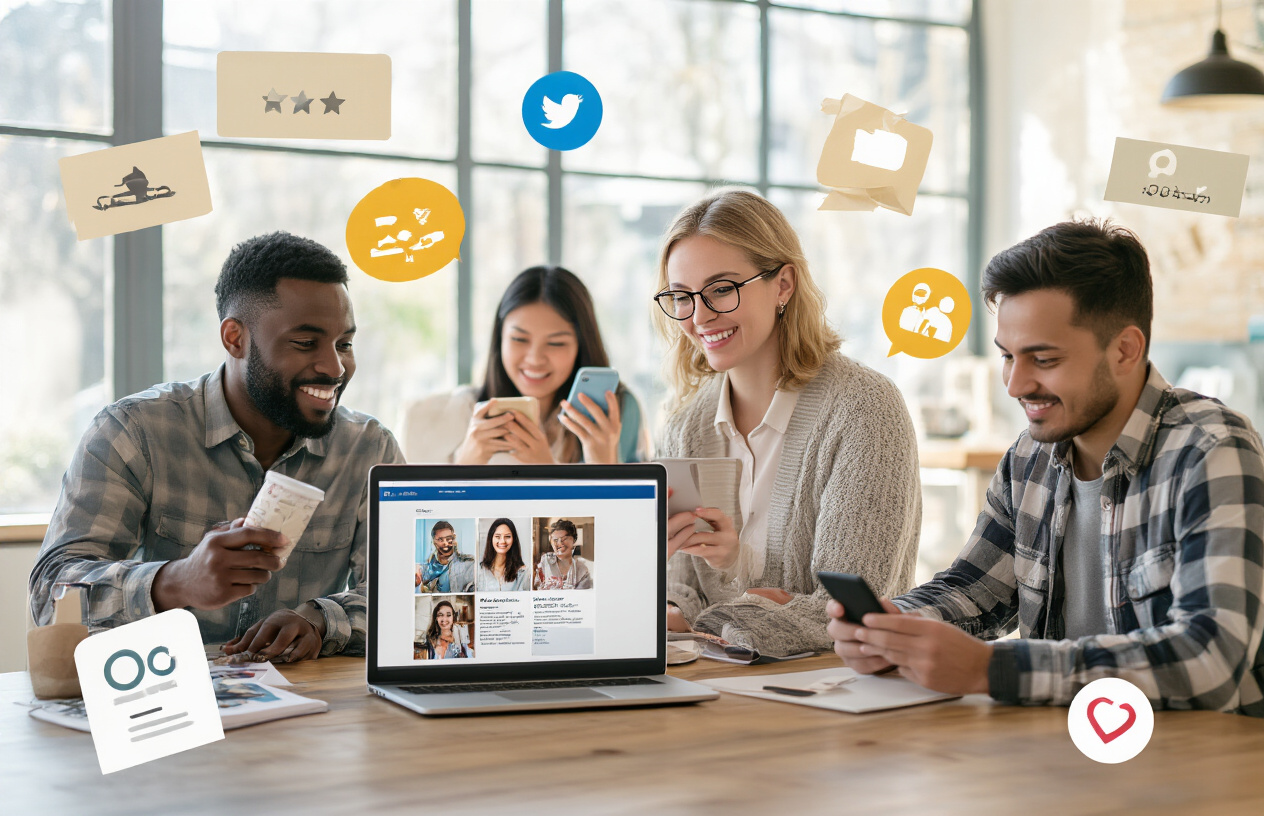
Encouraging Customer Participation Through Hashtag Campaigns
Hashtag campaigns represent one of the most cost-effective strategies for small businesses to generate authentic content at scale. By creating branded hashtags that align with your business objectives, you can transform your customers into content creators who showcase your products organically. The key is making participation easy and rewarding for your audience.
Start by establishing clear goals for your hashtag campaign. Are you looking to increase brand awareness, drive engagement, or boost sales? Your objectives will dictate the campaign structure and the metrics you’ll track. Create shareable experiences that naturally encourage customers to document their interactions with your brand, whether through unboxing videos, product demonstrations, or lifestyle shots featuring your offerings.
Monitor social media channels for organic mentions and engage actively with participants. Most consumers are genuinely excited when brands acknowledge their content, often sharing this recognition with their own networks, amplifying your reach organically. This approach requires minimal financial investment while building a strong brand community around authentic customer experiences.
Showcasing Customer Testimonials and Success Stories
Customer testimonials and success stories serve as powerful social proof that validates your brand’s promise in a way that traditional advertising cannot achieve. These authentic endorsements build trust with prospective customers who are increasingly skeptical of polished marketing campaigns and crave genuine connections with brands.
Reviews and ratings are particularly influential in purchasing decisions, as today’s consumers trust peer recommendations more than brand-created content. According to research, 79% of shoppers report that user-generated content highly impacts their purchasing decisions, while 80% are more likely to purchase products online when websites feature photos and videos from real customers.
Implement a systematic approach to collecting and curating customer stories. Establish a centralized system to discover, organize, and manage permissions for customer content. Always ask for permission before sharing testimonials and properly credit original creators to protect your business legally while strengthening community relationships. Feature these testimonials strategically across your digital properties – on product pages, in email campaigns, and across social media platforms to provide compelling social proof at critical decision points in the customer journey.
Running Photo Contests and Customer Spotlights
Photo contests and customer spotlights offer structured approaches to generate high-quality visual content while celebrating your community. These initiatives transform customers from passive buyers into active brand advocates, deepening engagement and fostering loyalty that directly increases customer lifetime value.
Design contests around specific themes that align with your brand values and encourage authentic product usage. Whether it’s showcasing creative applications of your product or celebrating customer achievements, these campaigns create opportunities for meaningful brand interactions. Customer spotlights, on the other hand, allow you to regularly feature individual customers, making them feel valued and seen while providing fresh content for your marketing channels.
Visual content from these initiatives can be quickly repurposed for high-impact social media posts, email campaigns, and website galleries. Video submissions, such as product demonstrations or customer stories, are particularly compelling as they show potential buyers how products are used and enjoyed in real-world contexts. This type of authentic content cuts through marketing noise because it’s perceived as genuine and unbiased, building brand equity and strengthening your market position without significant budget requirements.
Strategic Partnerships and Collaborations for Expanded Reach

Partnering with Complementary Non-Competitive Brands
Building strategic partnerships with complementary brands represents one of the most cost-effective approaches to expanding your social media reach without direct competition. These collaborations work best when businesses share similar target audiences but offer different products or services that naturally complement each other.
When selecting partnership opportunities, focus on brands that align with your values and aesthetic. The key is ensuring that both audiences would genuinely benefit from discovering the other brand. For example, a local coffee shop might partner with a bookstore, or a fitness apparel brand could collaborate with a nutrition company.
Cross-promotional strategies can include joint giveaways, shared content creation, or coordinated campaigns around seasonal events or causes. These partnerships allow both businesses to tap into new audiences while sharing the workload and costs of content creation. The most successful brand partnerships involve open communication about expectations, deliverables, and mutual benefits to ensure everyone feels supported throughout the collaboration.
Working with Micro-Influencers for Authentic Endorsements
Previously, I’ve emphasized the importance of authentic connections, and micro-influencers perfectly embody this principle for small business social media marketing on a budget. These content creators, typically having between 10,000 and 100,000 followers, offer exceptional value for budget-conscious businesses.
The power of micro-influencers lies in their engagement rates rather than follower counts. An influencer with 10,000 followers and a 20% engagement rate reaches approximately 2,000 active people, compared to an influencer with 100,000 followers and only 1% engagement reaching just 1,000 engaged users. This makes micro-influencers significantly more cost-effective for small businesses.
When approaching micro-influencers, transparency about budget limitations often works in your favor. Many successful collaborations begin with product exchanges rather than monetary compensation. Small business owners can offer free products, affiliate commissions, or even small equity stakes in exchange for authentic endorsements.
The selection process should prioritize engagement rates over follower size. Look for influencers with at least 5% overall engagement and ensure their content aligns with your brand values. Avoid influencers who appear oversaturated with brand deals, as your message may get lost among numerous other collaborations.
Cross-Promotion Strategies and Social Media Takeovers
Now that we have covered individual partnerships, cross-promotion strategies and social media takeovers represent the next level of collaborative marketing. These tactics maximize the impact of your partnerships while creating engaging content that benefits all parties involved.
Social media takeovers work particularly well when planned strategically around product launches, events, or seasonal campaigns. During a takeover, a partner brand or influencer creates content directly on your social media channels, bringing their unique perspective and audience to your platform. This approach provides fresh content while introducing your brand to new potential customers.
The most effective cross-promotion strategies involve creating deeper relationships with a smaller group of partners rather than spreading efforts across hundreds of collaborations. Focus on building long-term partnerships with 20 to 50 influencers or complementary brands who can become genuine advocates for your business.
Successful cross-promotion requires ongoing engagement beyond the initial collaboration. This means liking, commenting, and reposting partner content, which demonstrates appreciation while providing valuable content for your own channels. Remember, you’re all interested in similar topics, so promoting your partners to your audience creates a mutually beneficial ecosystem that strengthens all involved brands.
Establishing Authority Through Educational Content Marketing

Creating How-To Guides and Industry Tutorials
When developing a small business social media strategy on a budget, educational how-to guides and industry tutorials serve as powerful tools to establish your brand as a knowledgeable authority. These content types focus on teaching your audience before attempting to sell them something, which builds trust and positions your business as a valuable resource.
How-to content addresses the challenges your customers face daily. By creating step-by-step guides that solve specific problems within your industry, you’re providing immediate value that keeps audiences engaged. For small businesses operating on tight budgets, this approach is particularly effective because it targets consumers throughout their entire customer journey without requiring expensive promotional campaigns.
The key to successful tutorial content lies in breaking down complicated concepts into digestible, easy-to-understand language. Whether you’re explaining industry best practices, demonstrating product usage, or sharing insider knowledge, your tutorials should be accessible to both beginners and more experienced audiences. This broader appeal helps capture a larger audience without additional marketing spend.
Industry tutorials perform exceptionally well across various social media platforms because they’re inherently shareable. When you create content that users feel something about – whether it’s relief from solving a problem or excitement from learning something new – it naturally encourages customer interaction and increases the shareability of your content.
Developing Shareable Infographics and Visual Content
Visual content, particularly infographics, represents one of the most cost-effective ways to make complex information accessible and shareable across social media platforms. For small businesses managing limited marketing budgets, infographics offer exceptional value by transforming dense information into engaging, digestible visual formats.
Infographics excel at simplifying complicated narratives through data-driven perspectives, using charts, graphs, maps, and illustrations to convey information that might otherwise require lengthy explanations. This visual approach makes your educational content more appealing to social media users who typically scroll quickly through their feeds, stopping only for content that immediately captures their attention.
The shareability factor of well-designed infographics significantly amplifies your organic reach without additional advertising spend. When you create infographics that address common industry questions or present valuable insights, your audience naturally wants to share this information with their networks, effectively turning your followers into brand ambassadors.
For small businesses, infographics also serve multiple purposes across different content formats. A single infographic can be repurposed for blog posts, social media content, email newsletters, and even printed materials for offline marketing efforts. This versatility maximizes your content creation investment while maintaining consistent messaging across all marketing channels.
High-quality visual content helps establish credibility and professionalism, essential factors for small businesses competing against larger, more established companies. When your infographics maintain consistent branding and provide genuine value, they contribute to building trust with your target audience over time.
Hosting Free Webinars and Interactive Workshops
Free webinars and interactive workshops represent powerful educational content marketing strategies that help small businesses build authority while generating leads without significant advertising costs. These live or recorded sessions create direct engagement opportunities with your audience, fostering stronger relationships than traditional static content.
Webinars are particularly effective for lead generation while educating audiences about industry trends, challenges, and solutions. By leveraging thought leaders, customers, or internal expertise to discuss topics relevant to your target audience’s industry, you create valuable content that addresses real pain points and establishes your business as a trusted resource.
The interactive nature of workshops and webinars allows for real-time feedback and engagement, helping you better understand your audience’s needs and concerns. This direct communication builds customer trust and provides insights that can inform future content creation and business decisions. Nearly 70% of decision-makers value thought leadership content, making educational webinars an effective way to demonstrate expertise.
For small businesses operating on tight budgets, webinars offer exceptional ROI because they can be recorded once and repurposed multiple times across different platforms. A single webinar can generate content for social media posts, blog articles, email campaigns, and follow-up educational materials, maximizing the value of your initial time investment.
The educational focus of webinars aligns perfectly with modern buyer behavior, where consumers prefer to educate themselves before making purchase decisions. By providing free, valuable education through webinars, you’re positioning your business to capture leads at various stages of the marketing funnel while building long-term customer relationships.
Smart Paid Advertising Strategies on a Limited Budget

Starting Small with Highly Targeted Local Campaigns
Previously, we’ve explored organic growth strategies that require minimal investment. Now that we have covered free tools and community engagement, it’s time to examine how small businesses can leverage paid advertising effectively on a limited budget. The key to successful budget-friendly social media marketing lies in starting with highly focused, local campaigns that maximize every dollar spent.
When allocating your small business social media strategies budget for paid advertising, begin with micro-targeted local campaigns rather than broad, expensive initiatives. According to industry data, the average Facebook ad cost per click hovers around $0.60, making it accessible for businesses with modest advertising budgets. However, the real value comes from precise targeting that ensures your ads reach the most relevant audience.
Local targeting offers several advantages for small businesses operating on tight budgets. You can focus your advertising spend on specific geographic areas where your potential customers are located, reducing wasted impressions on audiences outside your service area. This approach is particularly effective for brick-and-mortar businesses, service providers, and companies with regional offerings.
Start with a daily budget as low as $5-10 per platform to test different audience segments and ad formats. Facebook and Instagram allow you to target users within specific mile radiuses of your business location, while also layering demographic and interest-based targeting for maximum precision. This granular approach helps stretch your small business marketing on a budget further while generating meaningful results.
Using Retargeting Ads for Website Visitors
With this foundation in mind, next, we’ll explore one of the most cost-effective paid advertising strategies available to small businesses: retargeting ads. Retargeting represents exceptional value for money because you’re advertising to people who have already shown interest in your business by visiting your website.
Affordable social media tactics like retargeting typically deliver higher conversion rates compared to cold audience advertising. According to marketing data, retargeting ads can be significantly more cost-effective since they target warm prospects who are already familiar with your brand. This familiarity translates to better engagement rates and higher likelihood of conversion.
Setting up retargeting campaigns requires installing tracking pixels on your website, which most social media platforms provide for free. These pixels collect data about your website visitors, allowing you to create custom audiences for your ads. You can segment these audiences based on specific pages visited, time spent on site, or actions taken, enabling highly personalized messaging.
For small businesses with limited advertising budgets, retargeting offers the best social media ROI for small business because you’re not paying to educate completely new audiences about your brand. Instead, you’re nurturing existing interest and guiding potential customers through your sales funnel. Start with a simple retargeting campaign focused on visitors who viewed your most popular products or services but didn’t make a purchase.
Testing and Refining Ad Performance Over Time
Now that we have established the foundation for targeted local campaigns and retargeting, the next crucial step involves systematic testing and optimization. Low-cost social media advertising success depends heavily on continuous refinement rather than setting campaigns and forgetting them.
Implement A/B testing strategies to optimize your ad performance without increasing your budget. Test different elements systematically: headlines, images, call-to-action buttons, and audience segments. Run small tests with portions of your budget to identify winning combinations before scaling successful campaigns. This methodical approach prevents wasting money on underperforming ads while maximizing the impact of your small business digital marketing budget.
Social media platforms provide comprehensive analytics tools that reveal which ads generate the best results. Monitor key metrics including cost per click, conversion rates, and return on ad spend (ROAS). For small businesses, focus on metrics directly tied to revenue generation rather than vanity metrics like impressions or reach.
Establish a regular review schedule—weekly for active campaigns and monthly for overall strategy assessment. During these reviews, pause underperforming ads and reallocate budget to successful campaigns. This ongoing optimization ensures your limited advertising budget consistently delivers maximum value.
Consider seasonal adjustments and audience behavior patterns when refining your campaigns. What works during holiday shopping seasons may differ from summer months or back-to-school periods. By maintaining detailed performance records, you can predict and prepare for these fluctuations, making your social media marketing budget work harder throughout the year.
Measuring Success and Optimizing Performance

Using Free Platform Analytics to Track Key Metrics
Every major social media platform offers built-in analytics that provide valuable insights into your content performance without any additional cost. Facebook Insights updates once daily and offers hundreds of post- and page-level metrics, allowing you to learn the best times to post based on your followers’ behavior. Instagram analytics track the performance of Reels, feed posts, and Stories with updates every 48 hours, though it may take up to 64 hours to see the latest data.
Twitter analytics simplify reporting by tracking hundreds of metrics and monitoring mentions, helping you identify top-performing tweets and optimal posting times. TikTok analytics reveal the best times to post for maximum viral potential and show where your views originate. LinkedIn analytics provide insights for both organic posts and paid ads, while Pinterest analytics help prove ROI by tracking website visits and revenue generated by your Pins.
Focus on tracking key social media metrics that directly impact your small business social media strategies, including reach, engagement rate, impressions, likes, shares, clicks, saves, comments, video views, new followers, profile visits, and website clicks. These metrics help you identify which types of content resonate with your audience and determine where to allocate your budget-friendly social media marketing efforts for maximum social media ROI for small business.
Monitoring Brand Mentions and Social Listening
Now that we’ve covered platform analytics, monitoring what people say about your brand across social media becomes crucial for maintaining your reputation and identifying opportunities. Quick Search functionality allows you to track brand mentions and gauge sentiment about your business without investing in expensive monitoring tools.
Social listening helps you understand how your audience perceives your brand and products, enabling you to respond quickly to customer feedback and address potential issues before they escalate. This proactive approach to monitoring brand mentions supports your organic social media growth by building stronger relationships with your community and demonstrating your commitment to customer service.
Use platform search features to track mentions of your business name, products, and relevant industry keywords. This affordable social media tactic provides valuable insights into customer sentiment and helps you identify potential brand advocates or influencers within your audience who could amplify your message organically.
Conducting Competitive Analysis for Market Insights
With this foundation of analytics and monitoring in place, competitive analysis becomes an essential component of your small business marketing on a budget strategy. Social media competitive benchmarking allows you to track up to 20 competitors across various platforms, providing insights into their posting frequency, average engagement, follower growth, and content strategies.
Track competitor posts within selected date ranges to identify patterns in their content that generate high engagement. Analyze their posting frequency, audience growth rates, and estimated engagement levels to benchmark your performance against industry standards. This data helps you discover new content ideas, optimal posting schedules, and topics that resonate with your shared target audience.
Competitive analysis doesn’t make you nosy—it makes you strategic. Use these insights to identify gaps in the market where your small business can differentiate itself. Learn from successful competitor campaigns while developing your unique voice and value proposition. This intelligence helps you make informed decisions about where to focus your low-cost social media advertising efforts and which free social media tools will give you the greatest competitive advantage.
By leveraging these analytical insights, you can refine your small business digital marketing budget allocation and optimize your content strategy for better results without increasing your investment.

Social media marketing doesn’t have to drain your small business budget to deliver meaningful results. By focusing on strategic planning, choosing the right platforms for your audience, and leveraging free tools and organic growth strategies, you can build a strong online presence that competes with larger competitors. The key lies in consistency, authentic engagement, and creating valuable content that resonates with your community rather than simply chasing follower counts or expensive advertising campaigns.
Success in budget-friendly social media marketing comes down to working smarter, not harder. Whether you’re utilizing user-generated content, forming strategic partnerships, or educating your audience through valuable content, every effort should align with clear goals and measurable outcomes. Remember that social media is the great equalizer for small businesses – your authentic voice and genuine customer relationships can be far more powerful than any big-budget campaign. Start implementing these cost-effective strategies today, and watch your small business thrive in the digital landscape without breaking the bank.