Your credit score plays a huge role in getting loans approved and securing better interest rates in India. If you’ve been wondering how to improve your credit score in India, you’re not alone – millions of Indians are working to boost their credit ratings for better financial opportunities.
This comprehensive guide is for anyone looking to increase their credit score, whether you’re a first-time borrower building credit history, someone recovering from past financial mistakes, or simply wanting to optimise your existing good score for premium lending rates.
We’ll walk you through the most effective credit score improvement tips, starting with understanding your current credit report India status and identifying what’s holding your score back. You’ll learn how to master your payment history credit score impact – the single biggest factor lenders look at. We’ll also show you how to optimise your credit utilisation ratio, the sweet spot that can quickly boost your CIBIL score improvement when done right.
By the end of this credit score guide for India, you’ll have a clear action plan to repair and enhance your credit profile using proven strategies that work in the Indian financial system.
Understanding Your Credit Score and Report

Check Your CIBIL Report to Identify Root Causes
To improve your credit score in India effectively, you must first understand your current credit standing by obtaining your CIBIL report. You’re entitled to one free CIBIL score and report every calendar year as per RBI guidelines, which provides a comprehensive view of your credit health.
Your CIBIL report contains five crucial components that reveal the root causes of your credit score. First, your latest CIBIL score, a 3-digit numeric summary of your credit history, ranges between 300 and 900. Second, a detailed summary of your credit payment history gathered from information provided by lenders.
Third, personal information such as your name, date of birth, and gender is linked to your loan and credit cards. Fourth, a complete list of all enquiries made by lenders for your loan and credit card applications over the last 36 months. Finally, comprehensive details of all your active and inactive loan and credit card accounts.
Your CIBIL score is calculated using four primary factors: payment history, credit utilisation, age of credit, and inquiries. Payment history demonstrates how consistently you’ve made payments on time and in full. Credit utilisation refers to the amount of available credit you’re using, where higher utilisation suggests overextension. The length of time you’ve held credit accounts shows lenders your track record of managing credit responsibly. Frequent credit applications in short periods can negatively impact your score.
Common Reasons for Low Credit Scores
Understanding the common factors that lead to poor credit scores is essential for credit score improvement tips. Late payments, missed payments, and delinquencies are the primary culprits that negatively impact your CIBIL score.
Your payment history is the most significant factor in determining creditworthiness, making timely payments crucial for maintaining a healthy credit profile.
High credit utilisation is another major reason for low scores. When you use a large portion of your available credit, it suggests to lenders that you may be overextended financially, making you appear as a credit risk. This directly affects how to increase credit score, as maintaining low credit utilisation is fundamental to score improvement.
Multiple loan applications within a short timeframe create numerous hard inquiries on your credit report in India. While individual inquiries have a marginal impact, frequent applications signal desperation for credit to lenders, potentially lowering your score.
Additionally, having a short credit history provides insufficient data for lenders to assess your creditworthiness effectively.
Errors and inaccuracies in your credit report can also contribute to lower scores. Fraudulent activities, incorrect personal information, or misreported payment histories can significantly impact your credit rating. Since CIBIL cannot delete or change records on its own and simply collects information from member banks and financial institutions, identifying these errors becomes crucial for credit score repair in India.
Regular Credit Score Monitoring Benefits
Regular monitoring of your credit score provides numerous advantages for maintaining optimal credit health. It’s recommended to check your CIBIL score at least once every month to stay informed about your credit status and spot any errors or potential fraud and identity theft early.
Consistent monitoring allows you to assess your credit health proactively and identify areas requiring improvement. When you track your score regularly, you can observe how your financial behaviours impact your creditworthiness, enabling you to make informed decisions about credit utilisation ratio management and payment timing.
One significant benefit is early detection of inaccuracies or fraudulent activities. If you notice errors in your CIBIL report, you can initiate the dispute resolution process promptly. CIBIL registers disputes and assists in reaching out to respective banks and financial institutions to resolve inaccurate data. Alternatively, you can contact the bank or financial institution directly through their principal nodal officer (PNO), who oversees the complaints management process.
Regular monitoring also helps you boost your credit rating by understanding the impact of your financial decisions in real-time. Studies show that 46% of self-monitoring consumers improved their credit scores within 6 months, demonstrating the effectiveness of consistent tracking.
Importantly, checking your own CIBIL score doesn’t impact it negatively, contrary to common misconceptions. This allows you to monitor your progress without fear of damaging your score, making regular checks a risk-free strategy for maintaining excellent credit health and staying credit-ready for future financial opportunities.
Master Your Payment History for Maximum Impact

Clear All Overdue EMIs and Credit Card Dues Immediately
Your payment history is the most critical factor determining your credit score improvement in India. Any unpaid bills reflect directly on your payment history, which can significantly impact your final score for years to come. If you have overdue EMIs or credit card dues, clearing them should be your top priority.
When you haven’t paid your outstanding credit card bills for over 180 days, lenders will write off the amount and report it to credit agencies like CIBIL, which severely damages your credit rating. Understanding the Days Past Due (DPD) classification system is crucial – if you haven’t paid unsettled bills for over 90 days, your account gets classified as “Sub-Standard,” bringing down your credit score considerably. Accounts remaining “Sub-Standard” for 12 months or more get classified as “Doubtful,” causing further score deterioration.
Serial defaulters face the harshest consequences, with negative marks reflecting on their credit reports for at least 7 years. In cases of major financial issues like bankruptcy, the negative impact can last up to 10 years. This is why immediate action on overdue payments is essential for credit score repair in India.
Set Up Auto-Debit Instructions and Payment Reminders
Now that we understand the severity of late payments, implementing systematic payment management becomes crucial. Setting up auto-debit instructions ensures you never miss payment due dates, which is fundamental for maintaining a clean payment history.
Auto-debit facilities work effectively for both credit cards and loan EMIs, automatically deducting the required amount on scheduled dates. However, ensure sufficient funds in your linked account to avoid auto-debit failures, which can also negatively impact your payment history credit score.
Monthly payment reminders serve as an additional safety net. You can set these through your banking apps, calendar notifications, or even simple phone alarms. This dual approach of automation and manual tracking significantly reduces the risk of missed payments that could hurt your CIBIL score improvement efforts.
Remember that timely payments made much before the due date create an excellent payment history, positively boosting your credit rating over time.
Always Pay Minimum Due When Full Payment Isn’t Possible
When facing financial constraints, paying at least the minimum due amount on credit cards prevents your account from being marked as defaulted. While this strategy doesn’t eliminate interest charges, it protects your payment history from negative entries that could damage your credit score.
If you know you’ll make late payments, proactively communicate with your creditor about your financial situation. Provide a specific timeline for full payment and consider making partial payments if your lender permits. Taking responsibility for your situation demonstrates financial maturity and may work in your favour.
This approach helps maintain some credibility with lenders while you work through temporary financial difficulties, ensuring your long-term credit score improvement goals remain intact.
Optimise Your Credit Utilisation Ratio

Keep Credit Usage Below 30% of Available Limit.
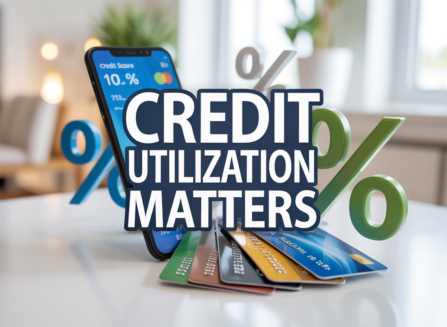
Your credit utilisation ratio is the foundation of improving your credit score in India and accounts for approximately 30% of your CIBIL score calculation. This ratio represents the percentage of your available credit that you’re currently using across all your credit cards. To calculate it, divide your total outstanding balances by your total credit limits and multiply by 100.
For example, if you have a credit card with a ₹1,00,000 limit and you’ve spent ₹30,000, your utilisation ratio would be 30%. When you have multiple cards, add up all outstanding balances and divide by the sum of all credit limits to get your overall ratio.
Maintaining a utilisation ratio below 30% is crucial for credit score improvement tips, but for an excellent CIBIL score, experts recommend keeping it even lower at 10-20%. Lenders view lower ratios as signs of responsible credit management, indicating you’re not overly dependent on borrowed money and can manage finances effectively.
To maintain this optimal ratio:
- Make multiple payments throughout the month rather than waiting for the due date
- Pay your entire outstanding balance before the statement generation
- Spread larger purchases across multiple cards instead of maxing out one card
- Avoid reaching or nearly reaching your credit limit on any card
Meet Priya from Chennai, who successfully managed her ratio by paying ₹15,000 halfway through the month on her ₹20,000 balance, bringing her reported utilisation down to just 10% when her statement was generated.
Request Credit Limit Increases Without Using Additional Credit
Now that we understand the importance of keeping utilisation low, increasing your total available credit is another strategic approach to boost your credit rating. If you’ve been a responsible credit card user with consistent on-time payments, your bank may be willing to increase your credit limit.
You can request limit increases directly through your bank’s online portal or by contacting customer service. The key advantage here is mathematical – if your spending remains constant but your credit limit increases, your utilisation ratio automatically decreases.
However, discipline is absolutely critical when implementing this strategy. The increased limit should not be viewed as an invitation to spend more. The goal is to make your existing balance represent a smaller percentage of your new, higher total credit limit.
Benefits of credit limit increases:
- Instantly lowers your credit utilisation ratio
- Provides an emergency financial cushion
- Demonstrates bank confidence in your creditworthiness
- No additional spending is required to see improvement
Important considerations:
- Only pursue increases if you’re confident in your spending discipline
- Avoid the temptation to use additional available credit
- Monitor your ratio regularly after the increase
- Ensure you can maintain the same payment habits
This strategy works particularly well for borrowers who have established positive payment histories and want to see immediate improvements in their credit score, guided by India metrics.
Avoid High-Ticket Purchases on Credit Cards Temporarily
With this understanding of utilisation management, temporarily avoiding large purchases on credit cards becomes a strategic necessity when working to increase your credit score. High-ticket purchases can dramatically spike your utilisation ratio, even if you plan to pay them off quickly.
Large purchases that push your balance close to or above the 30% threshold can negatively impact your CIBIL score improvement efforts. This is because credit bureaus typically report your balance at the statement generation date, not your payment date. Even if you pay off the purchase immediately after, the high utilisation may already be reported.
Strategic alternatives for large purchases:
| Purchase Method | Impact on Credit Score | Best Use Case |
|---|---|---|
| Cash/Debit Card | No impact on utilization | When you have sufficient funds |
| Personal Loan | Lower interest rates | Major purchases like electronics |
| EMI Options | Spreads cost over time | Planned purchases with fixed income |
| Multiple Cards | Distributes utilization | When credit cards are necessary |
Timing considerations:
- Plan major purchases after statement generation dates
- Make payments before statement closure if purchases are necessary
- Consider using different payment methods during credit repair periods
- Monitor your ratio weekly during active improvement phases
Remember, this temporary restriction on high-ticket credit card purchases is an investment in your long-term financial health. Once your credit score improves and stabilises above 750, you’ll have access to better interest rates and more favourable lending terms, making the temporary inconvenience worthwhile for your overall credit score repair journey in India.
Manage Credit Applications Strategically

Limit Multiple Hard Inquiries Within Short Time Periods
Hard inquiries occur when financial institutions review your credit report to evaluate credit applications for loans, credit cards, or mortgages. Each hard inquiry typically results in a small decrease in your credit score and remains visible on your credit report for up to two years.
When you submit numerous loan applications within a short span of time, it signals heightened dependency on credit and may imply financial distress to lenders.
Multiple inquiries can cumulatively have a serious and prolonged impact on your credit score improvement efforts. While a single hard inquiry might lower your score by only a few points, applying for several loans or credit cards in quick succession creates a cluster of hard inquiries that makes securing new credit significantly more difficult. Lenders view this pattern as a potential sign of financial stress, often resulting in less favourable terms or higher interest rates.
Timing plays a pivotal role in how credit inquiries affect your CIBIL score improvement journey. Being strategic about the frequency and timing of your applications helps preserve your creditworthiness and supports your efforts to improve credit score India.
Use Soft-Enquiry Platforms to Compare Offers Before Applying
Understanding the difference between hard and soft inquiries is crucial for maintaining a healthy credit report India. Soft inquiries occur when you check your own credit score or when companies review your credit for pre-approved offers. Importantly, soft inquiries do not negatively affect your credit score, making them an excellent tool for research purposes.
Before submitting formal applications, utilise soft-enquiry platforms to compare loan offers and credit card terms. This approach allows you to evaluate multiple options without triggering hard inquiries that could impact your score. Many financial platforms now offer soft credit checks that provide preliminary approval odds and terms without affecting your credit profile.
This strategy is particularly valuable when you’re working to boost credit rating and want to avoid unnecessary score reductions. By researching options through soft inquiries first, you can make informed decisions about which applications are most likely to succeed before committing to hard inquiries.
Apply Only When You Meet Eligibility Criteria
Not all credit applications result in hard inquiries, but most formal applications do. To maximise your credit score repair India efforts, thoroughly research eligibility criteria before applying for any credit product. Review income requirements, credit score thresholds, employment history needs, and other qualification factors.
Applying only when you clearly meet all eligibility requirements reduces the likelihood of rejection and minimises unnecessary hard inquiries on your report. This strategic approach prevents the accumulation of multiple inquiries that could signal financial stress to future lenders.
Focus on maintaining responsible financial practices to offset any temporary score decreases from necessary applications. The adverse effects of hard inquiries are typically temporary, and your score can recover through consistent payment history and low credit utilisation.
By being selective and strategic with your applications, you support your overall credit score guide India objectives while maintaining access to quality credit products when needed.
Fix Errors and Inaccuracies in Your Credit Report

Review Credit Reports Every Few Months for Discrepancies
Regular monitoring of your credit report is crucial for maintaining a healthy credit profile and ensuring accuracy in your financial records. Credit reports from bureaus like CIBIL, Experian, and Equifax can contain various types of errors that may negatively impact your credit score if left uncorrected.
Common discrepancies you should watch for include:
- Incorrect Personal Details: Spelling errors or outdated information in your name, address, or contact number
- Wrong Account Information: Loans or credit cards that don’t belong to you appear in your report
- Payment or Balance Errors: Missed or late payments recorded despite clearing bills on time, or incorrect outstanding balances
- Closed Accounts Shown as Active: Credit cards or completely paid off loans still appear as open or active
- Duplicate Accounts: Same loan or credit card entry appearing more than once
Set a calendar reminder to review your credit reports every three to four months. This frequency allows you to catch errors before they significantly impact your credit score and provides enough time for corrections to be processed between reviews.
Raise Disputes Online with Supporting Documentation
When you identify inaccuracies in your credit report, the next step is to raise a formal dispute through the online portal of your credit bureau. For CIBIL disputes, registered members can directly access their dispute resolution process through their myCIBIL account.
For CIBIL Disputes:
To raise a CIBIL dispute online, follow this process:
- Log in to your myCIBIL account
- Navigate to the Credit Report section and click on ‘Dispute an Item’ under the Dispute Centre tab
- Complete the online CIBIL dispute form and select the specific section(s) you wish to dispute
- Enter the corrected value for the disputed section and complete the dispute submission after validation
Alternative Dispute Methods:
If online access isn’t available, you can also raise disputes through:
- Phone: Call the consumer helpline at +91-22-6140 4300 between 10 a.m. to 6 p.m., Monday to Saturday
- Email: Send details to CIBILinfo@transunion.com, including your name, gender, date of birth, address, contact number, and identifier details (PAN, driving license, voter ID)
- Physical Visit: Visit TransUnion CIBIL Limited office at One World Centre, Tower 2A, 19th Floor, Senapati Bapat Marg, Elphinstone Road, Mumbai – 400 013, between 10 a.m. and 6 p.m., Monday to Friday
When raising any dispute, ensure you provide comprehensive supporting documentation to strengthen your case and expedite the resolution process.
Follow Up Until Corrections Are Reflected
After submitting your dispute, the credit bureau initiates a structured investigation process. Understanding this timeline helps you track progress effectively and know when to follow up.
The Dispute Resolution Timeline:
- Initial Marking: Disputed fields are marked as ‘Under Dispute’ in your credit report (indicated by red bands in CIBIL reports)
- Investigation Phase: The relevant bank or financial institution is contacted by the credit bureau
- Institution Review: The bank reviews and either accepts or rejects the dispute
- Resolution: Corrections are made if the dispute is accepted, and the ‘Under Dispute’ mark is removed
Tracking Your Dispute Status:
- Online Tracking: Log in to your myCIBIL account and check the ‘Dispute Status’ section
- Email Notifications: Credit bureaus send regular email updates regarding dispute progress
- SMS Alerts: You’ll receive SMS confirmation once the dispute is resolved
- Phone Follow-up: Call the helpline using your unique dispute ID for status updates
Important Timeline Considerations:
- The standard turnaround time for CIBIL dispute resolution is 30 working days
- After resolution, it takes up to 7 working days for changes to appear in your updated credit report
- If unsatisfied with the resolution, you can raise a new dispute request with additional details
Escalation Options:
If your complaint isn’t addressed within 30 days, you have additional recourse through the Reserve Bank of India’s Integrated Ombudsman Scheme 2021:
- Online Portal: File complaints at https://cms.rbi.org.in
- Physical Address: Send complaints to Centralised Receipt and Processing Centre, Reserve Bank of India, 4th Floor, Sector 17, Chandigarh – 160017
- Toll-free Helpline: Call 14448 (9:30 am to 5:15 pm) for guidance in Hindi, English, and eight regional languages
Remember that persistence is key – continue following up until you see the corrections reflected in your credit report, as these changes directly impact your credit score and future loan approvals.
Build and Maintain Your Credit History

Keep Older Credit Cards Active for Longer Credit History
Previously, we’ve covered the immediate steps to improve your credit score in India. Now that we understand the foundation, let’s explore how to build and maintain your credit history for long-term success.
Maintaining older credit cards is crucial for building a strong credit profile. The age of your credit accounts significantly impacts your CIBIL score improvement, with lenders preferring borrowers who demonstrate long-term financial responsibility.
When you keep your first credit card active, you’re essentially preserving the foundation of your credit journey. Even if you’ve received better cards with superior benefits, resist the urge to close your initial card completely. Instead, use it occasionally for small purchases and ensure timely payments to keep it active in your credit report.
The strongest borrowers aren’t those who borrow the most, but those who borrow the smartest. Your oldest credit card serves as proof of your longest financial relationship, showing potential lenders that you can maintain responsible credit behaviour over extended periods.
Use Secured Credit Cards Against FDs to Build Credit
With this in mind, next we’ll explore one of the most effective methods for building credit history: secured credit cards backed by fixed deposits.
FD-based credit cards offer multiple advantages for credit score improvement tips. You earn interest on your fixed deposit while simultaneously earning cashback on your spending. This dual benefit makes secured cards an exceptional tool for building credit relationships with banks.
These cards are particularly valuable because they help you build a banking relationship that could later result in easy approval for unsecured cards. Banks view customers with FD-backed cards as lower-risk borrowers, making future credit applications more likely to succeed.
The customizable credit limit feature allows you to deposit a larger sum and use it normally, making it easier to stay under the 30% utilization threshold. This strategic approach can push your score even higher while maintaining complete control over your spending capacity.
Most importantly, as long as you clear your bills on time, you won’t pay any interest charges while building your credit history. Nothing better exists for new borrowers looking to establish their credit footprint.
Maintain a Healthy Mix of Secured and Unsecured Credit
Now that we have covered secured credit cards, let’s examine how different types of credit products work together to boost a credit rating.
After six to twelve months of clean credit card history, consider diversifying your credit profile with different types of credit. Taking a small personal loan or consumer durable loan—only if you genuinely need it—demonstrates your ability to handle various forms of credit responsibly.
A small laptop EMI or a well-timed personal loan that you repay early helps create a diversified credit profile that lenders prefer. However, the purpose should always be a genuine need, not borrowing just for the sake of building credit.
When mixing credit types, remember that Flipkart Pay Later and similar consumer loans appear differently on your CIBIL report compared to traditional credit cards. While consumer loans can help build credit, having only these products might make it harder to obtain new credit cards, even with a good score.
The key is maintaining simple behaviours that create a strong credit footprint: pay every bill on time, keep utilisation low, avoid unnecessary debt, and never roll over card balances. Within 12-18 months of following this approach, you’ll see your score cross into the healthy range, making future loans—home, car, education—cheaper and easier to access.

Improving your credit score requires patience, discipline, and consistent effort across multiple fronts. By understanding your credit report, maintaining timely payments, keeping your credit utilisation below 30%, managing credit applications strategically, and fixing any errors, you can significantly enhance your creditworthiness over time. Building and maintaining a strong credit history through responsible use of older credit cards and a balanced credit mix will further strengthen your financial profile.
Remember that credit score improvement is not an overnight process – it typically takes several months of consistent good practices to see meaningful changes. Start by checking your credit report to identify specific areas that need attention, then focus on the strategies that will have the biggest impact on your situation.
With dedication to these proven methods, you’ll be well on your way to achieving a higher credit score that opens doors to better loan terms, lower interest rates, and greater financial opportunities in 2026 and beyond.