How much should I have in an emergency fund?

Please briefly explain why you feel this question should be reported.
Please briefly explain why you feel this answer should be reported.
Please briefly explain why you feel this user should be reported.
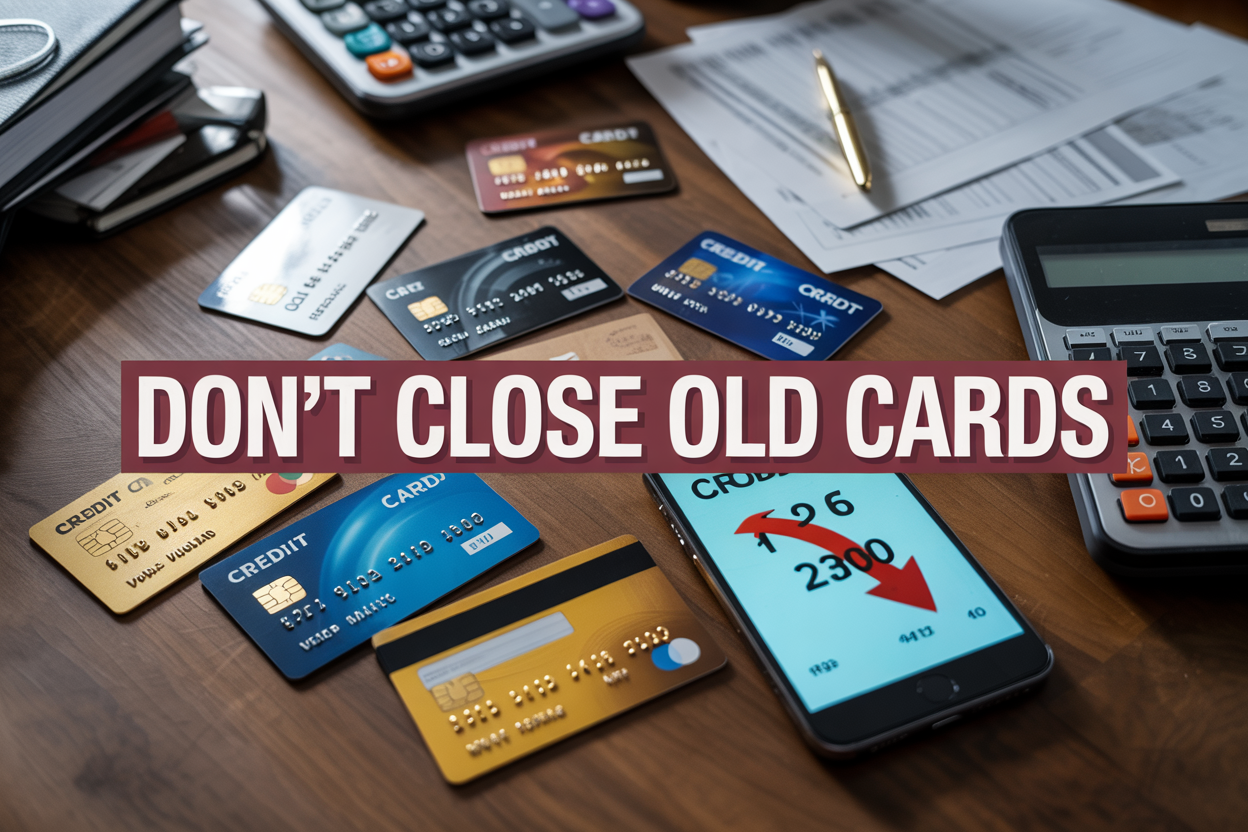
Closing old credit cards can tank your credit score in ways most people don’t expect. This guide is for anyone considering cancelling old cards, whether you’re decluttering your wallet or avoiding annual fees. Your credit score takes a hit primarily because closing credit cards affects your credit utilisation ratio. When you lose that available credit […]
Small business owners know they need a strong social media presence, but many worry about the costs. The truth is, you don’t need a massive marketing budget to succeed on social platforms. Smart small business social media strategies can deliver real results without breaking the bank. This guide is for small business owners, entrepreneurs, and […]
Building a smart crypto portfolio in 2026 means more than just buying Bitcoin and hoping for the best. With institutional money pouring into crypto ETFs and new asset classes like tokenised real estate hitting the scene, Indian investors need a structured approach to spread risk across this volatile market while keeping their rupee investments safe. […]
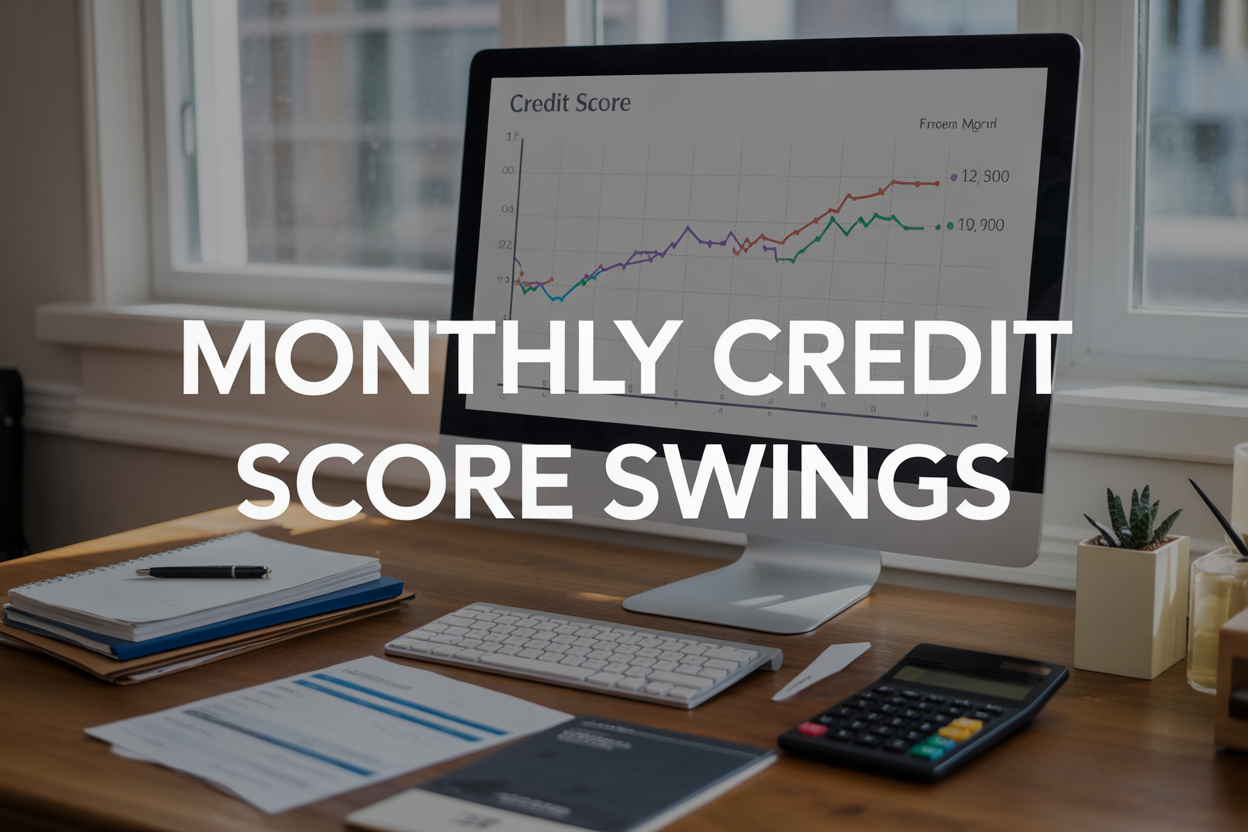
Your credit score doesn’t stay the same from month to month, and those monthly credit score changes can feel confusing and stressful. This comprehensive guide breaks down everything you need to know about credit score fluctuations and helps you take control of your financial health. Who this guide is for: Anyone who’s noticed their credit […]
Small business owners face endless marketing challenges in 2026, but email marketing offers a clear solution that cuts through the noise. While social algorithms change overnight and ad costs keep rising, your email list remains yours—a direct connection to customers that no platform can take away. This guide is for small business owners, entrepreneurs, and […]
Ready to ditch the 9-to-5 and build something that’s truly yours? This freelancer’s guide to starting a one-person business shows you exactly how to transform your skills into a profitable solo venture in 2026. This blueprint is designed for ambitious freelancers, side hustlers looking to go full-time, and anyone who wants to escape the traditional […]
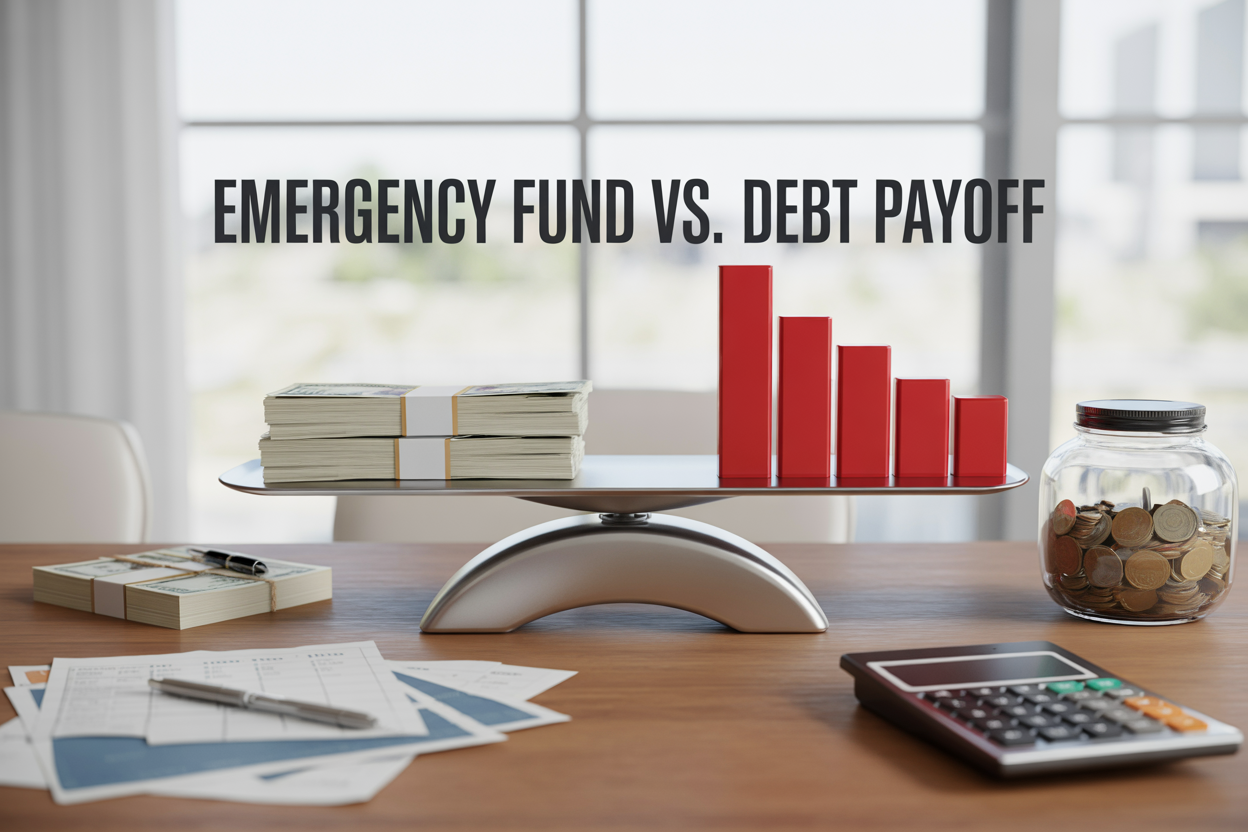
You’re staring at credit card bills and an empty savings account, wondering where to put your next paycheck. The emergency fund vs debt payoff dilemma affects millions of Americans who feel stuck between building financial security and eliminating high-interest debt. This guide is for anyone juggling debt payments while trying to save money—whether you’re recovering […]
The global demand for high-quality supplementary learning has witnessed a dramatic surge over recent years. In rapidly developing economies, traditional academic structures face massive challenges trying to keep pace with the cognitive and technological skills required for the modern global workforce. As a result, parents are increasingly looking for specialized programs that go beyond basic […]

Struggling to concentrate at work, during studies, or while tackling daily tasks? We’ve all been there – staring at our computers while our minds wander, or reading the same paragraph three times without absorbing a word. The good news is that small lifestyle changes for better focus can make a dramatic difference in how well […]

Small business owners face a growing number of cyber threats that can devastate operations, finances, and reputation. This comprehensive guide is designed for entrepreneurs, small business owners, and team leaders who need practical cybersecurity solutions without breaking the bank or requiring technical expertise. Cybercriminals increasingly target small businesses because they often lack robust security measures. […]
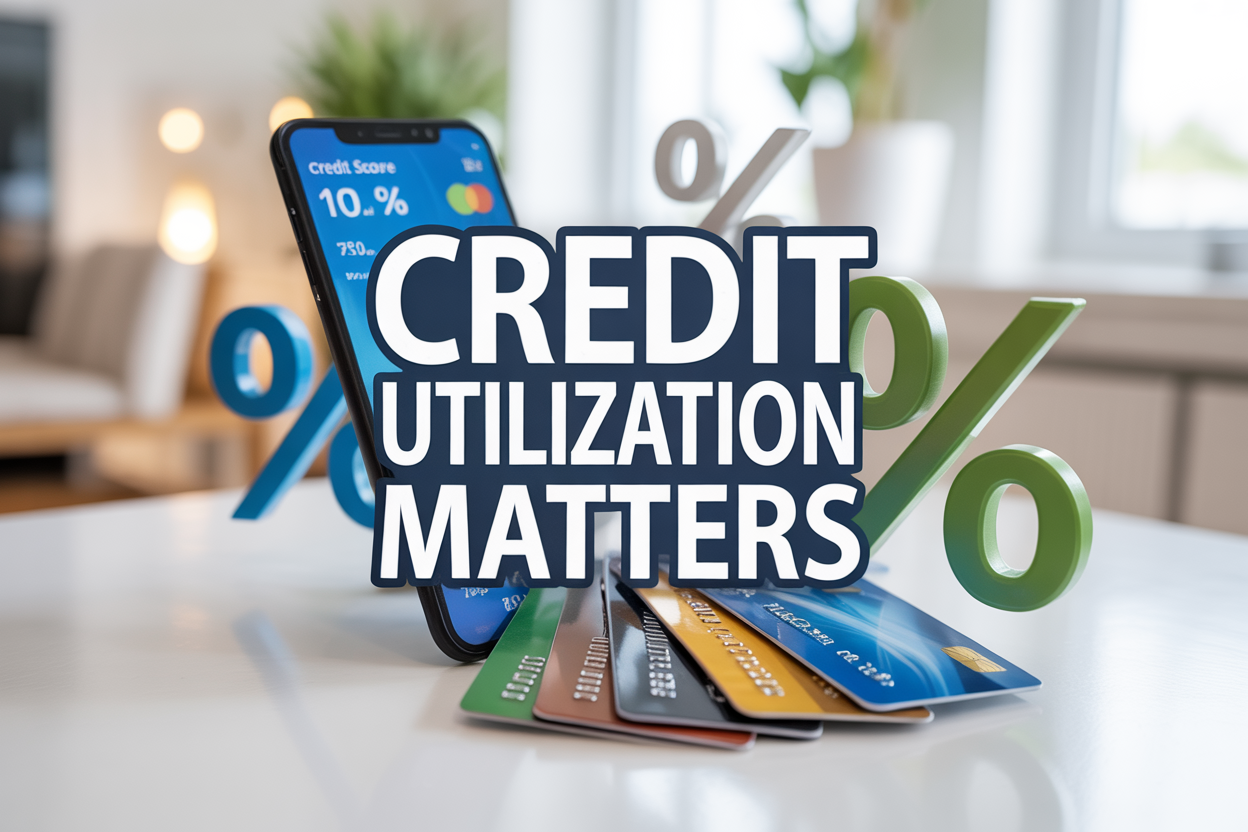
Your credit score can make or break major financial decisions, and credit utilisation plays a bigger role than most people realise. If you’re wondering what credit utilisation is and why it matters so much to lenders, you’re not alone—many people don’t fully understand how this simple percentage affects their borrowing power. This guide is for […]

President Trump’s latest threat to impose additional tariffs on India for continuing to import Russian oil has sent ripples through global energy markets. This move targets India’s strategic decision to maintain energy security through discounted Russian crude purchases, despite existing U.S. sanctions and trade pressures. For energy traders, policy analysts, and oil market investors, understanding […]
Most bloggers are leaving serious money on the table by ignoring one of Google’s most visible features. If you’re a content creator, digital marketer, or business owner struggling to increase organic traffic despite publishing consistently, you’re not alone. Over 80% of blogs fail within 18 months, and one major reason is overlooking People Also Ask […]
Most Indians work hard but stay financially stressed because they rely on just one income source. The traditional advice of “save more, spend less” only gets you so far when your salary barely keeps up with rising costs. The passive income secrets that actually work in 2026 aren’t the typical “make money while you sleep” […]
Starting an online business in India doesn’t need to break your bank account. With just ₹50,000, you can launch a profitable venture from your home and tap into India’s booming digital economy. This guide is perfect for college students, working professionals seeking side income, and aspiring entrepreneurs who want to start small and scale smartly. […]

The internet has completely transformed the way people earn money. What started as freelancing and blogging years ago has evolved into a massive digital economy filled with opportunities for creators, freelancers, entrepreneurs, students, remote workers, and even complete beginners. In 2026, side hustles are no longer just “extra income” ideas. For many people, they’ve become […]
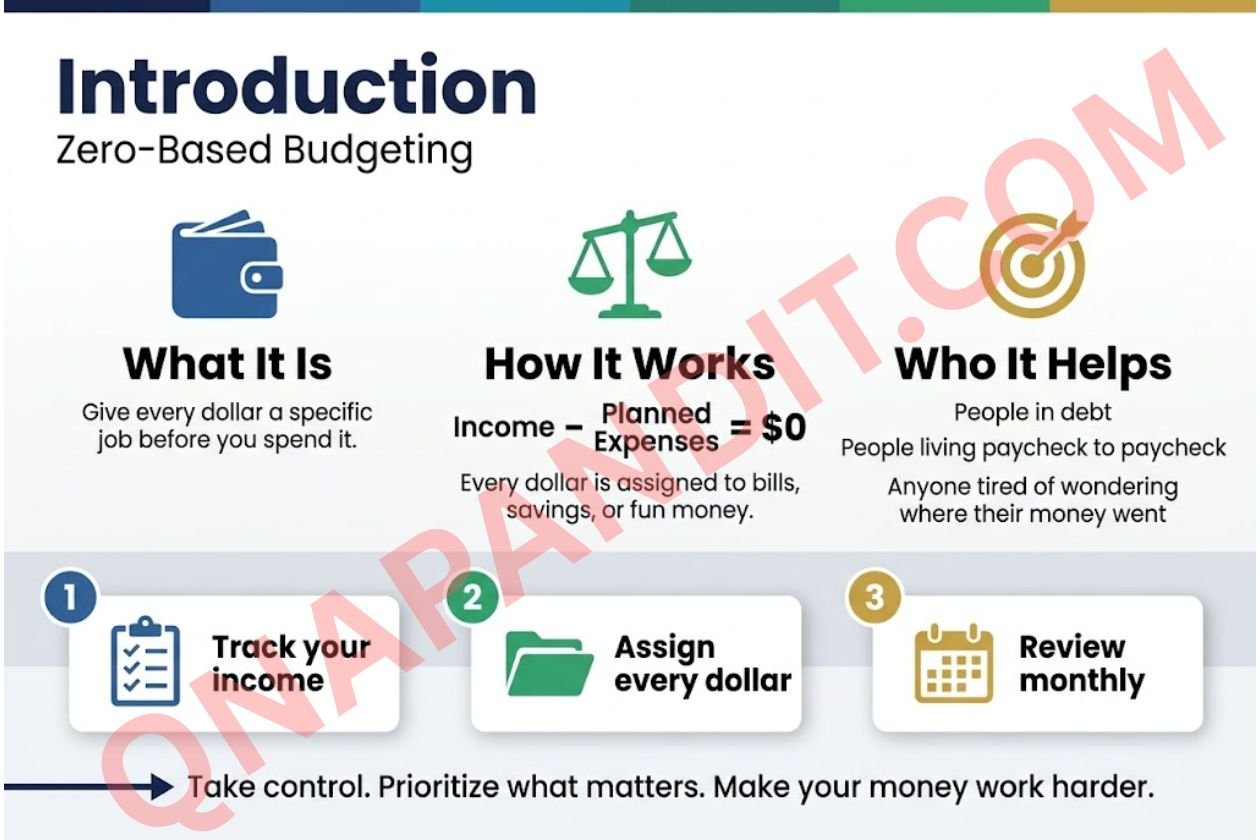
Zero-based budgeting is a simple money management strategy where you give every dollar of your income a specific job before you spend it. This method works great for anyone who wants to take complete control of their finances—whether you’re drowning in debt, barely making ends meet, or just tired of wondering where your paycheck went […]

Your mindset shapes everything—from how you handle setbacks to whether you even try new things. This deep dive is for entrepreneurs, business leaders, and anyone curious about growth mindset vs fixed mindset psychology who wants to understand which approach actually drives success. Many people believe talent and intelligence are set in stone. But research shows […]

In recent years, financial entrepreneur Timur Turlov has attracted attention in the global finance sector as the founder and CEO of Freedom Holding Corp. As financial markets become more interconnected and technology reshapes how investors access global exchanges, companies like Freedom Holding represent a broader shift toward modern, digital-driven financial services. Freedom Holding Corp. operates […]
Starting a business in India has never been more accessible, but turning your idea into reality still requires a solid plan. This comprehensive guide shows you how to write a business plan that actually works for Indian entrepreneurs in 2026. This step-by-step business plan guide is designed for first-time entrepreneurs, startup founders, and small business […]

How to Choose a Domain When Your Perfect Name Is Taken Finding out your dream domain name taken can feel like a punch to the gut. You’ve brainstormed the perfect name for your business or blog, only to discover someone else got there first. This guide is for entrepreneurs, bloggers, and anyone launching a website […]
Getting found online shouldn’t feel impossible for small business owners in India. When someone searches “dentist near me” or “best restaurant in Koramangala,” your business deserves to show up first – not buried on page two where nobody looks. Local SEO for Indian SMBs is your roadmap to dominating search results in your area. This […]

SEO success in 2026 demands more than traditional keyword stuffing and link building. You need tools that can navigate AI-powered search engines, track your brand’s visibility in ChatGPT responses, and optimise for Google’s AI Overviews alongside classic organic rankings. This guide is designed for digital marketers, content creators, SEO professionals, and business owners who want […]

AI email assistants have gone from tech novelty to daily necessity, but choosing between Gmail AI vs Outlook AI feels overwhelming when you’re drowning in messages. This guide is for busy professionals, small business owners, and anyone who processes 50+ emails daily and wants to reclaim their time without switching their entire workflow. Smart email […]

The 2026 global economic outlook presents a fascinating mix of AI-driven opportunities and traditional recession risks that smart investors need to navigate carefully. This comprehensive analysis is designed for investors, financial advisors, and business leaders in the USA, Canada, and Australia who want to understand how artificial intelligence, shifting monetary policies, and structural market changes […]

Tired of depending on coffee to jumpstart your day? You’re not alone. Many people struggle with low energy in the morning and wonder how to wake up energised without coffee. The good news is that simple, natural morning habits can boost energy levels just as effectively as your daily cup of joe. This guide is […]

Studios charge premium prices for what we can achieve right in our living rooms – and the home yoga benefits often surpass traditional classes. This guide is for busy people who want to start yoga at home, for beginners, experienced practitioners seeking flexibility, and anyone tired of expensive studio memberships that don’t fit their schedule. […]

Finding Your Perfect Profitable Blogging Niche for 2026: A Strategic Guide Choosing the right blogging niche can make or break your online success. Many new bloggers jump in without research, only to discover their topic has no audience or money-making potential. This guide is for aspiring bloggers, content creators switching niches, and anyone wanting to […]
Having an emergency fund is crucial for financial stability and peace of mind. The general recommendation is to have 3 to 6 months' worth of living expenses saved up in an emergency fund. However, the ideal amount can vary based on individual circumstances, such as: 1. Monthly Expenses: Calculate yoRead more
Having an emergency fund is crucial for financial stability and peace of mind. The general recommendation is to have 3 to 6 months’ worth of living expenses saved up in an emergency fund. However, the ideal amount can vary based on individual circumstances, such as:
1. Monthly Expenses: Calculate your monthly expenses, including rent/mortgage, utilities, groceries, insurance, and debt payments.
2. Job Stability: If your job is stable, a smaller emergency fund may be sufficient. For those with irregular income or in high-risk industries, having a larger fund is advisable.
3. Dependents: If you have dependents or a family to support, a larger emergency fund provides a safety net for unexpected expenses.
4. Health Expenses: Individuals with chronic health conditions may want to save more to cover potential medical costs.
5. Debt Level: If you have high-interest debt, focusing on building a smaller emergency fund while paying off debt could be a sensible approach.
To calculate your specific emergency fund target, consider these factors and adjust the 3 to 6 months guideline accordingly. It’s also important to regularly review and adjust your emergency fund as your circumstances change.
Key Points to Consider:
– Begin by saving a starter fund of $1,000, then gradually build up to cover several months’ expenses.
– Keep your emergency fund in a separate, easily accessible account, such as a high-yield savings account.
– Only use the fund for true emergencies like medical expenses, car repairs,
See lessA kind a rule of thumb is to keep around 3 to 6 months’ worth of essential spending in an emergency fund, not more than that unless things get really unusual. If your pay is a bit irregular or you’re self employed, going nearer to 6 to 9 months can give extra reassurance, and also a calmer head. TheRead more
A kind a rule of thumb is to keep around 3 to 6 months’ worth of essential spending in an emergency fund, not more than that unless things get really unusual. If your pay is a bit irregular or you’re self employed, going nearer to 6 to 9 months can give extra reassurance, and also a calmer head. The key point is being able to cover rent, food, utilities and those basic commitments, without having to lean on credit. It also makes sense to grow it step by step so it doesn’t turn into a big overwhelming deal. For some students, when schedules get squeezed, you might hear about options like assistance help with dissertation writing, but getting that financial safety cushion squared away first usually cuts down stress over the long run.
See less