
What is the 3-6 month rule for emergency funds?
Related Questions
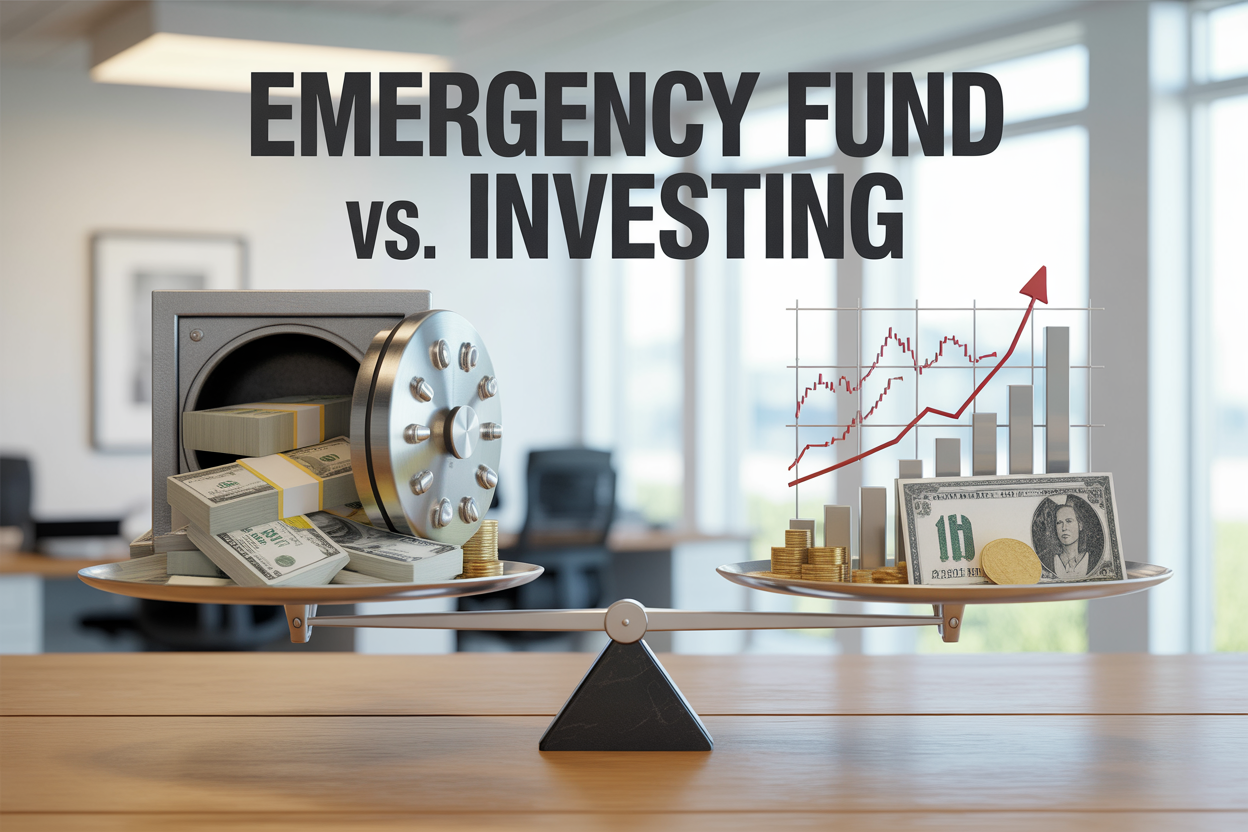
- Why Building an Emergency Fund before starting investing important? What happens if I don't?
- I'm 25 years old student and want to start investing jurney, how can I ? I have only $25000 now
- Crypto vs stocks: which is best for me, my age is 25 years old and has 1 lakhs capital
- How can I choose best credit card for me?
- How to earn passive income online?
You must login to add an answer.
Need An Account, Sign Up Here














Choosing Your Safety Net: 3 Months vs. 6 Months Feature 3-Month Fund 6-Month Fund Best For Single individuals, renters, or those with very low overhead. Homeowners, parents, or those with single-income households. Job Stability High. You work in a high-demand field where you could find a new job inRead more
Choosing Your Safety Net: 3 Months vs. 6 Months
If you're starting from zero, don't let the "6-month" figure scare you. Here is how to actually do it: Track Bare Essentials: List only your non-negotiable costs (housing, basic food, utilities, minimum debt payments). Set a Mini-Goal: Aim for $1,000 or one month first. Automate: Set up a recurringRead more
If you’re starting from zero, don’t let the “6-month” figure scare you. Here is how to actually do it:
-
Track Bare Essentials: List only your non-negotiable costs (housing, basic food, utilities, minimum debt payments).
-
Set a Mini-Goal: Aim for $1,000 or one month first.
-
Automate: Set up a recurring transfer to a separate savings account every payday.
-
Audit Regularly: If your rent goes up or you get a new car payment, adjust your total goal accordingly.
See lessI’ve always been a fan of the 6-month side of this rule, especially if you have kids or a mortgage. When you’re looking at your budget, don’t just look at your take-home pay; look at what you actually spend to survive. If you lose your job tomorrow, you don't need your Netflix subscription, but youRead more
I’ve always been a fan of the 6-month side of this rule, especially if you have kids or a mortgage. When you’re looking at your budget, don’t just look at your take-home pay; look at what you actually spend to survive. If you lose your job tomorrow, you don’t need your Netflix subscription, but you do need health insurance and food.
I kept three months of savings for years until my water heater burst the same week I had a transmission issue. Now, I don’t sleep well unless there is a full six-month cushion in a high-yield savings account. It’s not about the interest you earn; it’s about the catastrophe you prevent.
See lessThe 3-6 month rule suggests you should keep enough cash in a liquid account to cover your essential living expenses for three to six months. This acts as a financial safety net for unexpected events like sudden job loss, medical emergencies, or major car repairs. To calculate your goal, add up yourRead more
The 3-6 month rule suggests you should keep enough cash in a liquid account to cover your essential living expenses for three to six months.
This acts as a financial safety net for unexpected events like sudden job loss, medical emergencies, or major car repairs.
To calculate your goal, add up your “must-pay” bills—rent/mortgage, groceries, utilities, and insurance—and multiply that total by the number of months you want to be covered.
See lessThink of the 3-6 month rule as your "Financial Peace of Mind" fund. If you are single, renting, and have a very steady job, three months is usually plenty to get you through a rough patch. It keeps your money from being locked away so you can still focus on investing elsewhere once that baseline isRead more
Think of the 3-6 month rule as your “Financial Peace of Mind” fund. If you are single, renting, and have a very steady job, three months is usually plenty to get you through a rough patch. It keeps your money from being locked away so you can still focus on investing elsewhere once that baseline is met.
See lessThe "rule" really depends on how hard it is to find a new job in your field. I work in a niche tech sector where hiring cycles can take months. For me, a 3-month fund is way too risky. If you’re a freelancer or work on commission, you should actually be looking at 6 to 9 months because your income iRead more
The “rule” really depends on how hard it is to find a new job in your field. I work in a niche tech sector where hiring cycles can take months. For me, a 3-month fund is way too risky.
If you’re a freelancer or work on commission, you should actually be looking at 6 to 9 months because your income is volatile. If you’re in a high-demand field with a “boring” stable job, 3 months is a perfect sweet spot.
See lessA big part of the 3-6 month rule is accessibility. You shouldn't put this money in the stock market or a 5-year CD. If an emergency happens, you need that cash now. I keep mine in a dedicated Money Market Account. It stays separate from my "spending money" so I’m not tempted to touch it for a vacatiRead more
A big part of the 3-6 month rule is accessibility. You shouldn’t put this money in the stock market or a 5-year CD. If an emergency happens, you need that cash now. I keep mine in a dedicated Money Market Account.
It stays separate from my “spending money” so I’m not tempted to touch it for a vacation, but I can transfer it to my checking account instantly if the ceiling starts leaking.
See lessOne thing people forget is that the 3-6 month rule isn't "all or nothing." You can start with three months of expenses and gradually grow it to six months of income over time. Also, remember to include annual expenses in your math—like that big property tax bill or car registration that always seemsRead more
One thing people forget is that the 3-6 month rule isn’t “all or nothing.” You can start with three months of expenses and gradually grow it to six months of income over time.
Also, remember to include annual expenses in your math—like that big property tax bill or car registration that always seems to “surprise” people. It’s about covering the “oops” moments in life without reaching for a credit card.
See less