How can I be productive every day?

How can I be productive every day?
You must login to add an answer.
Need An Account, Sign Up Here
Please briefly explain why you feel this question should be reported.
Please briefly explain why you feel this answer should be reported.
Please briefly explain why you feel this user should be reported.
Small business owners and executives are watching remote work reshape their industries in ways that threaten their very survival. While headlines celebrate work-from-home flexibility, a massive economic ecosystem built around office workers is quietly crumbling. This guide is for business leaders, managers, and entrepreneurs who need to understand why remote work is creating unprecedented challenges […]

AI myths are stopping small and medium businesses from tapping into artificial intelligence’s real potential. These misconceptions spread faster than facts, leaving business owners convinced that AI is either too complex, too expensive, or too risky for their operations. This article is for business owners, managers, and decision-makers who want to separate AI reality from […]

You’re staring at credit card bills and an empty savings account, wondering where to put your next paycheck. The emergency fund vs debt payoff dilemma affects millions of Americans who feel stuck between building financial security and eliminating high-interest debt. This guide is for anyone juggling debt payments while trying to save money—whether you’re recovering […]
Small business owners know they need a strong social media presence, but many worry about the costs. The truth is, you don’t need a massive marketing budget to succeed on social platforms. Smart small business social media strategies can deliver real results without breaking the bank. This guide is for small business owners, entrepreneurs, and […]

Closing old credit cards can tank your credit score in ways most people don’t expect. This guide is for anyone considering cancelling old cards, whether you’re decluttering your wallet or avoiding annual fees. Your credit score takes a hit primarily because closing credit cards affects your credit utilisation ratio. When you lose that available credit […]
Small business owners face endless marketing challenges in 2026, but email marketing offers a clear solution that cuts through the noise. While social algorithms change overnight and ad costs keep rising, your email list remains yours—a direct connection to customers that no platform can take away. This guide is for small business owners, entrepreneurs, and […]

Making money online in 2026 isn’t about overnight riches or shiny get-rich-quick schemes. The real opportunities exist for people who want sustainable income streams they can actually count on. This guide is for anyone tired of the hype – freelancers looking to diversify their income, professionals wanting to build passive revenue, or entrepreneurs ready to […]
Artificial intelligence is steadily transforming creative industries, and one of its more specialised directions is erotica AI. Built on sophisticated language models, this technology can generate romantic and adult-themed stories from simple prompts. Instead of replacing authors, erotica AI serves as a creative assistant, helping users shape ideas, organise plots, and develop compelling characters with […]

A poor credit score can cost you thousands of dollars in higher interest rates and limit your access to loans, apartments, and even some jobs. If you’re dealing with bad credit from past mistakes, preparing for a major purchase, or simply want to improve your financial standing, this 90-day credit improvement plan can help you […]

Studios charge premium prices for what we can achieve right in our living rooms – and the home yoga benefits often surpass traditional classes. This guide is for busy people who want to start yoga at home, for beginners, experienced practitioners seeking flexibility, and anyone tired of expensive studio memberships that don’t fit their schedule. […]

Starting a blog feels like launching into uncharted territory. You’re ready to share your expertise with the world, but one wrong move can waste months of effort and hundreds of dollars. This guide is for aspiring bloggers and business owners who want to build a successful blog from day one. We’ll walk through how to […]

Finding Your Perfect Profitable Blogging Niche for 2026: A Strategic Guide Choosing the right blogging niche can make or break your online success. Many new bloggers jump in without research, only to discover their topic has no audience or money-making potential. This guide is for aspiring bloggers, content creators switching niches, and anyone wanting to […]

The Salesforce talent market is red-hot, and finding skilled developers is just half the battle. The real challenge? Keeping them on your team once you’ve hired them. This guide is for hiring managers, HR leaders, and team leads who want to build and maintain high-performing Salesforce development teams. With developer demand far outpacing supply, your […]

You’ve got money to manage, but you’re stuck on a big question: Should you build an emergency fund or start investing first? This decision stumps many people, especially young adults and new earners who want to grow wealth but also need financial security. You know investing can make your money grow over time, but emergencies […]

Package delivery scams are exploding as more Americans shop online and expect regular deliveries. These scams target anyone waiting for packages, using fake delivery notifications and phishing delivery emails to steal your money and personal information. You’re especially vulnerable if you frequently order online, live in an apartment complex, or recently made purchases from unfamiliar […]
Starting a business in India has never been more accessible, but turning your idea into reality still requires a solid plan. This comprehensive guide shows you how to write a business plan that actually works for Indian entrepreneurs in 2026. This step-by-step business plan guide is designed for first-time entrepreneurs, startup founders, and small business […]

The internet has completely transformed the way people earn money. What started as freelancing and blogging years ago has evolved into a massive digital economy filled with opportunities for creators, freelancers, entrepreneurs, students, remote workers, and even complete beginners. In 2026, side hustles are no longer just “extra income” ideas. For many people, they’ve become […]
Ready to ditch the 9-to-5 and build something that’s truly yours? This freelancer’s guide to starting a one-person business shows you exactly how to transform your skills into a profitable solo venture in 2026. This blueprint is designed for ambitious freelancers, side hustlers looking to go full-time, and anyone who wants to escape the traditional […]
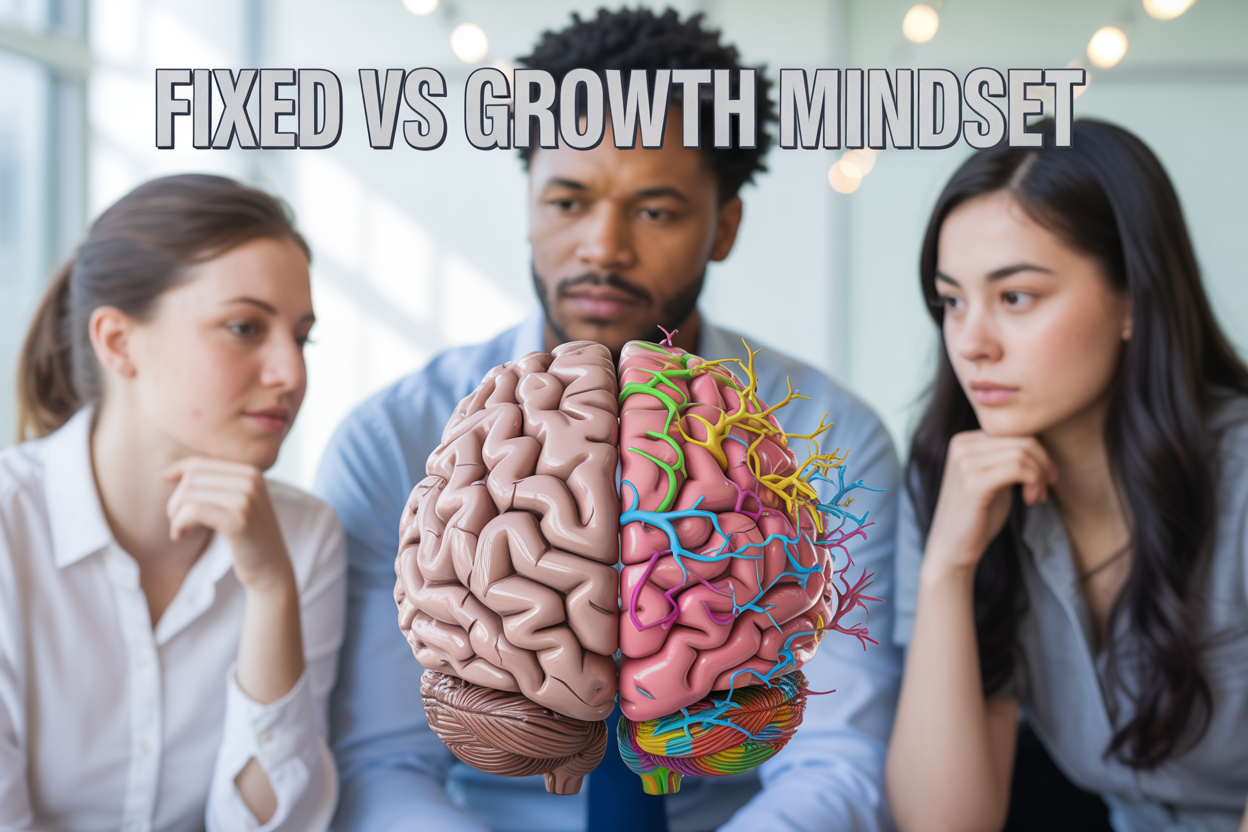
Your mindset shapes everything—from how you handle setbacks to whether you even try new things. This deep dive is for entrepreneurs, business leaders, and anyone curious about growth mindset vs fixed mindset psychology who wants to understand which approach actually drives success. Many people believe talent and intelligence are set in stone. But research shows […]

In recent years, financial entrepreneur Timur Turlov has attracted attention in the global finance sector as the founder and CEO of Freedom Holding Corp. As financial markets become more interconnected and technology reshapes how investors access global exchanges, companies like Freedom Holding represent a broader shift toward modern, digital-driven financial services. Freedom Holding Corp. operates […]
Building a smart crypto portfolio in 2026 means more than just buying Bitcoin and hoping for the best. With institutional money pouring into crypto ETFs and new asset classes like tokenised real estate hitting the scene, Indian investors need a structured approach to spread risk across this volatile market while keeping their rupee investments safe. […]

Google’s People Also Ask boxes appear in over 43% of search results, yet most marketers ignore this goldmine of SEO opportunities. PAA questions reveal exactly what your audience wants to know, giving you a direct path to featured snippets, voice search optimization, and higher rankings. This guide is for content marketers, SEO specialists, and business […]

SEO success in 2026 demands more than traditional keyword stuffing and link building. You need tools that can navigate AI-powered search engines, track your brand’s visibility in ChatGPT responses, and optimise for Google’s AI Overviews alongside classic organic rankings. This guide is designed for digital marketers, content creators, SEO professionals, and business owners who want […]

Your hobby feels more like an escape from work than just a weekend activity. We get it—that creative spark or hands-on satisfaction you find in photography, cooking, woodworking, or whatever gets you excited might actually be pointing toward your next career move. This guide is for anyone tired of watching the clock at their day […]
Most Indians work hard but stay financially stressed because they rely on just one income source. The traditional advice of “save more, spend less” only gets you so far when your salary barely keeps up with rising costs. The passive income secrets that actually work in 2026 aren’t the typical “make money while you sleep” […]

Struggling to concentrate at work, during studies, or while tackling daily tasks? We’ve all been there – staring at our computers while our minds wander, or reading the same paragraph three times without absorbing a word. The good news is that small lifestyle changes for better focus can make a dramatic difference in how well […]
Getting found online shouldn’t feel impossible for small business owners in India. When someone searches “dentist near me” or “best restaurant in Koramangala,” your business deserves to show up first – not buried on page two where nobody looks. Local SEO for Indian SMBs is your roadmap to dominating search results in your area. This […]

AI email assistants have gone from tech novelty to daily necessity, but choosing between Gmail AI vs Outlook AI feels overwhelming when you’re drowning in messages. This guide is for busy professionals, small business owners, and anyone who processes 50+ emails daily and wants to reclaim their time without switching their entire workflow. Smart email […]

The 2026 global economic outlook presents a fascinating mix of AI-driven opportunities and traditional recession risks that smart investors need to navigate carefully. This comprehensive analysis is designed for investors, financial advisors, and business leaders in the USA, Canada, and Australia who want to understand how artificial intelligence, shifting monetary policies, and structural market changes […]
Being productive every day doesn’t mean you have to work like a machine. It actually starts with a very simple step: making a list. Before you start your day, write down three things you really want to finish. When you have a clear plan, your brain doesn't waste energy wondering what to do next. AnoRead more
Being productive every day doesn’t mean you have to work like a machine. It actually starts with a very simple step: making a list. Before you start your day, write down three things you really want to finish. When you have a clear plan, your brain doesn’t waste energy wondering what to do next.
See lessAnother big tip is to stop multitasking. Most people think doing two things at once is faster, but it usually just makes you slower and more tired. Focus on one task, finish it, and then move to the next. Also, don’t forget to take small breaks. Even a five-minute walk or a glass of water can “reset” your brain so you can stay focused longer.
Lastly, try to get enough sleep. It is much harder to be productive when you are exhausted. If you keep things simple and take it one step at a time, you’ll find that you get a lot more done without feeling stressed out.
To stay productive every day, focus on these high-impact habits: Plan the Night Before: Spend 5 minutes listing your top 3 priorities for tomorrow to avoid morning "decision fatigue." Time Blocking: Dedicate specific hours to specific tasks rather than working from a generic list. Single-Tasking: AvRead more
To stay productive every day, focus on these high-impact habits:
-
Plan the Night Before: Spend 5 minutes listing your top 3 priorities for tomorrow to avoid morning “decision fatigue.”
-
Time Blocking: Dedicate specific hours to specific tasks rather than working from a generic list.
-
Single-Tasking: Avoid the “switching cost” of multitasking; focus on one item until it is 100% complete.
-
Use the 2-Minute Rule: If a task takes less than two minutes (like replying to an email), do it immediately.
-
Scheduled Breaks: Use the Pomodoro method (25 mins work / 5 mins break) to keep your mind fresh.
-
Optimise Environment: Remove distractions, especially your smartphone, from your immediate workspace.
See lessHonestly, productivity is more about discipline than it is about motivation. We all have days where we just don't feel like doing anything, and that’s where a solid system comes in. For me, the game-changer was the Pomodoro Technique. You set a timer for 25 minutes of deep work, followed by a 5-minuRead more
Honestly, productivity is more about discipline than it is about motivation. We all have days where we just don’t feel like doing anything, and that’s where a solid system comes in. For me, the game-changer was the Pomodoro Technique. You set a timer for 25 minutes of deep work, followed by a 5-minute break. It makes big projects feel way less intimidating.
See lessAnother thing that helps is managing your environment. If your phone is buzzing next to you, you’ve already lost the battle. I put my phone in another room when I need to get serious work done. Also, try “eating the frog”—this just means doing your hardest or most annoying task first thing in the morning. Once that’s out of the way, the rest of the day feels like a breeze.
Don’t forget to check your energy levels too. Some people are morning larks, while others are night owls. Figure out when you feel the sharpest and schedule your most important work for those hours. If you treat your time like a limited resource, you’ll naturally start spending it more wisely.
To be productive every day, prioritise your tasks using the Eisenhower Matrix to focus on what is truly important rather than just urgent. Implement time-blocking to protect your schedule from distractions and use the Pomodoro Technique to maintain high energy levels through frequent, short breaks.Read more
To be productive every day, prioritise your tasks using the Eisenhower Matrix to focus on what is truly important rather than just urgent. Implement time-blocking to protect your schedule from distractions and use the Pomodoro Technique to maintain high energy levels through frequent, short breaks. Consistent productivity is the result of managing your energy, not just your time, and ensuring you complete your most challenging task—the “frog”—first thing in the morning.
See lessProductivity at an elite level is not merely about "doing more"; it is the strategic optimisation of biological rhythms, cognitive load, and environmental design. To sustain high output every day, one must move beyond simple checklists and into the realm of systemic workflow management. 1. The ArchiRead more
Productivity at an elite level is not merely about “doing more”; it is the strategic optimisation of biological rhythms, cognitive load, and environmental design. To sustain high output every day, one must move beyond simple checklists and into the realm of systemic workflow management.
1. The Architecture of Deep Work
As Cal Newport discusses in his research on “Deep Work,” the ability to focus without distraction on a cognitively demanding task is becoming increasingly rare and valuable. To achieve this, you must schedule non-negotiable blocks of time—ideally 90 to 120 minutes—where all external stimuli (notifications, emails, meetings) are eliminated. This allows the brain to enter a “flow state,” where productivity can increase by up to 500%. For more on refining this, you can read about time management strategies that align with professional workflows.
2. Leveraging the Pareto Principle and Parkinson’s Law
Expert productivity relies on two fundamental laws:
3. Energy vs. Time Management
High performers recognise that energy is a finite resource, whereas time is merely a container. The “Ultradian Rhythm” suggests that our brains can only stay highly focused for about 90 minutes before needing a recovery period. Ignoring these biological signals leads to diminishing returns and eventual burnout. Incorporating “active recovery”—such as meditation or brief physical movement—is essential for maintaining cognitive endurance. If you find yourself hitting a wall, it might be worth exploring how to overcome procrastination by addressing the underlying emotional or energetic blocks.
4. The Eisenhower Matrix
To stay productive daily, you must distinguish between Urgent and Important tasks. Often, we spend our days “putting out fires” (Urgent but not Important) while neglecting long-term growth (Important but not Urgent). An expert daily routine prioritises the latter during peak cognitive hours.
See lessIn summary, daily productivity is an iterative process. It requires a feedback loop—reviewing what worked at the end of each day and adjusting the system for the next. It is an intersection of psychology, biology, and rigorous discipline.