Ready to take control of your money in 2026? Zero-based budgeting might be exactly what you need to finally see where every dollar goes.
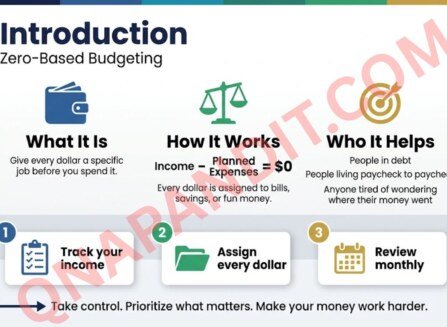
This 2026 budget planner for beginners will show you how zero-based budgeting works – a simple method where your income minus expenses equals zero every month.
Don’t worry, that doesn’t mean spending everything you earn. It means giving every dollar a specific job, whether that’s rent, savings, or debt payments.
Zero-based budgeting is perfect for people who are tired of wondering where their paycheck disappeared, want to pay off debt faster, or need better control over their spending. Unlike the 50/30/20 rule that uses broad categories, this zero-based budget guide helps you plan every dollar with intention.
We’ll walk you through the complete step-by-step zero-based budget creation process, starting with calculating your monthly income and assigning every dollar to specific categories.
You’ll learn how to prioritise your essential categories and budget allocation – covering needs first, then wants and goals.
We’ll also cover monthly budget-tracking strategies to keep you on track, plus the best budget-planning tools and apps designed specifically for zero-based budgeting.
By the end, you’ll know exactly how to build and maintain a zero-based budget that actually works with your real life.
Understanding Zero-Based Budgeting Fundamentals

What Zero-Based Budgeting Means and How It Works
Zero-based budgeting (ZBB) represents a comprehensive approach to personal finance budgeting where you systematically assign every dollar of your monthly income to specific categories before spending begins.
This zero-based budget guide methodology ensures that your income minus your total allocations equals exactly zero, creating a balanced financial equation where no money remains unaccounted for.
The process works by taking your total monthly income and deliberately distributing it across various categories, including expenses, savings, debt payments, and financial goals.
Unlike other budget allocation methods, zero-based budgeting requires you to justify and assign each dollar rather than letting money sit idle in your account without purpose.
Key Principles: Giving Every Dollar a Job
The fundamental principle underlying zero-based budgeting centres on the concept that every dollar must have a designated job before the month begins.
This beginner budget management approach flips traditional spending patterns by requiring proactive decision-making rather than reactive spending.
Under this system, savings, investments, and extra debt payments are considered essential allocations rather than optional afterthoughts. Each dollar receives a specific assignment, whether it’s covering necessary expenses like housing and utilities, building an emergency fund, paying down debt, or working toward long-term financial goals.
This principle ensures that your money works intentionally toward your financial objectives rather than disappearing through unconscious spending habits.
By implementing this budget planner 2026 approach, beginners can develop stronger financial discipline and clearer visibility into their spending patterns.
Historical Background and Development
Zero-based budgeting originated as a corporate financial management technique before being adapted for personal finance applications.
The methodology gained recognition for its systematic approach to resource allocation, requiring organisations and individuals to justify every expense from scratch rather than building upon previous budgets.
How It Differs From Traditional Budgeting Methods
Traditional budgeting typically involves tracking expenses after spending occurs, often leaving discretionary income unallocated. In contrast, zero based budgeting vs traditional budgeting demonstrates a proactive approach where every dollar receives an assignment before spending begins.
This budgeting for beginners method eliminates the common scenario where money disappears without clear tracking, as traditional methods often focus on limiting expenses rather than purposefully directing all income toward specific financial objectives.
Step-by-Step Zero-Based Budget Creation Process

Calculating Your Total Monthly Income
The foundation of successful zero-based budgeting begins with accurately calculating your total monthly income. This critical first step requires gathering all sources of reliable income after taxes, including your primary wages, side gigs, and any other consistent financial inflows.
For zero-based budgeting to work effectively, you need a clear picture of exactly how much money you have available to allocate each month.
Start by collecting your pay stubs, bank statements, and records of any additional income sources. Include salary, hourly wages, freelance earnings, rental income, or other reliable streams that consistently contribute to your monthly cash flow.
The key is focusing on after-tax income since this represents the actual dollars available for your budget allocation methods.
Listing and Categorising All Expenses
Now that we have covered income calculation, the next crucial step involves comprehensive expense documentation.
This zero-based budget guide requires listing all fixed expenses first, which includes non-negotiable costs like rent or mortgage payments, insurance premiums, and minimum debt payments.
These expenses remain relatively constant each month and form the foundation of your budget allocation.
Following fixed expenses, document all variable expenses with realistic estimates. Variable costs include groceries, gas, utilities, and other fluctuating monthly expenses. Research your past spending patterns through bank statements and receipts to establish accurate estimates.
Additionally, create line items for savings and debt-payoff goals, incorporating emergency funds, retirement contributions, and sinking funds for irregular expenses like car maintenance or holiday spending.
Allocating Dollars Until Income Minus Expenses Equals Zero
The core principle of zero-based budgeting requires assigning every dollar of income to a specific category until your total income minus all allocations equals zero. This personal finance budgeting approach ensures deliberate decision-making for each dollar earned.
Begin allocating funds to your listed expenses, starting with fixed costs, then variable expenses, and finally savings and debt goals.
If money remains after covering all expenses and goals, put these dollars to work towards your financial priorities rather than leaving them unassigned. Extra funds should be directed toward debt repayment, additional savings, or other financial objectives.
Conversely, if your expenses exceed your income, you must either reduce spending in variable categories or find ways to boost your income to achieve the zero-based balance.
Every dollar must be deliberately accounted for, including creating categories for miscellaneous needs or buffer funds to handle unexpected small expenses.
Handling Irregular or Variable Income Situations
For those with irregular or variable income, zero-based budgeting requires a conservative approach to budget planning tools. Use your lowest typical income month as the baseline for your monthly budget tracking. This strategy ensures you can consistently meet your financial obligations even during lower-earning periods.
When extra income arrives beyond your baseline amount, allocate these additional dollars toward debt repayment or increased savings contributions. This approach provides financial stability while maximising the benefits of higher-income months.
Track your income patterns over several months to establish a reliable baseline that reflects your true earning potential during challenging periods.
Essential Categories and Priority Order for Budget Allocation

Starting With Giving and Generosity
When implementing zero-based budgeting for beginners, the first category to address in your budget allocation is giving and generosity. This foundational principle sets a positive tone for your entire financial planning process.
Many financial experts recommend allocating 10% of your income toward giving, whether to charitable organisations, religious institutions, or community causes that align with your values.
Starting your budget by giving serves multiple purposes in zero-based budgeting. It establishes your priorities from the outset and creates a mindset of abundance rather than scarcity.
This approach helps you view money as a tool for positive impact while building discipline in your budget allocation methods.
Prioritising Savings and Emergency Funds
The second priority in your zero-based budget guide should focus on paying yourself first through savings. This critical step involves building an emergency fund and working toward larger financial goals before addressing other expenses.
For beginners implementing zero-based budgeting, this creates a solid foundation for long-term financial stability.
When you have existing debt, the strategy becomes more nuanced. Financial experts recommend establishing a starter emergency fund of approximately $1,000 before aggressively tackling debt.
Once this initial safety net is in place, any additional funds typically earmarked for savings should be redirected toward your debt snowball strategy.
Covering the Four Walls: Basic Living Expenses
After addressing giving and savings in your budget planner 2026, the next priority involves covering your four walls – the essential living expenses that keep your household functioning.
These fundamental categories form the backbone of personal finance budgeting and must be fully funded before considering discretionary spending.
The four walls concept ensures that your family’s basic survival needs are met regardless of other financial pressures. This systematic approach to budget allocation methods provides peace of mind and prevents financial emergencies from arising from neglected essential expenses.
Planning for Debt Payments and Other Financial Goals
Once you’ve addressed giving, savings, and essential living expenses, your zero-based budget should allocate remaining income toward debt payments and additional financial objectives.
This strategic approach to beginner budget management ensures that every dollar serves a specific purpose while maintaining progress toward debt freedom and wealth building.
Monthly Budget Management and Tracking

Tracking Every Transaction Throughout the Month
For zero-based budgeting to be effective, you must track every single transaction throughout the month, logging both income and expenditures into their respective categories.
This meticulous approach to monthly budget tracking ensures that your zero-based budget guide remains accurate and functional throughout the entire budgeting period.
Every purchase, no matter how small, needs to be recorded in its designated category. Whether it’s a $3 coffee or a $300 utility bill, each transaction directly impacts your budget allocation and must be documented immediately.
This level of detail is what sets zero-based budgeting apart from traditional budgeting methods and makes it particularly effective for beginner budget management.
The key to successful transaction tracking lies in consistency and immediacy. Record transactions as they happen rather than trying to reconstruct your spending at the end of the week or month.
This real-time tracking prevents oversights and ensures your budget remains balanced.
Adjusting Categories When Overspending Occurs
If overspending occurs in one category, adjust by moving money over from a different budget category to maintain your zero balance. This flexibility is a cornerstone of effective zero-based budgeting and demonstrates why this method requires active management throughout the month.
When you exceed your grocery budget, for instance, you’ll need to identify another category with available funds to transfer money from.
This might mean reducing your entertainment budget or postponing a planned purchase from your miscellaneous category. The critical principle is maintaining the zero balance where every dollar remains assigned to a specific purpose.
This adjustment process teaches valuable lessons about spending priorities and forces you to make conscious decisions about your money.
Rather than simply overspending and dealing with consequences later, you’re required to make immediate trade-offs that keep your budget intact.
Creating New Budgets Each Month for Changing Needs
Create a new budget every single month to account for changing needs, income, and expenses, as each month is different.
This monthly reset is fundamental to personal finance budgeting success and ensures your budget planner 2026 remains relevant to your current financial situation.
Monthly variations are inevitable – some months include quarterly insurance payments, while others might feature birthday celebrations or seasonal purchases. Your income may fluctuate if you work irregular hours or receive bonuses.
These changes require a fresh budgeting approach each month rather than simply copying the previous month’s allocations.
Starting each month with a clean slate allows you to reassess your priorities, accommodate new financial goals, and adjust for known upcoming expenses.
This practice keeps your zero-based budget dynamic and responsive to your actual life circumstances rather than becoming a rigid framework that doesn’t match reality.
Planning for Irregular and Seasonal Expenses
Plan for irregular and seasonal expenses, such as car maintenance, holiday gifts, or annual insurance premiums, by allocating funds to specific categories throughout the year.
This proactive approach prevents these predictable but infrequent expenses from derailing your monthly budget.
Create dedicated sinking funds for known irregular expenses by setting aside small amounts each month. If you know your car registration costs $120 annually, allocate $10 monthly to a vehicle registration category.
Holiday gifts, annual subscriptions, property taxes, and seasonal clothing purchases all benefit from this forward-thinking approach.
This strategy transforms potentially budget-breaking irregular expenses into manageable monthly allocations.
When the expense finally occurs, you’ll have the funds readily available without needing to scramble or compromise other budget categories.
Zero-Based Budgeting Tools and Apps

EveryDollar Features and Pricing Options
EveryDollar stands out as Dave Ramsey’s flagship zero-based budgeting app, specifically engineered to complement his renowned Baby Steps framework for financial freedom.
This budget planner 2026 tool empowers users to construct comprehensive monthly zero-based budgets with intuitive design and streamlined functionality.
The app offers two distinct tiers to accommodate different user preferences and needs. The free version provides essential zero-based budgeting capabilities through manual transaction entry, making it an excellent starting point for budgeting for beginners who want to experience the zero-based budget guide methodology without financial commitment.
For users seeking enhanced automation and convenience, EveryDollar’s Premium plan delivers bank account connectivity that automatically imports transactions, significantly reducing manual data entry time.
This advanced feature streamlines monthly budget tracking and ensures more accurate budget allocation methods. The Premium subscription is available at $17.99 per month or $79.99 annually, offering substantial savings for yearly subscribers.
YNAB Benefits for Hands-On Budget Management
YNAB (You Need a Budget) has earned widespread recognition as the premier application for zero-based budgeting, primarily because its entire architecture was purpose-built specifically for this personal finance budgeting method.
This dedicated focus on zero-based budgeting principles makes YNAB exceptionally powerful for users committed to hands-on budget management.
The platform excels in teaching users fundamental zero-based budgeting concepts while providing sophisticated budget planning tools that encourage active engagement with every dollar earned.
YNAB’s methodology emphasises giving every dollar a specific job before spending occurs, which aligns perfectly with zero-based budgeting philosophy and promotes disciplined beginner budget management practices.
Advantages and Benefits of Zero-Based Budgeting

Increased Awareness and Control Over Spending
Zero-based budgeting transforms your relationship with money by making you intentional about every single dollar that flows through your finances.
Unlike traditional budgeting methods, where you might mindlessly repeat previous spending patterns, this approach forces you to examine and justify each expense category from scratch.
This heightened awareness reveals exactly where your money is actually going, often uncovering surprising spending habits that may have gone unnoticed for months or even years.
The control aspect of zero-based budgeting empowers you to make conscious decisions about your financial priorities. When you assign every dollar a specific purpose before the month begins, you eliminate the guesswork and uncertainty that often leads to financial stress.
This intentional approach to budget planning tools creates a clear roadmap for your money, ensuring that your spending aligns with your values and long-term objectives.
Adaptability to Real-Life Changes and Goals
One of the most compelling advantages of zero-based budgeting for beginners is its inherent flexibility. Your budget becomes a living document that stretches and changes each month to accommodate life’s inevitable variations.
Whether you need to budget for an oil change, plan for a vacation, or prepare for a dental appointment, this budgeting method allows you to adjust your allocations without being bound to a rigid template.
This adaptability makes zero-based budgeting particularly effective for managing irregular expenses and seasonal changes. Monthly budget tracking becomes more realistic because you’re not trying to force your actual life into predetermined categories.
Instead, you’re creating a customised financial plan that reflects your current circumstances, goals, and priorities.
Prevention of Impulse Purchases and Overspending
By establishing clear spending limits for each category, zero-based budgeting creates natural guardrails against impulsive financial decisions. When you know exactly how much you have allocated for discretionary spending, you’re less likely to make purchases that exceed your planned amounts.
This awareness helps you distinguish between wants and needs, encouraging more thoughtful spending decisions.
The method encourages proactive budgeting for discretionary purchases rather than reactive spending. Instead of wondering whether you can afford something, you already know your available balance in each category.
This knowledge eliminates the anxiety and guilt often associated with spontaneous purchases while still allowing room for enjoyment within your predetermined limits.
Better Progress Toward Financial Priorities
Zero-based budgeting ensures that every dollar works purposefully toward your financial objectives. This systematic approach helps you prioritise your goals more effectively, whether you’re focused on paying off debt, saving for a home down payment, or building an investment portfolio.
By assigning specific amounts to each priority, you create concrete progress markers that keep you motivated and on track.
The method’s emphasis on intentional allocation means that your most important financial goals receive adequate funding before discretionary spending categories.
This priority-based approach accelerates progress toward major milestones, making zero-based budgeting an excellent choice for personal finance budgeting strategies that deliver measurable results.
Comparison With Other Popular Budgeting Methods

Zero-Based vs 50/30/20 Rule Effectiveness
Zero-based budgeting requires more active monthly planning and offers greater precision compared to the 50/30/20 rule, which divides income into broad, fixed percentages for needs, wants, and savings. While the 50/30/20 rule can be easier for beginners to understand initially, it doesn’t adapt to real-life goals and may not reflect actual spending needs or debt priorities.
The fundamental difference lies in customisation versus simplicity. Zero-based budgeting for beginners allows for complete personalisation of budget allocation methods based on individual circumstances, while the 50/30/20 approach applies the same formula regardless of personal financial situations.
This makes zero-based budget guide approaches more effective for achieving specific financial objectives.
Zero-Based vs Traditional Set-and-Forget Budgeting
Unlike traditional budgeting methods that establish fixed spending limits and leave them unchanged month after month, zero-based budgeting demands regular reassessment of every expense category.
Traditional set-and-forget budgeting often leads to stagnant financial progress because it fails to account for changing priorities, income fluctuations, or evolving financial goals.
The monthly budget tracking inherent in zero-based approaches ensures that every dollar serves a current purpose, preventing the common pitfall of automatic spending that traditional methods encourage.
This active engagement with personal finance budgeting creates better financial awareness and more intentional spending decisions.
Zero-Based vs Reverse Budgeting Approaches
Reverse budgeting prioritises savings first, then allocates remaining income to expenses. While this approach emphasises savings, it lacks the comprehensive expense analysis that zero-based budgeting provides.
Zero-based methods examine both income and expenses with equal scrutiny, ensuring optimal allocation across all financial categories.
Why Zero-Based Budgeting Outperforms Percentage-Based Methods
Zero-based budgeting vs traditional budgeting demonstrates superior results because percentage-based methods ignore individual financial realities. These methods assume that everyone’s financial needs fit into predetermined ratios, which rarely reflect actual spending requirements or debt obligations.
Zero-based approaches adapt to personal circumstances, making them more effective for beginner budget management and long-term financial success.
Common Challenges and Solutions

Time Investment Required for Monthly Planning
The most significant hurdle beginners face with zero-based budgeting is the substantial time commitment required for monthly budget planning. Initially, creating your zero-based budget can take anywhere from 30 to 60 minutes each month.
This time investment can feel overwhelming for those transitioning from simpler budgeting methods or those who haven’t budgeted consistently before.
However, this initial time investment is crucial for the method’s effectiveness. During these early planning sessions, you’re essentially giving every dollar a specific purpose, which requires careful consideration of your priorities and financial goals.
The detailed nature of zero-based budgeting means you can’t simply copy last month’s budget – you must thoughtfully allocate each dollar based on your current month’s needs and circumstances.
The encouraging news is that this time commitment decreases dramatically with practice. Most users discover that their monthly budget planning routine speeds up significantly after the first two or three months of consistent use.
By month four, many individuals can complete their entire monthly budget setup in 20 minutes or less, making it a much more manageable part of their financial routine.
Learning Curve for New Users
New users often experience a challenging learning curve when adopting zero-based budgeting for beginners. The method’s emphasis on intentionality and detailed tracking can feel foreign to those accustomed to less structured approaches to personal finance budgeting.
Unlike traditional budgeting methods, where you might set broad spending categories and hope for the best, zero-based budgeting requires you to be deliberate about every financial decision.
This learning curve manifests in several ways: understanding how to properly categorise expenses, learning to anticipate monthly variations in spending, and developing the discipline to track every transaction.
Many beginners initially struggle with the concept of starting from zero each month rather than building upon previous budgets. The detailed tracking component can also feel tedious until it becomes second nature.
The key to overcoming this challenge is patience and consistency. As with any new skill, proficiency in zero-based budget planning improves with regular practice.
Starting with a simplified version of the budget and gradually adding complexity can help ease the transition for those new to comprehensive budget management.
Managing Variable Income Effectively
Contrary to what many assume, zero-based budgeting is actually well-suited for individuals with variable income. The method’s monthly reset feature allows you to rebuild your budget each month based on your actual expected earnings, making it more flexible than traditional budgeting approaches that assume consistent monthly income.
The most effective solution for variable income earners is to budget conservatively using your lowest typical monthly income as the baseline. This approach ensures you can meet your essential expenses even during lower-earning months.
When you have months with higher income, you can then allocate the extra funds toward additional goals like debt repayment, increased savings, or discretionary spending.
This conservative approach provides financial security while still maintaining the core principle of zero-based budgeting – giving every dollar a purpose.
By planning for your minimum expected income, you create a safety buffer that prevents overspending during leaner months while allowing flexibility to optimise your budget allocation methods when additional income is available.
Staying Motivated During the Initial Months
Maintaining motivation during the first few months of implementing zero-based budgeting can be particularly challenging for beginners.
The initial time investment, combined with the learning curve and adjustment to new financial habits, can make the process feel overwhelming. Many individuals question whether the effort is worthwhile during these early stages.
The reality is that motivation naturally improves as the process becomes more streamlined and you begin to see tangible results from your budget planning efforts.
Most users find that by the third or fourth month, the routine has become significantly more manageable and less time-consuming. The initial 30-60 minute monthly planning sessions transform into efficient 20-minute budget reviews.
To maintain motivation during these crucial early months, focus on tracking small wins and improvements in your financial awareness. Even if the process feels cumbersome initially, the increased visibility into your spending patterns and the intentional allocation of funds typically begin showing positive results within the first few months.
Remember that building any new habit requires persistence, and the long-term benefits of zero-based budgeting far outweigh the initial adjustment period.

Zero-based budgeting transforms how you think about money by giving every dollar a specific purpose before you spend it. This method requires more active planning than other budgeting approaches, but the intentionality pays off through better spending awareness, goal prioritisation, and financial control.
Whether you’re tackling debt, building an emergency fund, or simply want to stop wondering where your money went, zero-based budgeting adapts to your real-life situation each month.
Success with zero-based budgeting comes down to consistency and the right tools. Start by tracking your income and expenses, assign every dollar a job, and use apps like YNAB or EveryDollar to streamline the process.
Remember that the first few months may feel challenging, but most people find that the routine becomes much faster once their category lists are established. Take control of your financial future by creating your first zero-based budget today—your future self will thank you for making every dollar count.