Starting a business in India has never been more accessible, but turning your idea into reality still requires a solid plan. This comprehensive guide shows you how to write a business plan that actually works for Indian entrepreneurs in 2026.
This step-by-step business plan guide is designed for first-time entrepreneurs, startup founders, and small business owners who want to create a professional business plan without getting overwhelmed by complex jargon or unnecessary complications.
You’ll learn how to validate your business idea before writing your plan, choose the right business plan format for your specific needs, and follow a proven 7-step framework that covers everything from market research to financial projections. We’ll also explore industry-specific considerations and show you free tools that can speed up the entire process while avoiding the most common mistakes that trip up beginners.
Whether you’re launching a tech startup in Bangalore or opening a local shop in your hometown, this guide gives you the practical tools and templates you need to create a business plan that investors take seriously and banks actually approve.
Understanding What a Business Plan Is and Why You Need One

Clear Definition of a Business Plan and Its Core Purpose
A business plan is a comprehensive document that outlines the objectives and goals of your business, serving as a blueprint for entrepreneurial success. It includes detailed information on how your business will specifically achieve its goals through sales, marketing, and product development strategies. The plan outlines each individual goal for the business, including funding sources, employee contributions, and profit generation methods.
Many consider a business plan to be the foundational blueprint for any business venture. It serves as an essential management tool that clearly communicates what you plan to achieve, how you plan to achieve it, and when you hope to achieve it by. The primary purpose of your business plan is to map out a comprehensive strategy and action plan for your business operations.
Beyond internal guidance, a business plan serves a useful secondary purpose as a reference document for external parties with an interest in your business. This includes potential investors, bank managers, lenders, business partners, and even future buyers when the time comes to sell your business. These external stakeholders primarily use your business plan to assess the viability and profitability of your business venture.
Common Myths About Business Plans That Hold Beginners Back
One of the most prevalent myths is that business plans are only necessary when seeking external funding. However, this misconception prevents many entrepreneurs from creating this crucial document for their own strategic guidance. The reality is that there is no logical reason to wait for external motivation, like your bank manager requesting a business plan, before you write one.
Another common myth is that business plans are static documents that once written, remain unchanged. In truth, your business plan is a living document that grows and changes over the lifespan of your business. Its effectiveness as a management tool depends on referring back to it regularly and updating your plans to keep them relevant to current market conditions.
Many beginners also believe that business plans are overly complex and time-consuming to create. While comprehensive planning does require effort, the benefits far outweigh the initial investment of time. A well-crafted business plan actually saves time in the long run by providing clear guidelines for day-to-day operations and decision-making processes.
Why Ideas Alone Are Not Enough for Business Success
Having a brilliant business idea is just the starting point of entrepreneurship. Without proper planning and execution strategy, even the most innovative ideas can fail to materialize into successful ventures. A business plan transforms abstract ideas into concrete, actionable steps that can be measured and evaluated.
Writing a business plan requires conducting necessary research, which is invaluable in deciding if starting a business makes sense. This research process helps you define your market, pinpoint your target customers, and determine how you will reach them effectively. By identifying competitors and analyzing where they are not currently reaching customers, you can better predict how you will capture market share.
The planning process also helps you predict potential problems, such as slow seasons or changing customer trends. This foresight allows you to prepare and overcome these challenges proactively rather than reactively. Additionally, a business plan helps you understand when and how you will achieve profitability by listing expected costs and revenue projections.
Setting clear goals through a business plan provides you with accountability as an entrepreneur and gives you the best chance of success. While no business idea is guaranteed, having a clear business plan in place significantly increases your chances of building a sustainable and profitable venture. The plan serves as your roadmap, keeping you focused on crucial goals and preventing you from getting sidetracked by less important daily operational issues.
Validating Your Business Idea Before Writing the Plan

Simple Methods to Test Market Demand
Before diving into writing a comprehensive business plan India entrepreneurs should validate their ideas using cost-effective market testing methods. One of the most reliable approaches is researching search volumes for relevant keywords using free tools like Google Adwords or Moz. By analyzing what potential customers are searching for, you can gauge actual demand for your product or service.
For example, if you’re planning to launch an online business selling hangover remedies, you could search for terms like “hangover cure” to discover that 10,000-100,000 people search for this solution monthly in major markets. This keyword research provides concrete evidence of market demand and helps you understand what solutions customers expect.
Another effective validation method is running crowdfunding campaigns on platforms like Kickstarter or Indiegogo. These platforms don’t require working prototypes – you can showcase your business idea and see if consumers will pre-pay for it. The target-based nature of these platforms creates an excellent test: if you can’t reach your funding goal within the specified timeframe, it indicates insufficient market interest.
Consider starting as a reseller first, similar to how Zappos.com founder Nick Swinmurn initially tested his online shoe business concept. He photographed shoes from local retailers, posted them online, and only purchased inventory when orders came in. This approach allows you to test market response with minimal investment.
Talking to Potential Customers and Gathering Feedback
Customer interviews represent one of the most valuable validation techniques for any startup business plan. Start by identifying your ideal customer – the person who will both use your product and has purchasing authority within their organization. This ensures you receive feedback from decision-makers who can provide insights about both product utility and buying intentions.
Find these target customers where they naturally congregate. LinkedIn often serves as an excellent platform for B2B customer research, while industry-specific meetups provide face-to-face networking opportunities. For instance, if developing project management software, attend Product Manager meetups to connect with potential users.
Structure your customer interviews to minimize bias and answer two critical questions: Is this a real problem? Is there genuine demand for your solution? Ask targeted questions such as:
- “Is this a problem you regularly encounter?”
- “How significant is this problem for you?”
- “How do you currently work around this issue?”
- “Would you pay to solve this problem?”
Pay particular attention to their current workarounds. Many potential customers create elaborate solutions using Google Sheets, Zapier integrations, and multiple third-party tools. These makeshift solutions often indicate strong demand for a comprehensive solution.
Crucially, verify willingness to pay. Some problems exist but customers won’t pay for solutions due to budget constraints or existing contracts with competitors.
Creating a Minimum Viable Product (MVP) for Real-World Testing
Setting up a “ghost store” or smoke test provides powerful real-world validation for your business plan format. Create a landing page and checkout flow for your potential product using platforms like Shopify for physical products or Webflow for software solutions.
Generate product images through platforms like Upwork if you lack design skills or actual products to photograph. UX and 3D designers can quickly create mockups of your proposed offering.
Launch targeted Google or Facebook ad campaigns focusing on high-intent keywords. For example, if selling specialized candles, target “candles for men” rather than broader terms like “male scent diffusers.” This approach attracts genuine buyers rather than casual browsers.
When customers attempt purchases, send apologetic emails explaining you’re “sold out” and offer refunds with future discounts. Test with 100-1000 people to gather meaningful data.
Analyze your results carefully: if you spent ₹25,000 on ads but only generated ₹800 in sales attempts, market demand may be insufficient. However, if that same ad spend generated ₹80,000 in attempted purchases, you’ve validated strong market demand.
This validation process can’t guarantee business success, but it maximizes your chances by identifying potential pivots before committing significant resources to product development. Many successful businesses discovered through market validation that their initial approach needed adjustment, allowing them to pivot before building anything substantial.
Choosing the Right Business Plan Format for Your Needs

Traditional Full-Format Business Plan (20-40 Pages)
A traditional business plan format is the most comprehensive approach to business plan creation, particularly suited for entrepreneurs seeking funding from traditional sources like banks or formal investors in India. This detailed format typically spans 20-40 pages and follows a standardized structure that lenders and investors commonly request.
The traditional business plan format includes nine essential sections: executive summary, company description, market analysis, organization and management, service or product line, marketing and sales strategy, funding request, financial projections, and appendix. Each section requires thorough detail and extensive research, making this format more time-intensive to write but highly comprehensive.
You might prefer a traditional business plan format if you’re very detail-oriented, want a comprehensive plan, or plan to request financing from traditional sources. This format allows you to thoroughly explain your business concept, demonstrate market understanding, and present detailed financial projections that investors expect to see.
The executive summary should briefly tell your reader what your company is and why it will be successful, while the company description provides detailed information about problems your business solves and competitive advantages. Market analysis requires good understanding of your industry outlook and target market, supported by competitive research showing what other businesses are doing successfully.
Lean One-Page Business Plan for Quick Adaptation
Previously, we’ve discussed the comprehensive traditional format, but for entrepreneurs who need flexibility and speed, the lean startup business plan template offers an excellent alternative. This format focuses on summarizing only the most important points of key elements and can take as little as one hour to create, typically fitting on just one page.
Lean startup business plans are high-level focused, fast to write, and contain key elements only. While some lenders and investors may ask for more information later, this format is perfect for startup business plans that need regular refinement and adaptation as your business evolves.
This approach works particularly well if you want to explain or start your business quickly, your business is relatively simple, or you plan to regularly change and refine your business plan. The lean format encourages rapid iteration and testing of business assumptions without getting bogged down in extensive documentation.
The lean startup format typically includes nine components: key partnerships, key activities, key resources, value proposition, customer relationships, customer segments, channels, cost structure, and revenue streams. Each component is concise but captures essential business elements needed for operational clarity.
Business Model Canvas for Visual Planning
Now that we have covered traditional and lean formats, the Business Model Canvas represents the most visual approach to business planning. This format uses charts that employ only a handful of elements to describe your company’s value proposition, infrastructure, customers, and finances, making it useful for visualizing tradeoffs and fundamental facts about your company.
The canvas format is particularly effective for visual learners and teams who benefit from seeing interconnections between different business components. It enables quick identification of key partnerships you’ll work with, including suppliers, manufacturers, subcontractors, and strategic partners essential for running your business in the Indian market.
Key activities section highlights ways your business will gain competitive advantage, such as selling direct to consumers or using technology to tap into emerging markets. The value proposition component requires making a clear and compelling statement about unique value your company brings to the market, which is crucial for small business plan success.
Customer relationships describe how customers will interact with your business – whether automated or personal, in person or online. This section helps you think through the complete customer experience from start to finish. Revenue streams explain how your company will actually make money, including direct sales, membership fees, or advertising space, with all streams clearly listed for comprehensive planning.
The 7-Step Framework for Writing Your Business Plan

Crafting Your Company Description and Mission Statement
Your company description serves as the foundation of your business plan, providing detailed information about your business and establishing credibility with potential investors and stakeholders. When writing your company description for a business plan in India, assume your reader knows nothing about your company. Begin with basic information including your legal structure (whether you’re planning to operate as a sole proprietorship, LLC, or corporation), business address, and any additional operational locations.
Focus on clearly explaining the problems your business solves and be specific about the consumers, organizations, or businesses your company plans to serve. This section should highlight your competitive advantages that will make your business successful in the Indian market. Consider factors such as expert team members, strategic location advantages, unique technology, or specialized knowledge that sets you apart from competitors.
Your mission statement should be a clear and compelling statement about the unique value your company brings to the market. It should reflect your company’s values and explain why your business is necessary in the current market landscape. Include your organizational structure details and explain how your business will contribute to solving real-world problems for your target audience.
Conducting Market Analysis and Identifying Your Target Customers
Now that we’ve established your company foundation, conducting thorough market analysis becomes crucial for your business plan success. You’ll need a comprehensive understanding of your industry outlook and target market to create a compelling business plan format that resonates with investors and guides your business strategy.
Begin your market research by analyzing industry trends and themes. Study what successful competitors are doing and understand why their strategies work. This competitive research will reveal market opportunities and help you identify how you can execute similar strategies more effectively. Look for gaps in the market that your business can fill and understand the competitive landscape you’ll be entering.
Be specific when naming your target market segments. Your business won’t serve everybody, so having a clear sense of whom your business will serve is essential for success. Define your target audience’s demographics, location, and specific traits. Describe how you’ll acquire new customers and explain your strategies for engaging and retaining them over time.
Include customer acquisition strategies and explain how a sale will actually happen. Address all customer touchpoints to ensure long-term success and retention, as comprehensive customer engagement makes acquisition easier and more sustainable.
Presenting Your Organization and Management Team
Your organization and management section tells readers how your company will be structured and who will run it. This section is particularly important because investors back people first, ideas second. Your leadership team’s relevant experience deserves emphasis in your business plan template.
Describe the legal structure of your business and state whether you have or intend to incorporate as a corporation, form a partnership, or operate as a sole proprietor or LLC. Use an organizational chart to clearly lay out who’s in charge of what in your company, showing how each person’s unique experience will contribute to your venture’s success.
Consider including detailed resumes and CVs of key team members, highlighting their relevant skills, experience, and background. Be specific about their track record and explain any percentage of ownership these individuals will have. This demonstrates that your business is backed by reliable professionals with proven capabilities.
Explain your hiring plans and future organizational growth. Demonstrating your intention to expand over time shows you’ve thought through your business plan extensively, both in the short and long term, which reassures potential investors about your strategic planning capabilities.
Describing Your Products or Services and Value Proposition
This section should comprehensively describe what you sell or what service you offer, focusing on how it benefits your customers and solves real-world problems. Explain the complete product lifecycle and share your plans for intellectual property protection, including any patents, trademarks, or copyrights you’ll need to obtain.
Your value proposition must clearly articulate why customers should choose your offering over competitors. Make a clear and compelling statement about the unique value your company brings to the Indian market. If you’re conducting research and development for your service or product, explain it in detail, including timelines, expected outcomes, and how this innovation will strengthen your market position.
Address how your product or service fits into the current market landscape and explain why it’s needed now. This helps stakeholders understand why your business represents a worthwhile investment opportunity and demonstrates market timing awareness.
Developing Your Marketing and Sales Strategy
There’s no single approach to marketing strategy, and your strategy should evolve to fit your unique business needs. Your goal in this section is to describe how you’ll attract and retain customers while clearly explaining how sales will actually happen.
Identify the marketing channels you’ll use to reach your target audience, including social media efforts, digital marketing, and other methods you plan to execute. List the most important ways you’ll communicate with customers, as most businesses use a mix of channels and optimize them over time.
Include your customer acquisition mathematics – showing how you’ll actually find and convert customers builds credibility. While projections don’t need to be perfect, demonstrating realistic customer acquisition costs and conversion strategies is essential. Address customer relationship management, describing how customers will interact with your business, whether through automated systems, personal interaction, in-person meetings, or online platforms.
Think through the complete customer experience from start to finish, ensuring your marketing and sales strategies align with your financial projections and business objectives.
Creating Financial Planning and Projections
Your financial section must convince readers that your business is stable and will achieve financial success. Financial projections should demonstrate thoughtful assumptions rather than unrealistic hockey-stick growth patterns. Include detailed unit economics and show a clear path to positive cash flow.
For established businesses, include income statements, balance sheets, and cash flow statements for the last three to five years. List any collateral you could put against a loan to strengthen your funding position.
Provide prospective financial outlook for the next five years, including forecasted income statements, balance sheets, cash flow statements, and capital expenditure budgets. For the first year, use quarterly or monthly projections for greater specificity. Clearly explain your projections and ensure they match your funding requests.
Use bottom-up projections based on realistic assumptions and prepare for follow-up questions about customer acquisition cost, lifetime value, and burn rate. Include graphs and charts to tell your business’s financial story effectively, making complex financial information accessible to stakeholders.
Outlining Your Funding Requirements
If you’re seeking funding, clearly outline your funding requirements and explain how much funding you’ll need over the next five years. Specify whether you want debt or equity financing, the terms you’d prefer, and the timeframe your request will cover.
Provide detailed descriptions of how you’ll use funds, whether for equipment purchases, materials, salary payments, or covering specific expenses until revenue increases. Always include descriptions of your future strategic financial plans, such as debt repayment strategies or potential exit strategies.
Be specific about your cost structure and revenue streams, explaining your sales methods and post-launch goals. Include both short and long-term financial goals and benchmarks, demonstrating how you plan to repay investors through your financial strategy.
Address potential risks honestly and show you’ve considered what could go wrong and how you’d adjust your approach. This demonstrates resilience and preparedness, which investors value when evaluating funding opportunities for Indian businesses.
Industry-Specific Business Plan Considerations

Finance and Accounting Consulting Business Plans
Finance and accounting consulting businesses require specialized business plan considerations that reflect the unique nature of professional services. With 8 sample plans available in the Finance & Investing category and 12 sample plans in the Accounting, Insurance & Compliance sector, these business plans must demonstrate expertise in financial management, regulatory compliance, and client service delivery.
When developing a business plan India for finance and accounting consulting, focus on your professional credentials, target market analysis, and service differentiation. Your plan should clearly outline the specific accounting services you’ll provide, whether it’s tax preparation, financial auditing, bookkeeping, or strategic financial planning. Include detailed financial projections that showcase your understanding of the industry’s billing models, typical client retention rates, and seasonal fluctuations in demand.
Key elements for finance consulting business plans include compliance with Indian regulatory requirements, technology infrastructure for data security, and professional liability considerations. Your startup business plan should address how you’ll maintain client confidentiality while delivering efficient services in an increasingly digital marketplace.
Retail Business Plans for Online and Physical Stores
The retail sector offers extensive business plan examples, with 59 sample plans in the Retail & eCommerce category, reflecting the diversity and complexity of modern retail operations. Whether you’re planning an online store, physical location, or hybrid model, your business plan format must address both traditional retail challenges and digital transformation opportunities.
For physical retail stores, your plan should include location analysis, foot traffic projections, inventory management systems, and local market competition. Detail your store layout, customer experience strategy, and plans for integrating online and offline sales channels. Include comprehensive financial projections covering rent, utilities, staffing, and inventory costs.
E-commerce business plans require different considerations, focusing on digital marketing strategies, website development costs, logistics partnerships, and customer acquisition channels. Your business plan template India should address payment gateway integration, shipping solutions, and customer service infrastructure specific to the Indian market.
Consider seasonal variations, local festivals, and regional preferences when developing your retail strategy. Whether you’re targeting urban metros or tier-2 cities, your plan should demonstrate deep understanding of your customer demographics and purchasing behaviors.
Food Service Business Plans for Restaurants and Food Trucks
The food and beverage industry shows remarkable diversity with 55 sample plans available, indicating the various approaches to food service businesses. Restaurant and food truck business plans require specialized considerations around food safety regulations, supply chain management, and operational logistics unique to the hospitality sector.
Restaurant business plans must address location selection, kitchen equipment requirements, staffing needs, and menu development strategies. Include detailed cost analysis for food procurement, waste management, and compliance with local health department regulations. Your small business plan guide should factor in licensing requirements, fire safety certifications, and ongoing operational permits required in India.
Food truck business plans present different challenges, focusing on mobility, route optimization, and event-based revenue opportunities. Detail your target locations, parking arrangements, and strategies for building a loyal customer base across multiple venues. Consider seasonal menu variations and weather-dependent operational adjustments.
Both restaurant and food truck plans should include comprehensive market analysis of local food preferences, competitor pricing strategies, and customer dining habits. Address food sourcing strategies, whether you’ll focus on local suppliers or establish relationships with national distributors, and how these choices impact your cost structure and brand positioning.
Free Tools and Templates to Simplify Business Plan Creation
Business Plan Templates and Generators
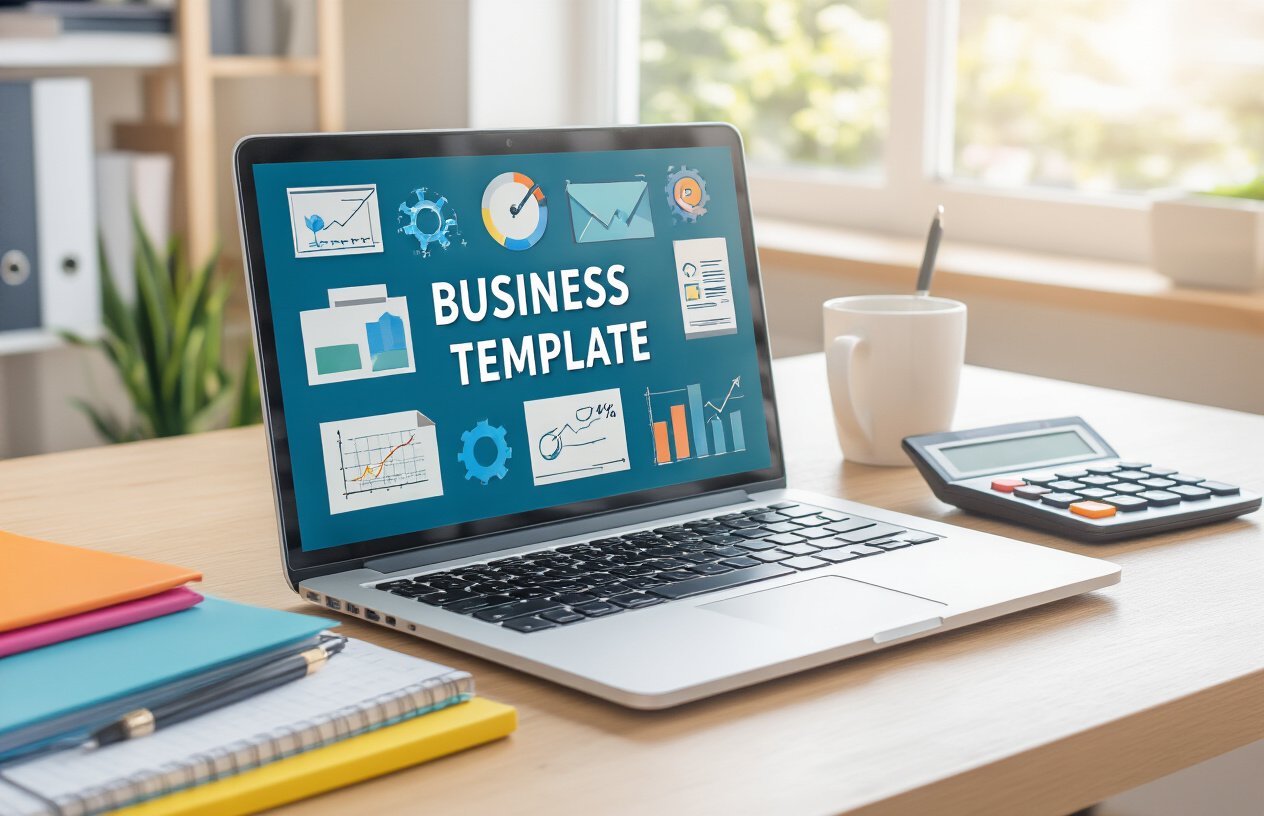
Now that we have covered the framework for writing your business plan, let’s explore the free resources available to simplify the creation process. Business plan templates provide a structured foundation that eliminates the guesswork from formatting and organization, allowing you to focus on developing your actual business strategy.
Canva Business Plan Templates
Canva offers an extensive collection of free, editable business plan templates that cater to different business needs and presentation styles. Their template gallery includes simple business plan formats ideal for brainstorming sessions, as well as corporate-style templates perfect for formal investor meetings. For startups seeking investment, Canva provides detailed project plan templates specifically designed for pitch presentations.
The platform’s intuitive drag-and-drop interface makes customization effortless, even for those without design experience. You can retain the original template structure and simply update the text with your business information, or completely customize the design by incorporating your branding elements, selecting from their extensive font library, and adding high-resolution stock images and icons.
Microsoft Word Business Plan Templates
Microsoft Word provides well-structured business plan templates built for clarity and credibility. These templates feature easy-to-read layouts available in various colors, fonts, and styles. The process is straightforward: browse the template collection, double-click to edit online, replace placeholder text with your business information, and enhance your content using Copilot in Word for review and refinement.
AI-Powered Business Plan Writing Tools
With the advancement of artificial intelligence, business plan creation has become more accessible through AI-powered writing assistance. Microsoft Word’s Copilot feature represents this evolution, offering intelligent content suggestions and helping transform complex business ideas into tangible, well-structured plans.
These AI tools can assist in turning your initial concepts into professional business plan format, making the writing process more efficient and ensuring comprehensive coverage of essential business elements. The integration of AI in traditional word processing platforms like Microsoft Word demonstrates how technology is revolutionizing business plan creation tools for modern entrepreneurs.
Spreadsheet Tools for Financial Modeling
While the reference content doesn’t provide specific details about spreadsheet tools for financial modeling, the templates mentioned from both Canva and Microsoft Word can be complemented with built-in financial planning sections. These templates often include structured layouts for presenting financial projections, making them suitable for comprehensive business plan creation that encompasses both narrative and numerical elements.
The ability to save and share these business plans as PDFs or through shareable links ensures that your financial models and business strategies can be easily distributed to stakeholders, investors, and team members for collaborative review and feedback.
Common Beginner Mistakes and How to Avoid Them

Over-Relying on Generic Templates Without Personalization
One of the most common pitfalls when creating a business plan is treating templates as a one-size-fits-all solution. While templates provide excellent structure and guidance, overusing standard templates without customization can severely undermine your plan’s effectiveness.
The fundamental issue lies in viewing templates as complete frameworks rather than starting points. Every business has unique needs, challenges, and market positions that require specific attention. When you rely too heavily on generic templates, your business plan becomes indistinguishable from countless others, failing to capture what makes your venture special.
To avoid this mistake, customize any templates extensively to reflect your business type and industry requirements. For example, a B2B business operates vastly differently from a B2C business, requiring different sections and emphases in the plan. Similarly, a tech startup in India will have different regulatory considerations and market dynamics compared to a manufacturing business.
Focus on clarity and relevance rather than simply filling in template blanks. Remove sections that don’t apply to your business and add detailed explanations for areas critical to your success. Remember, investors and lenders can easily spot generic, template-driven content, which signals that you haven’t thoroughly thought through your business model.
Writing Financial Projections Based on Wishful Thinking
Financial forecasting represents one of the most critical yet commonly mishandled aspects of business planning. The mistake of creating overly optimistic projections based on wishful thinking rather than realistic market analysis can destroy your credibility with investors and leave you unprepared for actual business challenges.
Unrealistic financial projections typically manifest as sales that start from zero and skyrocket off the charts within unreasonably short timeframes. While everyone dreams of explosive growth, such scenarios rarely occur in reality. When your financial forecast appears too good to be true, it usually is, and experienced investors will immediately recognize these red flags.
The key to developing credible financial projections lies in grounding them in research and realistic assumptions. Start with general market benchmarks and competitive analysis to establish baselines for your business. Even without exact numbers initially, you can work with reasonable assumptions that reflect industry standards and market conditions.
Maintain cautious optimism rather than blind positivity. Hope for the best but plan for realistic scenarios, including potential delays in building audience and achieving profitability. Investors actually appreciate realistic approaches as they demonstrate your understanding of market challenges and your ability to assess risk accurately.
Ensure consistency across all financial documents – your sales forecasts should align with revenue projections mentioned elsewhere in your plan. Include complete financial information covering Profit and Loss, Cash Flow, and Balance Sheet projections to provide a comprehensive financial picture.
Treating the Business Plan as a One-Time Document
Perhaps the most damaging misconception about business planning is viewing it as a one-time exercise that’s completed and then forgotten. This approach fundamentally misunderstands the purpose and value of business planning, treating it as a checkbox item rather than a dynamic management tool.
Business environments and markets change rapidly, especially in India’s evolving economic landscape. What seems accurate during the planning phase may become obsolete by the time you actually launch your business. If you write your plan once and never revisit it, you’re essentially flying blind as your business develops.
The real value of business planning lies not in creating a perfect document but in the ongoing process of critical thinking and strategic development. Regular updates and revisions ensure your plan remains relevant and continues serving as an effective roadmap for decision-making.
Incorporate plan reviews into your regular business meetings and workflow. This practice helps you set new goals, adjust strategies based on actual performance, and maintain realistic budgets that support healthy growth. Your business plan should evolve alongside your business, reflecting new market insights, competitive changes, and operational learnings.
Use your updated plan as a performance management tool by comparing forecasts to actual results. This comparison helps you identify trends, adjust strategies proactively, and make informed decisions about expansion, funding, or operational changes. Without this ongoing management approach, you’re left guessing about your business direction and may miss critical opportunities for growth or improvement.
Remember, never revisiting your business plan essentially means not using it to manage your business effectively, which undermines the entire purpose of creating one in the first place.
Leveraging AI for Modern Business Planning

Benefits of AI-Powered Business Plan Generators
AI-powered business plan generators have revolutionized the way entrepreneurs approach business plan creation tools, offering unprecedented advantages for those seeking to develop professional documentation. These intelligent platforms eliminate the traditional complexities of business plan development, transforming what once took weeks into a process that can be completed in minutes.
The most significant benefit lies in time efficiency. Traditional business plan writing often requires 82+ hours of research, writing, and formatting, but AI tools like Venturekit can reduce this to a matter of minutes while maintaining professional quality standards. This dramatic time reduction allows entrepreneurs to focus on executing their vision rather than getting bogged down in documentation.
AI generators also ensure comprehensive coverage by automatically including all essential business plan components. They eliminate the guesswork of what sections to include, providing structured frameworks that cover everything from financial forecasts to market research. This systematic approach significantly increases the likelihood of creating investor-ready documentation that meets professional standards.
Cost-effectiveness represents another crucial advantage. Rather than hiring expensive consultants or spending countless hours on DIY approaches, AI tools provide expert-level business plan creation at a fraction of the cost. Many platforms offer free templates and affordable premium features, making professional business planning accessible to startups and small businesses with limited budgets.
How AI Tools Enhance Speed and Structure
AI business plan generators excel at providing structured frameworks that guide users through complex business planning processes systematically. These platforms use sophisticated algorithms to generate comprehensive 28-page business plans that include all necessary sections, from executive summaries to detailed financial projections.
The speed enhancement comes from AI’s ability to process user inputs and instantly generate relevant content. Instead of staring at blank pages, entrepreneurs can input basic business information and receive professionally structured plans within minutes. This rapid generation includes automatically created financial forecasts covering revenue projections, expense planning, profit and loss statements, and balance sheets.
Structural consistency is another key enhancement. AI tools ensure that every business plan follows proven formats that investors and lenders expect. They eliminate formatting inconsistencies and ensure logical flow between sections. The platforms often provide multiple customizable themes, allowing users to select professional designs that match their industry or personal preferences.
AI generators also excel at maintaining coherence across all plan sections. They ensure that financial projections align with market research findings and that strategic objectives match operational capabilities. This internal consistency is crucial for creating credible business plans that can withstand scrutiny from potential investors or financial institutions.
Balancing Automation with Human Vision and Creativity
While AI tools provide excellent structural foundations and speed advantages, successful business planning requires balancing automation with human insight and creativity. AI-generated content serves as a sophisticated starting point, but entrepreneurs must infuse their unique vision and industry knowledge to create truly compelling business plans.
The most effective approach involves using AI for initial framework creation while reserving strategic thinking and creative elements for human input. AI excels at generating standard sections like market analysis templates and financial projection formats, but human expertise is essential for customizing these elements to reflect specific business opportunities and competitive advantages.
Entrepreneurs should leverage AI tools to handle time-consuming tasks like formatting, basic financial calculations, and structural organization, then focus their energy on refining strategic positioning, articulating unique value propositions, and developing innovative approaches that differentiate their businesses. This balanced approach combines the efficiency of automation with the authenticity of human vision.
Privacy and data security remain important considerations when using AI business plan generators. Reputable platforms like Venturekit ensure confidential handling of sensitive business information, promising not to share data or use it for training their AI systems. This security foundation allows entrepreneurs to leverage AI benefits while protecting proprietary business concepts and strategies.
Writing a business plan in India doesn’t have to be an intimidating process reserved for corporate experts. By following the structured approach outlined in this guide—from validating your business idea and choosing the right format to leveraging modern AI tools—you can transform your entrepreneurial vision into a compelling, actionable document. Whether you’re seeking funding, planning your strategy, or simply organizing your thoughts, a well-crafted business plan serves as your roadmap to success.
The business landscape of 2026 offers unprecedented opportunities for Indian entrepreneurs, and the tools available today make professional planning more accessible than ever. Start with validation, choose the format that suits your needs, avoid common pitfalls, and don’t hesitate to leverage AI-powered platforms to streamline the process. Your business plan isn’t just a document—it’s the foundation that will guide your venture from idea to reality. Take the first step today and begin building the structured foundation your business deserves.