What is the emergency fund?

Please briefly explain why you feel this question should be reported.
Please briefly explain why you feel this answer should be reported.
Please briefly explain why you feel this user should be reported.

You’re staring at credit card bills and an empty savings account, wondering where to put your next paycheck. The emergency fund vs debt payoff dilemma affects millions of Americans who feel stuck between building financial security and eliminating high-interest debt. This guide is for anyone juggling debt payments while trying to save money—whether you’re recovering […]
Crypto staking lets you earn passive income from your digital assets while supporting blockchain networks. If you’re an Indian crypto investor looking to generate steady returns without active trading, staking offers a compelling opportunity to put your cryptocurrency to work. This guide is designed for beginners who want to start earning crypto staking rewards in […]
Your credit score can make or break major financial decisions, and credit utilisation plays a bigger role than most people realise. If you’re wondering what credit utilisation is and why it matters so much to lenders, you’re not alone—many people don’t fully understand how this simple percentage affects their borrowing power. This guide is for […]
Hiring your first employee marks a major milestone for any small business owner. You’re moving from a one-person operation to building a real team—and that’s both exciting and scary. This guide is for small business owners and entrepreneurs ready to make their first hires or expand their existing teams. We’ll walk you through everything from […]
Starting a business in India has never been more accessible, but turning your idea into reality still requires a solid plan. This comprehensive guide shows you how to write a business plan that actually works for Indian entrepreneurs in 2026. This step-by-step business plan guide is designed for first-time entrepreneurs, startup founders, and small business […]

The 2026 global economic outlook presents a fascinating mix of AI-driven opportunities and traditional recession risks that smart investors need to navigate carefully. This comprehensive analysis is designed for investors, financial advisors, and business leaders in the USA, Canada, and Australia who want to understand how artificial intelligence, shifting monetary policies, and structural market changes […]

Struggling to concentrate at work, during studies, or while tackling daily tasks? We’ve all been there – staring at our computers while our minds wander, or reading the same paragraph three times without absorbing a word. The good news is that small lifestyle changes for better focus can make a dramatic difference in how well […]

The AI gold rush isn’t coming—it’s already here. Right now, thousands of beginners are using simple AI tools to generate serious monthly income, with many breaking the $10K barrier faster than anyone expected. This guide is for complete beginners who want practical, proven strategies to make money with AI in 2026. You don’t need coding […]
Life throws curveballs—job loss, medical emergencies, urgent repairs—and most Indians aren’t financially prepared for them. Without an emergency fund, you’ll end up using credit cards at 36-42% interest or selling investments at a loss when you need money the most. This guide is for working professionals, freelancers, and business owners who want to build a […]

Settled a loan and watching your CIBIL score plummet? You’re not alone. Thousands of borrowers face the same challenge after choosing settlement over prolonged EMI struggles, but the good news is that CIBIL score improvement after settlement is absolutely possible with the right approach. This guide is for anyone who has recently settled a loan […]

The internet has completely transformed the way people earn money. What started as freelancing and blogging years ago has evolved into a massive digital economy filled with opportunities for creators, freelancers, entrepreneurs, students, remote workers, and even complete beginners. In 2026, side hustles are no longer just “extra income” ideas. For many people, they’ve become […]
The global demand for high-quality supplementary learning has witnessed a dramatic surge over recent years. In rapidly developing economies, traditional academic structures face massive challenges trying to keep pace with the cognitive and technological skills required for the modern global workforce. As a result, parents are increasingly looking for specialized programs that go beyond basic […]

President Trump’s latest threat to impose additional tariffs on India for continuing to import Russian oil has sent ripples through global energy markets. This move targets India’s strategic decision to maintain energy security through discounted Russian crude purchases, despite existing U.S. sanctions and trade pressures. For energy traders, policy analysts, and oil market investors, understanding […]
Good AI prompts can make or break your results, but most people waste time on prompting “hacks” that don’t actually work. This guide is for anyone using AI tools like ChatGPT, Claude, or other language models who wants to get better outputs without falling for the latest prompt influencer trends. You’ll learn practical techniques that […]

Google’s People Also Ask boxes appear in over 43% of search results, yet most marketers ignore this goldmine of SEO opportunities. PAA questions reveal exactly what your audience wants to know, giving you a direct path to featured snippets, voice search optimization, and higher rankings. This guide is for content marketers, SEO specialists, and business […]

Tired of depending on coffee to jumpstart your day? You’re not alone. Many people struggle with low energy in the morning and wonder how to wake up energised without coffee. The good news is that simple, natural morning habits can boost energy levels just as effectively as your daily cup of joe. This guide is […]
Artificial intelligence is steadily transforming creative industries, and one of its more specialised directions is erotica AI. Built on sophisticated language models, this technology can generate romantic and adult-themed stories from simple prompts. Instead of replacing authors, erotica AI serves as a creative assistant, helping users shape ideas, organise plots, and develop compelling characters with […]
Small business owners face endless marketing challenges in 2026, but email marketing offers a clear solution that cuts through the noise. While social algorithms change overnight and ad costs keep rising, your email list remains yours—a direct connection to customers that no platform can take away. This guide is for small business owners, entrepreneurs, and […]

Your credit score doesn’t stay the same from month to month, and those monthly credit score changes can feel confusing and stressful. This comprehensive guide breaks down everything you need to know about credit score fluctuations and helps you take control of your financial health. Who this guide is for: Anyone who’s noticed their credit […]

Your credit score is tanking and you need results fast. Maybe you’re trying to qualify for a mortgage, get approved for that car loan, or finally move into your dream apartment. Whatever your reason, you’re not alone – millions of Americans struggle with low credit scores that block them from financial opportunities. This guide is […]
Ready to ditch the 9-to-5 and build something that’s truly yours? This freelancer’s guide to starting a one-person business shows you exactly how to transform your skills into a profitable solo venture in 2026. This blueprint is designed for ambitious freelancers, side hustlers looking to go full-time, and anyone who wants to escape the traditional […]
Most Indians work hard but stay financially stressed because they rely on just one income source. The traditional advice of “save more, spend less” only gets you so far when your salary barely keeps up with rising costs. The passive income secrets that actually work in 2026 aren’t the typical “make money while you sleep” […]
AI email assistants have gone from tech novelty to daily necessity, but choosing between Gmail AI vs Outlook AI feels overwhelming when you’re drowning in messages. This guide is for busy professionals, small business owners, and anyone who processes 50+ emails daily and wants to reclaim their time without switching their entire workflow. Smart email […]

Closing old credit cards can tank your credit score in ways most people don’t expect. This guide is for anyone considering cancelling old cards, whether you’re decluttering your wallet or avoiding annual fees. Your credit score takes a hit primarily because closing credit cards affects your credit utilisation ratio. When you lose that available credit […]
Cryptocurrency investing in India is growing rapidly, but many new investors make costly mistakes that could have been avoided with better preparation. This guide is designed for beginners and intermediate investors who want to build a profitable crypto portfolio while staying safe and compliant with Indian regulations. New crypto investors often lose money because they […]

Why Audience Understanding is Non-Negotiable Creating content without understanding your audience is like shooting arrows in the dark – you might occasionally hit something, but most efforts miss their mark entirely. Audience understanding forms the bedrock of effective content strategy, transforming generic information into powerful messaging that resonates. When you deeply understand your audience, you […]
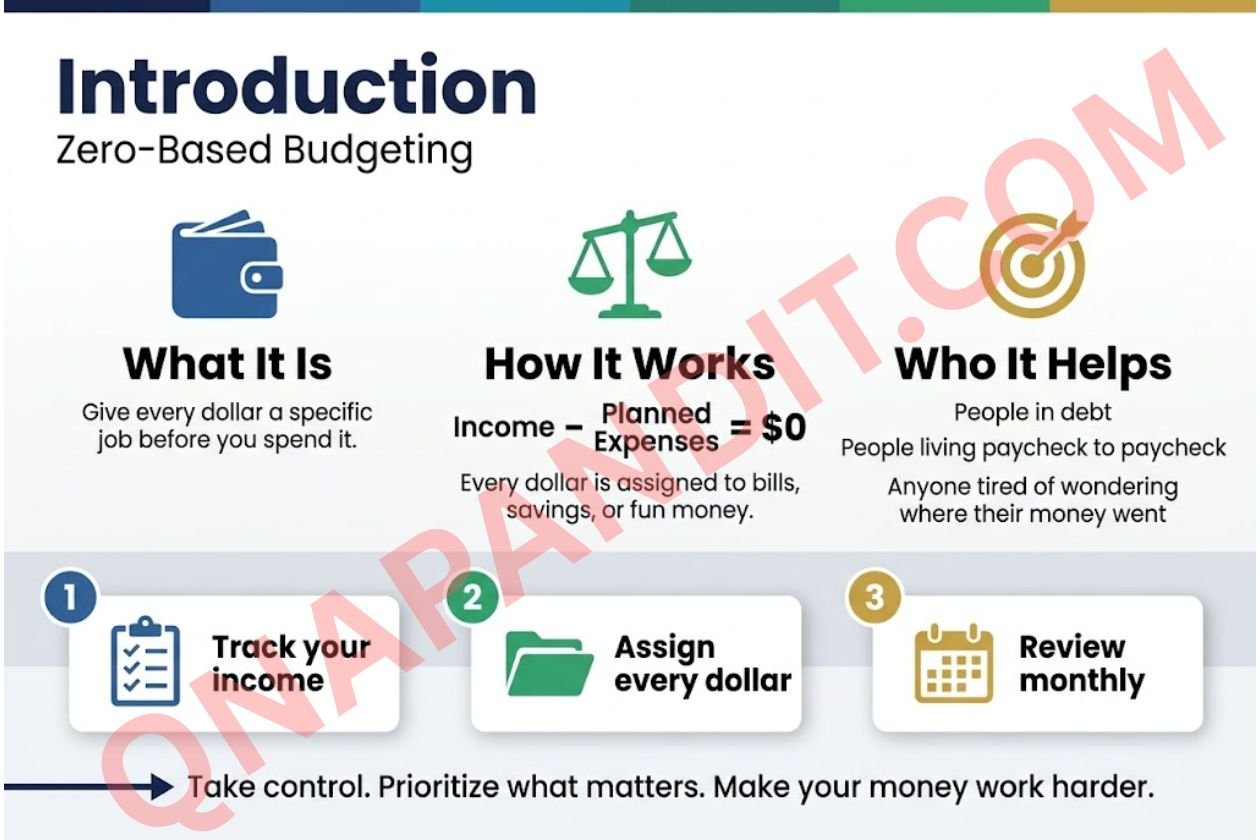
Zero-based budgeting is a simple money management strategy where you give every dollar of your income a specific job before you spend it. This method works great for anyone who wants to take complete control of their finances—whether you’re drowning in debt, barely making ends meet, or just tired of wondering where your paycheck went […]
Most bloggers are leaving serious money on the table by ignoring one of Google’s most visible features. If you’re a content creator, digital marketer, or business owner struggling to increase organic traffic despite publishing consistently, you’re not alone. Over 80% of blogs fail within 18 months, and one major reason is overlooking People Also Ask […]
An emergency fund is a financial safety net that individuals set aside to cover unexpected expenses or financial emergencies without having to rely on high-interest debt or liquidating investments. It typically consists of 3 to 6 months' worth of living expenses saved in a readily accessible accountRead more
An emergency fund is a financial safety net that individuals set aside to cover unexpected expenses or financial emergencies without having to rely on high-interest debt or liquidating investments. It typically consists of 3 to 6 months’ worth of living expenses saved in a readily accessible account.
Explanation:
1. Importance of Emergency Fund:
– An emergency fund is crucial because it provides financial security during unexpected situations like job loss, medical emergencies, car repairs, or home maintenance issues.
– It helps individuals avoid going into debt or dipping into long-term investments when faced with unforeseen expenses.
2. Building an Emergency Fund:
– Financial experts recommend saving at least 3 to 6 months’ worth of living expenses in an easily accessible account like a savings account or a money market account.
– Start by setting a realistic savings goal based on your monthly expenses and gradually build up the fund over time.
3. Tips for Managing an Emergency Fund:
– Treat the fund as off-limits for regular expenses and only use it for genuine emergencies.
– Periodically review and adjust the fund size based on changes in your financial situation.
– Consider automating contributions to the fund each month to ensure consistent saving.
4. Benefits of an Emergency Fund:
– Peace of mind knowing you have a financial cushion in case of emergencies.
– Reduced financial stress and the ability to handle unexpected expenses without derailing your financial goals.
5. **Conclusion
See less