What are the common budgeting mistakes to avoid?

Please briefly explain why you feel this question should be reported.
Please briefly explain why you feel this answer should be reported.
Please briefly explain why you feel this user should be reported.
You’re staring at credit card bills and an empty savings account, wondering where to put your next paycheck. The emergency fund vs debt payoff dilemma affects millions of Americans who feel stuck between building financial security and eliminating high-interest debt. This guide is for anyone juggling debt payments while trying to save money—whether you’re recovering […]

Google’s People Also Ask boxes appear in over 43% of search results, yet most marketers ignore this goldmine of SEO opportunities. PAA questions reveal exactly what your audience wants to know, giving you a direct path to featured snippets, voice search optimization, and higher rankings. This guide is for content marketers, SEO specialists, and business […]

Your credit score doesn’t stay the same from month to month, and those monthly credit score changes can feel confusing and stressful. This comprehensive guide breaks down everything you need to know about credit score fluctuations and helps you take control of your financial health. Who this guide is for: Anyone who’s noticed their credit […]
Getting found online shouldn’t feel impossible for small business owners in India. When someone searches “dentist near me” or “best restaurant in Koramangala,” your business deserves to show up first – not buried on page two where nobody looks. Local SEO for Indian SMBs is your roadmap to dominating search results in your area. This […]
Starting an online business in India doesn’t need to break your bank account. With just ₹50,000, you can launch a profitable venture from your home and tap into India’s booming digital economy. This guide is perfect for college students, working professionals seeking side income, and aspiring entrepreneurs who want to start small and scale smartly. […]
Small business owners know they need a strong social media presence, but many worry about the costs. The truth is, you don’t need a massive marketing budget to succeed on social platforms. Smart small business social media strategies can deliver real results without breaking the bank. This guide is for small business owners, entrepreneurs, and […]
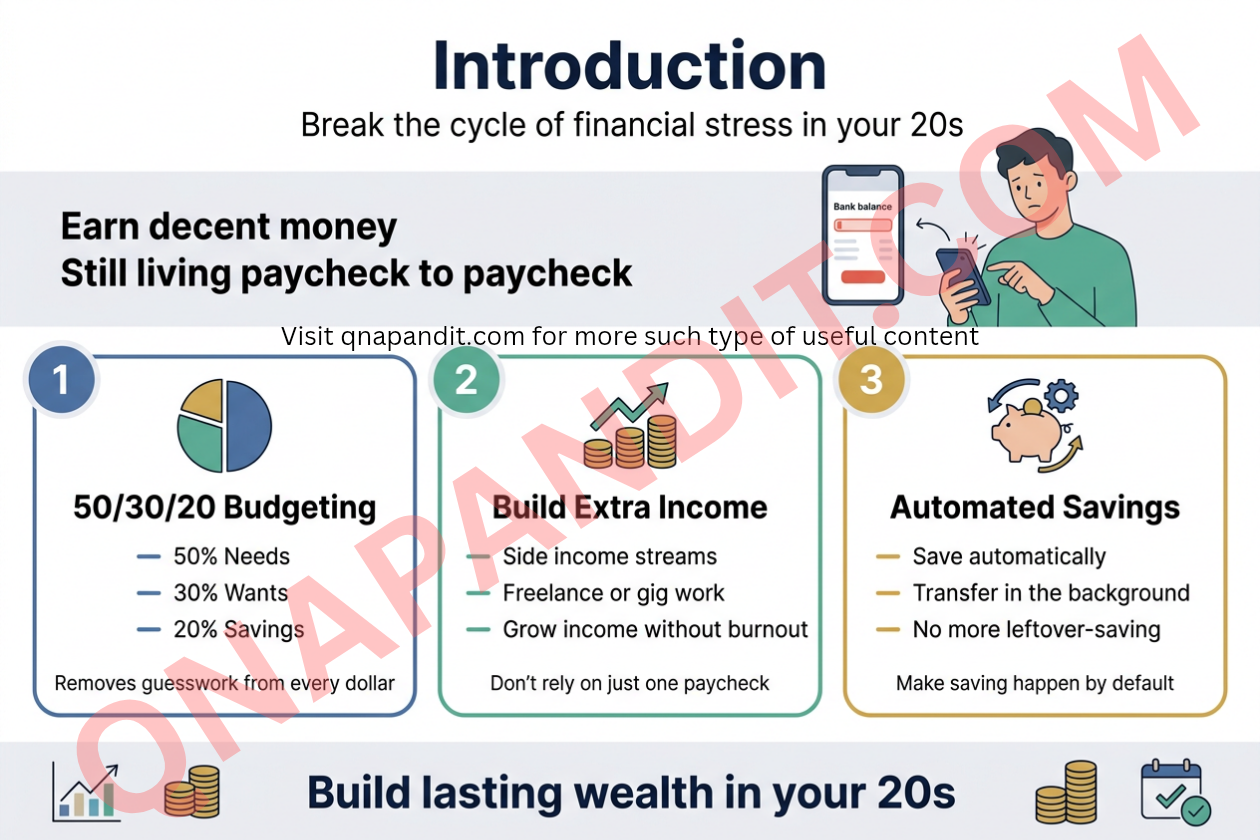
Most twenty-somethings earn decent money but still live paycheck to paycheck. They watch their bank account hover near zero while wondering why wealth building in their 20s feels impossible for them, but easy for others. This guide is for young adults who want to break the cycle of financial stress and join the small group […]

Package delivery scams are exploding as more Americans shop online and expect regular deliveries. These scams target anyone waiting for packages, using fake delivery notifications and phishing delivery emails to steal your money and personal information. You’re especially vulnerable if you frequently order online, live in an apartment complex, or recently made purchases from unfamiliar […]

Closing old credit cards can tank your credit score in ways most people don’t expect. This guide is for anyone considering cancelling old cards, whether you’re decluttering your wallet or avoiding annual fees. Your credit score takes a hit primarily because closing credit cards affects your credit utilisation ratio. When you lose that available credit […]

Tired of depending on coffee to jumpstart your day? You’re not alone. Many people struggle with low energy in the morning and wonder how to wake up energised without coffee. The good news is that simple, natural morning habits can boost energy levels just as effectively as your daily cup of joe. This guide is […]
Starting a blog feels like launching into uncharted territory. You’re ready to share your expertise with the world, but one wrong move can waste months of effort and hundreds of dollars. This guide is for aspiring bloggers and business owners who want to build a successful blog from day one. We’ll walk through how to […]
Ready to take control of your money in 2026? Zero-based budgeting might be exactly what you need to finally see where every dollar goes. This 2026 budget planner for beginners will show you how zero-based budgeting works – a simple method where your income minus expenses equals zero every month. Don’t worry, that doesn’t mean […]
Most bloggers are leaving serious money on the table by ignoring one of Google’s most visible features. If you’re a content creator, digital marketer, or business owner struggling to increase organic traffic despite publishing consistently, you’re not alone. Over 80% of blogs fail within 18 months, and one major reason is overlooking People Also Ask […]

Small business owners face a growing number of cyber threats that can devastate operations, finances, and reputation. This comprehensive guide is designed for entrepreneurs, small business owners, and team leaders who need practical cybersecurity solutions without breaking the bank or requiring technical expertise. Cybercriminals increasingly target small businesses because they often lack robust security measures. […]

How to Choose a Domain When Your Perfect Name Is Taken Finding out your dream domain name taken can feel like a punch to the gut. You’ve brainstormed the perfect name for your business or blog, only to discover someone else got there first. This guide is for entrepreneurs, bloggers, and anyone launching a website […]

Finding Your Perfect Profitable Blogging Niche for 2026: A Strategic Guide Choosing the right blogging niche can make or break your online success. Many new bloggers jump in without research, only to discover their topic has no audience or money-making potential. This guide is for aspiring bloggers, content creators switching niches, and anyone wanting to […]
Your credit score is tanking and you need results fast. Maybe you’re trying to qualify for a mortgage, get approved for that car loan, or finally move into your dream apartment. Whatever your reason, you’re not alone – millions of Americans struggle with low credit scores that block them from financial opportunities. This guide is […]
Small business owners face endless marketing challenges in 2026, but email marketing offers a clear solution that cuts through the noise. While social algorithms change overnight and ad costs keep rising, your email list remains yours—a direct connection to customers that no platform can take away. This guide is for small business owners, entrepreneurs, and […]
A poor credit score can cost you thousands of dollars in higher interest rates and limit your access to loans, apartments, and even some jobs. If you’re dealing with bad credit from past mistakes, preparing for a major purchase, or simply want to improve your financial standing, this 90-day credit improvement plan can help you […]

Making money online in 2026 isn’t about overnight riches or shiny get-rich-quick schemes. The real opportunities exist for people who want sustainable income streams they can actually count on. This guide is for anyone tired of the hype – freelancers looking to diversify their income, professionals wanting to build passive revenue, or entrepreneurs ready to […]

AI email assistants have gone from tech novelty to daily necessity, but choosing between Gmail AI vs Outlook AI feels overwhelming when you’re drowning in messages. This guide is for busy professionals, small business owners, and anyone who processes 50+ emails daily and wants to reclaim their time without switching their entire workflow. Smart email […]

Your hobby feels more like an escape from work than just a weekend activity. We get it—that creative spark or hands-on satisfaction you find in photography, cooking, woodworking, or whatever gets you excited might actually be pointing toward your next career move. This guide is for anyone tired of watching the clock at their day […]

SEO success in 2026 demands more than traditional keyword stuffing and link building. You need tools that can navigate AI-powered search engines, track your brand’s visibility in ChatGPT responses, and optimise for Google’s AI Overviews alongside classic organic rankings. This guide is designed for digital marketers, content creators, SEO professionals, and business owners who want […]

The internet has completely transformed the way people earn money. What started as freelancing and blogging years ago has evolved into a massive digital economy filled with opportunities for creators, freelancers, entrepreneurs, students, remote workers, and even complete beginners. In 2026, side hustles are no longer just “extra income” ideas. For many people, they’ve become […]
You’ve got money to manage, but you’re stuck on a big question: Should you build an emergency fund or start investing first? This decision stumps many people, especially young adults and new earners who want to grow wealth but also need financial security. You know investing can make your money grow over time, but emergencies […]
Cryptocurrency investing in India is growing rapidly, but many new investors make costly mistakes that could have been avoided with better preparation. This guide is designed for beginners and intermediate investors who want to build a profitable crypto portfolio while staying safe and compliant with Indian regulations. New crypto investors often lose money because they […]

Why Audience Understanding is Non-Negotiable Creating content without understanding your audience is like shooting arrows in the dark – you might occasionally hit something, but most efforts miss their mark entirely. Audience understanding forms the bedrock of effective content strategy, transforming generic information into powerful messaging that resonates. When you deeply understand your audience, you […]

In recent years, financial entrepreneur Timur Turlov has attracted attention in the global finance sector as the founder and CEO of Freedom Holding Corp. As financial markets become more interconnected and technology reshapes how investors access global exchanges, companies like Freedom Holding represent a broader shift toward modern, digital-driven financial services. Freedom Holding Corp. operates […]
Common budgeting mistakes to avoid include: 1. Not Creating a Detailed Budget: Failing to establish a comprehensive budget can lead to overspending, missed savings opportunities, and financial insecurity. 2. Underestimating Expenses: Many people only consider fixed expenses like rent or mortgage payRead more
Common budgeting mistakes to avoid include:
1. Not Creating a Detailed Budget: Failing to establish a comprehensive budget can lead to overspending, missed savings opportunities, and financial insecurity.
2. Underestimating Expenses: Many people only consider fixed expenses like rent or mortgage payments, but forget about irregular expenses like car repairs or medical bills. It’s crucial to account for all potential expenses.
3. Ignoring Emergency Funds: Not setting aside money for unexpected emergencies can derail your financial goals when unforeseen expenses arise.
4. Failing to Track Spending: Without monitoring your expenses regularly, it’s easy to lose control of your budget. Tracking your spending helps identify areas where you can cut back or save more.
5. Relying on Credit Cards: Depending on credit cards to cover budget shortfalls can lead to high-interest debt that becomes difficult to pay off, creating a cycle of financial stress.
6. Overlooking Small Expenses: While small purchases may seem insignificant, they can add up over time and sabotage your budget. Being mindful of even minor expenses is essential for staying on track.
7. Not Reviewing and Adjusting Your Budget: Circumstances change, so it’s essential to regularly review your budget and make necessary adjustments to ensure it aligns with your financial goals.
8. Forgetting Long-term Financial Planning: Focusing solely on immediate financial needs without considering long-term goals like retirement savings or investments can hinder your overall financial well-being.
It’s
See less