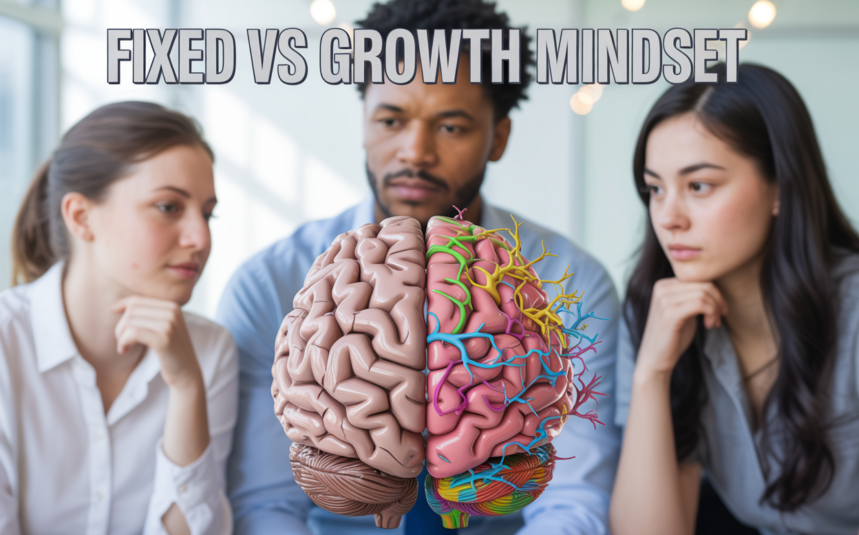
Your mindset shapes everything—from how you handle setbacks to whether you even try new things. This deep dive is for entrepreneurs, business leaders, and anyone curious about growth mindset vs fixed mindset psychology who wants to understand which approach actually drives success.
Many people believe talent and intelligence are set in stone. But research shows your brain is more flexible than you think. A growth mindset gives entrepreneurs a real competitive edge, while a fixed mindset can keep you stuck repeating the same patterns.
We’ll explore the fundamental differences between these two approaches and why growth-oriented thinking matters for business success. You’ll discover how the brain plasticity mindset actually changes your neural pathways and learn practical growth mindset strategies you can start using today. Finally, we’ll cover how to build a growth-minded environment that supports long-term success for you and your team.
Understanding the Fundamental Difference Between Growth and Fixed Mindsets

How Growth Mindset Views Intelligence and Abilities as Learnable
Someone with a growth mindset vs a fixed mindset views intelligence, abilities, and talents as learnable and capable of improvement through effort. This mindset psychology is based on the belief that your basic qualities are things you can cultivate through your efforts, creating a powerful passion for learning and prioritising getting better over constantly proving how great you are.
Why Fixed Mindset Sees Traits as Unchangeable and Static
Someone with a fixed mindset views intelligence, abilities, and talents as inherently stable and unchangeable over time. If you believe your qualities are unchangeable, you will want to prove yourself correct over and over rather than learning from your mistakes. Challenging situations can be catastrophic for those with fixed mindset disadvantages, as they imply no chance of improvement if skills are not already present.
The Real-World Impact of Your Mindset on Daily Decisions
Your view of yourself can determine everything, affecting what you want and whether you succeed in getting it. Carol Dweck’s work highlights how conscious and unconscious thoughts, or mindsets, affect us and guide our behaviour. A fixed mindset can lead to a constant need to prove oneself in the classroom, careers, and relationships, evaluating every situation as a win/fail or smart/dumb scenario.
Conversely, developing a growth mindset fosters a powerful passion for learning, stretching oneself, and persisting even when things are not going well. This growth-oriented thinking allows people to thrive during challenging times, creating an entrepreneurial mindset that views setbacks as opportunities for growth rather than permanent limitations.
Why Growth Mindset Gives Entrepreneurs a Competitive Edge

Breaking Free from Your Past to Enter New Industries
A growth mindset vs fixed mindset distinction becomes evident when entrepreneurs transition into new fields. This entrepreneurial mindset enables individuals to believe their past doesn’t define their future, opening doors to unexplored opportunities. Indya Wright exemplifies this principle – successfully launching her public relations firm after working as a commercial banker by believing she could learn the necessary skills.
Building Resilience to Overcome Setbacks and Failures
Developing growth mindset principles transforms how entrepreneurs handle adversity. This mindset allows individuals to perceive mistakes as learning opportunities rather than personal failures. Growth-oriented thinking produces the perseverance and resilience that creativity researchers identify as the primary ingredient in creative achievement, helping entrepreneurs face challenges with determination.
Using Feedback to Continuously Improve Your Products
The iterative nature of entrepreneurship aligns perfectly with growth mindset strategies. While fixed mindset disadvantages include viewing negative feedback as personal inadequacy, growth-minded entrepreneurs embrace constructive criticism. This mindset transformation enables them to improve product offerings continuously, turning perceived weaknesses into opportunities for creating superior solutions.
Staying Humble and Open to Learning Opportunities
Growth mindset psychology reinforces that continuous learning remains essential throughout the entrepreneurial journey. This humility prevents stagnation and encourages regular reassessment of product-market fit as customer needs evolve. By maintaining openness to learning, entrepreneurs avoid missing crucial opportunities to grow alongside their target audience.
How Your Brain Physically Responds to Different Mindsets

The Science Behind How Fixed Mindset Blocks Learning from Mistakes
Research by Carol Dweck reveals a striking neurological difference in how fixed-mindset individuals process errors. Students with a fixed mindset showed minimal brain activity when reviewing their mistakes on tests, actively avoiding engagement with their errors. This neurological withdrawal creates a physical barrier to learning, as the brain literally shuts down processing when confronted with mistakes, preventing the formation of new neural pathways essential for growth.
Why Growth Mindset Creates Active Neural Processing During Challenges
In stark contrast, students with a growth mindset demonstrated robust neural activity when examining their errors. Dweck described their brains as being “on fire with yet,” actively processing mistakes, learning from them, and making corrections. This heightened brain plasticity mindset enables continuous learning and adaptation, creating stronger neural connections that support long-term skill development and resilience in facing entrepreneurial challenges.
Practical Strategies to Develop Your Growth Mindset

Embracing Challenges as Learning Opportunities
View challenges not as obstacles but as opportunities to learn and grow. Start by tackling small challenges to build confidence and resilience, gradually taking on bigger ones. This systematic approach helps entrepreneurs develop the crucial mindset transformation needed for long-term success.
Celebrating Effort and Process Over Just Outcomes
Shift your focus from praising only successful outcomes to recognising and rewarding consistent effort. Understand that sustained effort is the key to mastery, and celebrate small victories and incremental progress as vital steps toward larger goals. Praise the process—effort, strategies, focus, perseverance, and improvement—to foster hardy and resilient individuals who embody growth-oriented thinking.
Cultivating Curiosity and Continuous Learning Habits
Maintain a strong sense of curiosity and a continuous willingness to learn. This involves reading about new industry trends, attending workshops, and seeking insights from peers, all of which contribute to ongoing growth and adaptability. Developing these growth mindset strategies ensures entrepreneurs stay competitive in rapidly evolving markets.
Prioritising Knowledge Gain Over Seeking Approval
Focus on what you can learn in every situation rather than seeking validation from others. This perspective reduces the fear of judgment, allowing you to pursue more ambitious and innovative projects freely. By prioritising knowledge over approval, entrepreneurs can overcome fixed mindset disadvantages and embrace the neuroplasticity principles that drive entrepreneurial mindset development.
Building a Growth-Minded Environment for Long-Term Success

Surrounding Yourself with Growth-Oriented People
Building a network of peers, mentors, and collaborators who possess a growth mindset creates an environment that accelerates personal and professional development. These growth-oriented individuals serve as inspirational models whose attitudes and behaviours naturally challenge you to expand your capabilities and embrace continuous learning.
Setting Learning Goals and Tracking Progress
To solidify your commitment to developing growth mindset strategies, establish specific learning goals and diligently monitor your progress. This structured approach ensures you acquire new knowledge and effectively apply it to improve your business or skills, creating measurable advancement in your mindset transformation journey.
Using Proper Language to Reinforce Growth Thinking
Employ language that promotes growth-oriented thinking by incorporating words like “yet” or “not yet” to instil confidence and signify future learning paths. Rather than praising innate intelligence or talent, focus on acknowledging effort, strategies, focus, perseverance, and improvement to foster a mindset centred on continuous development.
Maintaining Your Growth Mindset Through Ongoing Education
Actively seek opportunities for continuous learning through networking, knowledge sharing with professionals, and engaging in creative problem-solving with peers. Regular reading, brainstorming sessions, and online courses provide accessible ways to reinforce your belief in acquiring new skills for entrepreneurial success while exposing yourself to innovative practices.

The science is clear: a growth mindset doesn’t just win—it transforms how you approach every challenge, setback, and opportunity in your entrepreneurial journey. While a fixed mindset keeps you trapped in the “tyranny of now,” constantly seeking validation and avoiding risks, a growth mindset opens up the “power of yet”—the understanding that your current abilities are simply your starting point, not your ceiling. The neurological evidence shows that people with growth mindsets literally process mistakes differently, with their brains actively engaging to learn from errors rather than shutting down.
Your mindset isn’t just a nice-to-have personal development concept—it’s the foundation that determines whether you’ll iterate on feedback, pivot when necessary, and persist through the inevitable challenges of building a business. By embracing challenges, celebrating effort over outcomes, and surrounding yourself with growth-minded people, you’re not just changing how you think; you’re rewiring your brain for entrepreneurial success. The question isn’t whether you can develop the skills needed to succeed—it’s whether you believe you can, and then commit to putting in the work to make it happen.