Settled a loan and watching your CIBIL score plummet? You’re not alone. Thousands of borrowers face the same challenge after choosing settlement over prolonged EMI struggles, but the good news is that CIBIL score improvement after settlement is absolutely possible with the right approach.
This guide is for anyone who has recently settled a loan or credit card debt and wants to rebuild their credit score fast. Whether you settled due to financial hardship or strategic reasons, you can restore your creditworthiness in just 6 months using proven credit repair methods.
We’ll walk you through the immediate steps to minimise settlement impact on your credit rating, including how to negotiate with lenders and document your settlement properly. You’ll also discover strategic credit repair methods that work fast, from secured credit cards to credit builder loans that can jumpstart your recovery. Finally, we’ll cover smart payment strategies for rapid score improvement and advanced techniques that can accelerate your progress beyond basic credit repair.
Your settlement doesn’t have to define your financial future. Let’s get your credit back on track.
Understanding Settlement Impact on Your CIBIL Score

How settlements appear on your credit report
Settlements show up as “Settled” or “Settled for Less Than Full Amount” on your CIBIL report, creating a negative mark that stays visible for seven years. Credit bureaus also record the settlement amount and date, making it clear to future lenders that you didn’t pay the full debt amount. This status appears across all three major credit bureaus and significantly impacts your creditworthiness.
Typical score damage from debt settlements
CIBIL score improvement after settlement becomes challenging because settlements typically cause a 50-100 point drop in your credit score. The actual damage depends on your starting score, total debt amount, and payment history before settlement. Higher scores face steeper drops, while accounts with existing late payments see relatively smaller decreases.
| Pre-Settlement Score | Typical Score Drop | Post-Settlement Range |
|---|---|---|
| 750-850 | 100-150 points | 600-700 |
| 650-749 | 75-125 points | 525-625 |
| 550-649 | 50-100 points | 450-550 |
Timeline expectations for score recovery
Credit settlement recovery strategies require patience as scores typically take 12-24 months to show meaningful improvement. The first 6 months focus on damage control and establishing new positive payment patterns. Most people see 50-75 point improvements within the first year if they implement consistent, fast credit score improvement techniques.
Recovery speed varies based on your overall credit profile and the actions you take post-settlement. Multiple settlements create longer recovery periods, while single settlements with otherwise clean credit histories bounce back faster.
Difference between settlement and charge-off status
Charge-offs occur when creditors write off debt as uncollectable after 120-180 days of non-payment, while settlements happen when you negotiate to pay less than the full amount owed. Charge-offs remain unpaid and continue accruing interest, creating ongoing collection attempts. Settlements close the account permanently but still show negative payment history, makingrebuildingd credit history after settlement efforts more manageable than dealing with active charge-offs.
Immediate Actions to Take After Settlement

Obtain updated credit reports from all bureaus.
Start by requesting your credit reports from all four major bureaus – CIBIL, Experian, Equifax, and CRIF High Mark. Many people only check CIBIL, but lenders often pull reports from different bureaus. Each bureau might have slightly different information about your settlement, so getting all four reports gives you the complete picture of where you stand.
Verify settlement details are accurately recorded
Check that your settlement shows up correctly on all reports. The status should read “settled” rather than “written off” or “defaulted.” Make sure the settlement amount and date match your agreement documents. If you spot any errors, file disputes immediately with the credit bureaus. Wrong information can hurt your CIBIL score improvement after settlement efforts and slow down your credit repair timeline.
Collect settlement confirmation documents.
Keep all your settlement paperwork organised and easily accessible. This includes the No Objection Certificate (NOC), settlement letter from the lender, payment receipts, and email confirmations. These documents prove you’ve fulfilled your settlement obligations and can help resolve any future disputes. Store both physical and digital copies in a dedicated folder for quick reference during your credit rebuilding journey.
Create a systematic credit rebuilding plan.
Map out your next six months with specific monthly goals for rebuilding credit history after settlement. Set targets for new credit applications, payment schedules, and score milestones. Break down your plan into weekly action items like applying for secured credit cards, making utility payments on time, and monitoring your credit reports. Having a structured approach makes fast credit score improvement techniques more effective than random efforts.
Strategic Credit Repair Methods That Work Fast

Dispute inaccurate information on your report
Start by obtaining your detailed CIBIL report and scrutinising every entry with a magnifying glass. Look for accounts that don’t belong to you, incorrect settlement amounts, or duplicate entries that artificially drag down your score. File formal disputes online through CIBIL’s portal, providing supporting documentation for each contested item. The credit bureau has 30 days to investigate and respond, often resulting in quick score improvements when errors are removed.
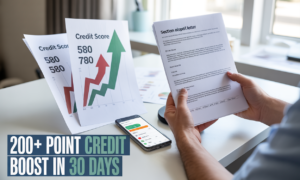
Request goodwill letters from settled creditors.
Reach out to creditors you’ve settled with and request goodwill deletion letters, especially if you’ve maintained a clean payment history afterwards. Writepersonalisedd letters explaining your financial hardship circumstances and demonstrating your commitment to rebuilding credit responsibly. Many creditors will remove negative remarks as a gesture of goodwill, particularly for customers who settled in full and can show genuine efforts toward credit rehabilitation.
Negotiate the removal of negative remarks.
Contact your settled creditors directly to negotiate “pay-for-delete” agreements or partial removals of negative entries. Even after settlement, you can still negotiate with creditors who may be willing to update your credit report status from “settled” to “closed” or remove the entry entirely. Document all agreements in writing before making any additional payments, as verbal promises won’t protect you if creditors fail to follow through on their commitments.
Focus on removing duplicate entries.s
Duplicate accounts can severely impact your CIBIL score improvement after settlement, so identify and challenge every repeated entry on your report. Credit bureaus sometimes list the same debt multiple times under different account numbers or creditor names, creating an artificially negative picture of your credit history. File separate dispute requests for each duplicate, providing clear evidence that these represent the same underlying debt to accelerate removal and boost your score quickly.
Building New Positive Credit History Quickly

Apply for secured credit cards with low deposits
Secured credit cards offer the fastest path rebuildingild credit history after settlement. Banks like HDFC and SBI offer secured cards with deposits as low as ₹10,000, reporting your payment activity to CIBIL within 30 days. Choose cards that convert to unsecured versions after 6-12 months of responsible use, creating a seamless transition to better credit products.
Become an authorised user on family member accounts.
Getting added as anauthorisedd user on a family member’s well-maintained credit card instantly boosts your credit profile. The account’s entire payment history and low utilisation get reflected on your CIBIL report immediately. Select accounts with 2+ years of perfect payment history and utilisation below 30% for maximum impact on your credit score improvement after settlement.
Use credit builder loans effectively.
Credit builder loans work differently from traditional loans – you make payments first, then receive the money. NBFCs offer these products specifically for credit repair after loan settlement, with amounts ranging from ₹25,000 to ₹2 lakhs. Your consistent payments create a positive payment history while the loan amount stays secured, making this a zero-risk strategy for CIBIL score restoration.
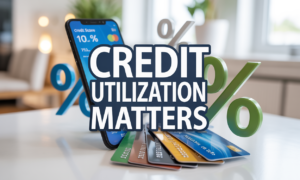
Maintain credit utilisation below 10 per cent.
Keeping credit utilisation under 10% signals responsible credit management to CIBIL algorithms. If you have a ₹50,000 credit limit, never exceed ₹5,000 in outstanding balance. Pay off balances before statement generation to show zero utilisation some months. This aggressive approach accelerates your rebuild credit score fast timeline from 6 months to potentially 4 months.
Smart Payment Strategies for Rapid Score Improvement

Set up automatic payments for all accounts.
Automatic payments eliminate the risk of missed deadlines and show lenders consistent payment behaviour. Configure autopay for at least the minimum amount on all credit cards, loans, and utility bills to maintain a spotless payment history during your CIBIL score improvement afterthe settlement journey.
Pay bills before due dates consistently.
Paying before due dates creates a buffer against processing delays and demonstrates responsible financial management. This strategy helps rebuild credit history after settlement by establishing a pattern of early payments, which credit bureaus view favourably when calculating your score.
Make multiple payments per month when possible.e
Breaking monthly payments into smaller, frequeninstalmentsts reduces your credit utilisation ratio and shows active account management. Making bi-weekly payments on credit cards keeps balances lower throughout the month, accelerating your credit repair methods and improving your score faster than single monthly payments alone.
Advanced Techniques to Accelerate Your Progress

Use credit monitoring tools for real-time tracking.g
Free credit monitoring apps like CIBIL’s official platform or third-party services give you instant alerts when your score changes. Set up notifications for new accounts, payment updates, and score fluctuations to catch errors quickly. This real-time visibility helps you spot improvements from your credit repair efforts and address issues before they worsen your CIBIL score improvement after the settlement journey.
Apply for credit limit increases strategically.
Contact existing credit card companies after 6-12 months of consistent payments to request limit increases. Higher limits instantly improve your credit utilisation ratio without opening new accounts. Target cards you’ve had longest first, as these relationships carry more weight. Space out requests by 3-4 months between different lenders to avoid multiple hard inquiries that could temporarily lower your score.
Diversify your credit mix with different account types.
A healthy credit mix accounts for 10% of your CIBIL score calculation. Add different credit types like secured credit cards, retail store cards, or small personal loans to show lenders you can handle various credit products responsibly. Start with secured options that require deposits, then gradually move to unsecured products as your creditworthiness improves through these rebuildyour credit score fast techniques.
Time new credit applications for maximum impact
Apply for new credit when your score shows upward momentum, typically 3-4 months after implementing your credit repair methods, 6 months strategy. Avoid applying during months when negative items might fall off your report, as timing matters. Bundle applications within 14-45 days if you need multiple products, since credit scoring models count multiple inquiries in this window as a single inquiry for mortgage or auto loans.
Leverage pay-for-delete agreements with collection agencies.
Negotiate written agreements where collection agencies remove negative entries in exchange for payment. This powerful technique can boost your score by 50-100 points instantly once items disappear from your report. Always get agreements in writing before paying, and follow up to ensure deletion occurs within 30-60 days. Focus on smaller collection amounts first, as these agencies are more willing to negotiate removal for quick settlements.

Getting your CIBIL score back on track after a settlement might seem like climbing a mountain, but it’s absolutely doable in six months with the right approach. The key lies in taking immediate action, using proven credit repair strategies, and consistently building new positive payment history. Smart payment timing, strategic credit usage, and advanced techniques like becoming anauthorisedd user can dramatically speed up your progress.
Your financial comeback starts today. Begin by disputing any errors on your credit report, then focus on making all payments on time while keeping credit utilisation low. Consider a secured credit card to rebuild your payment history quickly, and don’t forget to monitor your score monthly to track improvements. Six months from now, you could be looking at a significantly healthier credit score and better loan opportunities – but only if you start implementing these strategies right away.