Closing old credit cards can tank your credit score in ways most people don’t expect. This guide is for anyone considering cancelling old cards, whether you’re decluttering your wallet or avoiding annual fees.
Your credit score takes a hit primarily because closing credit cards affects your credit utilisation ratio. When you lose that available credit limit, your remaining balances suddenly represent a much larger percentage of your total credit, and lenders see high utilisation as risky.
We’ll walk you through how to calculate the real impact on your credit utilisation and show you the math behind potential score drops. You’ll also discover that closing your oldest credit card actually makes financial sense despite the temporary damage.
Finally, we’ll cover smart alternatives to closing any credit card account that can help you keep your score intact while solving your original problem.
How Closing Credit Cards Actually Impacts Your Credit Score
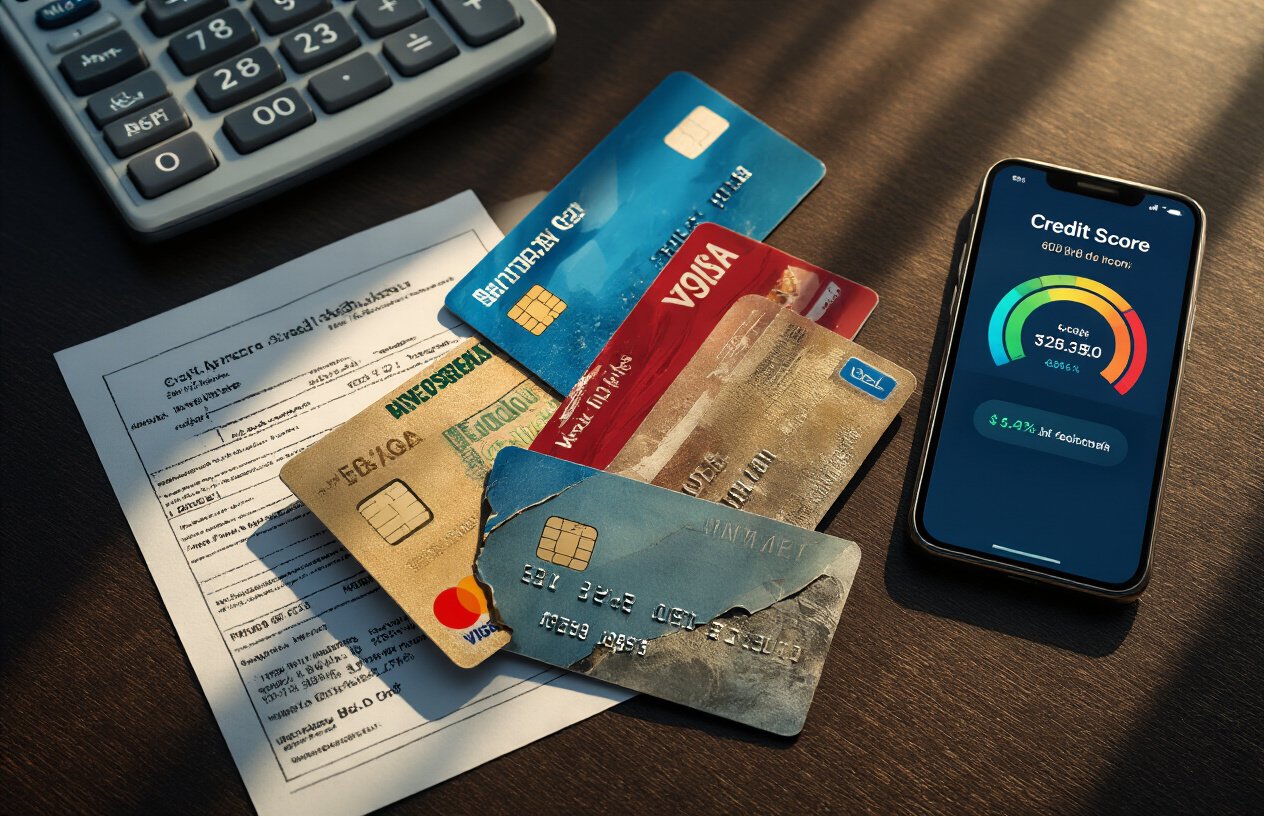
The temporary nature of score decreases and the typical recovery timeline
Credit scores may decrease initially after closing a credit card, but typically rebound in a few months if payments are made on time. The full impact can vary based on other factors in your credit profile. This temporary dip shouldn’t cause long-term concern for most cardholders who maintain good payment habits.
Why creditutilisationn ratio the primary factor affecting your score
The primary reason for a score decrease when closing credit cards is losing available credit limit, which increases your overall credit utilisation rate – the percentage of available credit you’re using. An increased utilisation rate signals risk to lenders and represents the most important factor to consider when deciding to close any credit card account.
The misconception about account age and its minimal long-term impact
The idea that decreasing average account age has a significant long-term impact is a misconception. Information about how you managed closed accounts stays on your credit report for 10 years.
The average age of accounts is significantly less important than your credit utilisation ratio, and an established credit history can offset closing older accounts relatively quickly.
Calculate the Real Impact on Your Credit Utilisation

Step-by-step method to determine your current utilisation rate
To calculate your credit utilisation ratio, divide your total balances by your total credit limits and multiply by 100. For example, if you have two cards with a total balance of $3,000 and a total credit limit of $10,000, your utilisation rate is 30%. This calculation provides a clear picture of how much of your available credit you’re currently using.
How closing cards dramatically increases your utilisation percentage
When you close a credit card, your available credit decreases while your balances remain the same, dramatically increasing your credit utilisation calculation.
If you maintain a $3,000 balance but close a card and reduce your total credit limit to $4,000, your utilisation would spike to 75%.
This sudden increase in your utilisation ratio can significantly impact your credit score, making closing old credit cards a potentially costly decision for your financial health.
Why keeping utilisation below 30% protects your credit score
Experts typically recommend maintaining a utilisation rate below 30%, as a lower rate is generally better and protects your credit score. Credit scoring models view high utilisation as a sign of financial stress, so keeping your ratio low demonstrates responsible credit management and helps maintain strong creditworthiness.
When Closing Your Oldest Credit Card Makes Financial Sense

High annual fees that outweigh the card’s benefits
When evaluating whether to close your oldest credit card, the primary consideration should be the annual fee versus the card’s actual benefits.
If you’re paying a substantial annual fee that exceeds the value you receive from rewards, perks, or cashback, closing the card becomes a financially sound decision despite potential credit score damage.
Steep interest rates on existing debt
Cards carrying existing debt with exceptionally high interest rates present another scenario where closing old credit cards makes financial sense.
These steep rates can significantly impact your long-term financial health, making closure a protective measure that outweighs concerns about the credit utilisation ratio or credit history on your credit score.
Smart Alternatives Before Closing Any Credit Card Account

Negotiate retention offers to reduce or eliminate annual fees
Before considering closing old credit cards due to annual fees, contact your card issuer directly to negotiate retention offers. These valuable alternatives may include waiving or lowering the annual fee entirely, or providing compensatory benefits such as cash back, points, or miles to offset the cost.
Request lower interest rates from your card issuer
If you’re carrying debt on a high-interest credit card, call your issuer to request a lower interest rate, particularly if you maintain a good payment history. This approach can make keeping the card financially viable while preserving your credit utilisation ratio and credit history length.
Use credit score simulators to preview the impact before deciding
Utilise online credit score simulators like CreditWise to gauge how closing credit cards affects credit score before making final decisions.
These tools help you understand potential credit score damage and explore alternatives to closing credit cards that better serve your financial goals.
Strategic Steps toMinimisee Credit Score Damage

Pay off all balances before closing the account.
Paying off all balances in full before closing an account is crucial to avoid forgetting about remaining debt and incurring costly fees. This step ensures that your credit scoreis not damagede from closing old credit cards, doesn’t compound with additional penalties from overlooked balances.
Transfer debt to balance transfer cards with introductory rates
Consider transferring existing debt to balance transfer cards with introductory interest-free periods to manage it more effectively. This strategy allows you to maintain better control over your credit utilisation ratio while providing breathing room to pay down debt without accumulating interest charges during the promotional period.
Consider the timing if you’re planning to apply for credit soon
The timing of closing credit cards becomes especially important if you’re planning to apply for new credit in the near future. Since closing accounts may impact your credit score at a crucial time, avoid closing cards within several months of major credit applications like mortgages or auto loans to prevent potential approval complications.

The decision to close an old credit card shouldn’t be taken lightly, but it’s not always the financial disaster many believe it to be. While closing a card can temporarily impact your credit score through increased utilisation rates, the effects are often minor and short-lived if you continue making payments on time.
The key is understanding your specific situation and calculating the real impact on your credit profile before making any decisions.
Before closing any credit card account, explore alternatives like negotiating annual fee waivers, requesting lower interest rates, or using retention offers. If you do decide to close a card, focus on minimising damage by paying off balances first and maintaining low utilisation on remaining accounts.
Remember, your long-term financial health matters more than a temporary dip in your credit score – sometimes closing a high-fee or high-interest card is the smartest move, even if it’s your oldest account.