Your credit score doesn’t stay the same from month to month, and those monthly credit score changes can feel confusing and stressful. This comprehensive guide breaks down everything you need to know about credit score fluctuations and helps you take control of your financial health.
Who this guide is for: Anyone who’s noticed their credit score jumping around each month, first-time credit builders trying to understand why their credit score change monthly, and experienced borrowers looking to master credit score optimisation timing.
We’ll walk you through the mechanics behind credit reporting cycles and how they create normal credit score movement patterns you can actually predict. You’ll discover proven credit score monitoring tools and learn exactly when to time your financial moves for maximum impact. Plus, we’ll share actionable strategies to minimize credit score drops before they happen, so you can stop worrying about unexpected credit score swings and start building the score you want.
What Causes Your Credit Score to Fluctuate Each Month
New Account Openings and Hard Inquiries Impact
Hard inquiries from new credit applications can drop your credit score by 5-10 points temporarily. Multiple inquiries within a short timeframe create cumulative negative effects, though most credit scoring models treat similar inquiries within 14-45 days as a single event. New accounts also lower your average account age, which represents 15% of your FICO score calculation.
Payment History Changes and Late Payment Effects
Payment history drives 35% of your credit score, making even one late payment devastating to monthly credit score changes. A single 30-day late payment can cause score drops of 60-110 points depending on your credit profile. Recent late payments carry more weight than older ones, explaining why credit score fluctuations can be dramatic when payment patterns shift.
Credit Utilization Ratio Variations
Credit utilization ratio changes create the most common monthly credit score swings since this factor accounts for 30% of your score. Even small balance increases can trigger significant drops – moving from 10% to 30% utilization might decrease scores by 20-40 points. Different credit cards report balances on various dates throughout the month, causing seemingly random credit score fluctuations based on reporting timing rather than actual spending behavior.
Account Closures and Credit Limit Adjustments
Closing credit accounts immediately impacts your available credit, potentially increasing utilization ratios and causing score drops. Credit limit reductions by lenders have similar effects, often occurring without warning and creating unexpected negative monthly credit score changes. These adjustments can remain on your credit report for up to 10 years, though their impact diminishes over time as newer positive information gets added to your credit profile.
How Credit Reporting Cycles Affect Your Score Timing
Understanding When Creditors Report to Bureaus
Most credit card companies and lenders report account information to credit bureaus once monthly, typically around your statement closing date. This timing creates predictable patterns in credit score fluctuations, as your reported balances reflect what you owed when the statement generated, not necessarily your current balance. Different creditors report on various days throughout the month, meaning your credit score can change multiple times as each account updates.
Statement Date vs Payment Due Date Impact
Your statement date carries more weight for credit scoring than your payment due date. Credit utilization gets calculated based on balances reported on statement dates, so paying down balances before this date can prevent high utilization from appearing on your credit report. Making payments after the statement generates but before the due date won’t improve that month’s reported utilization ratio.
Multi-Bureau Reporting Differences
Not all creditors report to every credit bureau simultaneously, creating timing variations across Experian, Equifax, and TransUnion. Some lenders report to all three bureaus on the same day, while others stagger their reporting throughout the month. This explains why your credit scores might differ between bureaus and why monthly credit score changes don’t always align perfectly across all three reports.
Normal vs Concerning Credit Score Movement Patterns
Typical Monthly Fluctuation Ranges
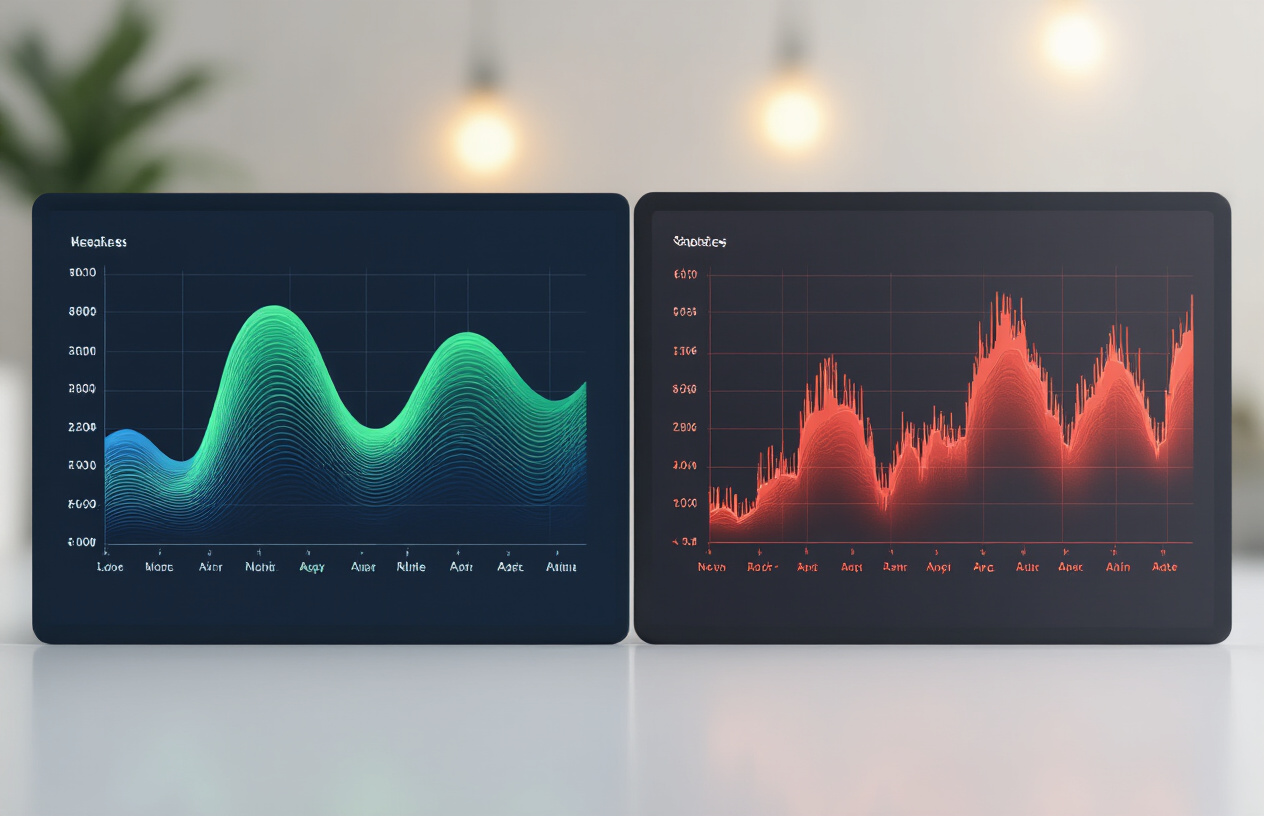
Most people see their credit scores move between 5-20 points monthly, which is completely normal. These typical credit score fluctuations happen as your balances change, payments post, and credit utilization updates across reporting cycles. Scores can swing up to 30 points without indicating serious problems, especially if you’re actively using credit cards or recently made large purchases.
Red Flag Score Drops That Need Attention
Sudden drops exceeding 50 points signal potential issues requiring immediate investigation. These concerning credit score movement patterns often indicate missed payments, account closures, or fraudulent activity. When monthly credit score changes exceed normal ranges dramatically, check your credit reports for errors, late payments, or unauthorized accounts that could damage your financial standing long-term.
Seasonal Trends in Credit Score Changes
Holiday spending typically creates temporary score dips between November and January as credit utilization spikes. Summer months often show improvement as people pay down vacation debt and spending normalizes. Back-to-school periods can trigger minor decreases from increased family expenses. Understanding these seasonal patterns helps distinguish between normal fluctuations and genuine credit problems.
Industry-Wide Scoring Model Updates
Credit scoring companies periodically update their algorithms, causing widespread score changes across millions of consumers. These updates can shift scores by 10-40 points overnight without any changes to your credit behavior. FICO and VantageScore announce major updates publicly, so sudden unexplained score movements affecting multiple accounts might reflect industry-wide model changes rather than personal credit issues.
Identity Theft Warning Signs in Score Movement
Unexpected score drops paired with unfamiliar accounts or inquiries suggest potential identity theft. Warning signs include new credit lines you didn’t open, addresses you’ve never lived at, or employment information that’s incorrect. Multiple hard inquiries from lenders you haven’t contacted, combined with score decreases, warrant immediate credit report review and fraud alert placement with all three bureaus.
Strategic Timing for Credit Score Optimization

Best Days to Pay Credit Card Balances
Pay your credit card balances strategically to maximize your credit score optimization timing. The sweet spot is 3-5 days before your statement closing date, which typically occurs 21-25 days before your payment due date. This timing allows your low utilization to be reported to credit bureaus while avoiding late payments.
Avoid paying immediately after your statement closes, as your high balance has already been reported. Check your statement closing dates for each card and set payment reminders accordingly to catch those monthly credit score changes at their best.
Optimal Timing for New Credit Applications
Space out credit applications by at least 3-6 months to minimize negative impacts on credit score fluctuations. Apply for new credit mid-month when your utilization is lowest and your score is typically at its peak. Avoid applying during months when you’ve made large purchases or experienced other credit changes.
Monitor your credit reports before applying to ensure accuracy. Credit inquiries cause temporary drops in your score, so timing new applications when your credit profile is strongest helps offset this impact and improves approval odds.
When to Request Credit Limit Increases
Request credit limit increases right after paying down balances and when your account is in good standing for at least 6-12 months. Many issuers review accounts quarterly, so timing requests at the end of March, June, September, or December aligns with their review cycles.
Avoid requesting increases during months with high spending or when you’ve recently applied for other credit. A successful increase immediately improves your credit utilization ratio, creating positive monthly credit score changes without the hard inquiry impact of new accounts.
Tools and Techniques for Tracking Score Changes
Free Credit Monitoring Services Comparison
| Service | Free Reports | Score Updates | Alerts | Credit Monitoring |
|---|---|---|---|---|
| Credit Karma | Weekly | Real-time | Yes | TransUnion, Equifax |
| Experian | Monthly | Daily | Yes | Experian only |
| Credit Sesame | Monthly | Monthly | Yes | TransUnion |
| Chase Credit Journey | Weekly | Weekly | Yes | Experian |
| Discover Credit Scorecard | Monthly | Monthly | Yes | Experian |
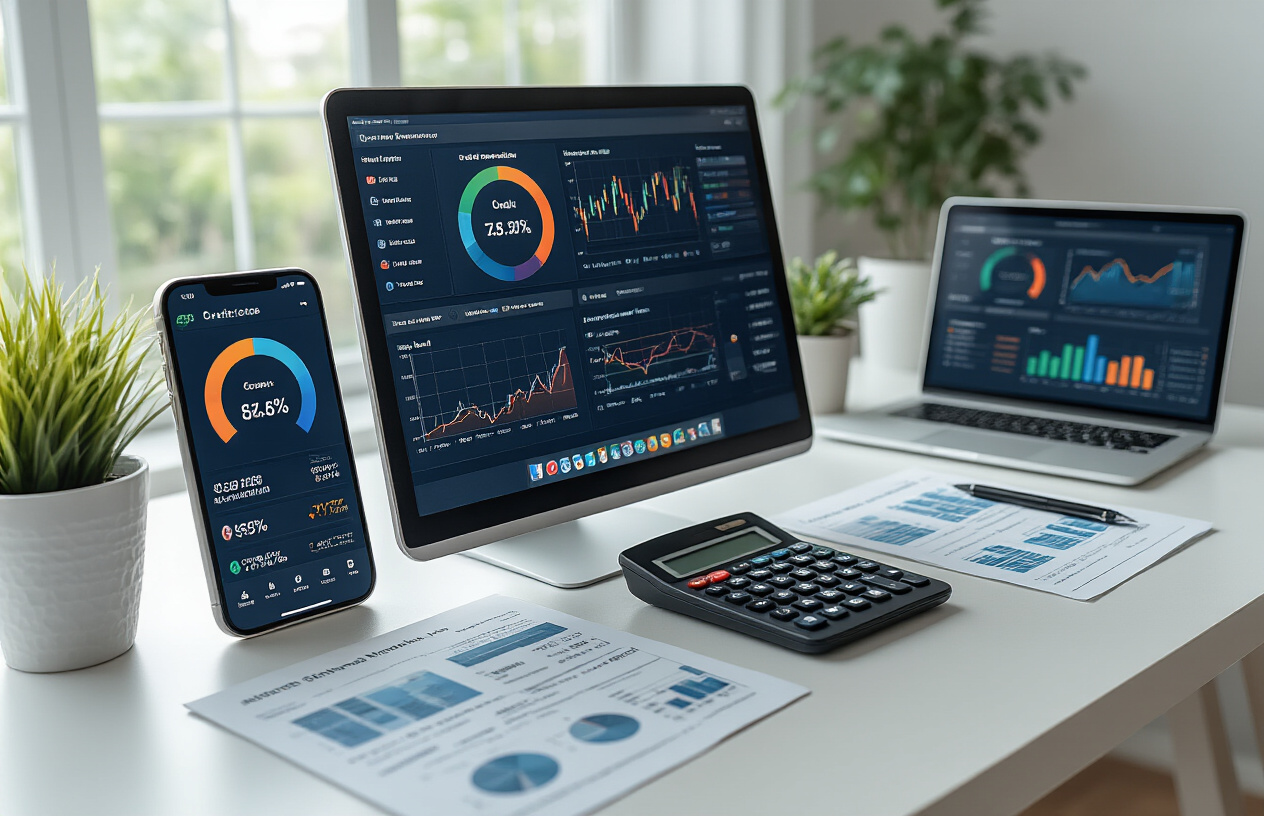
The best free services for tracking credit score changes include Credit Karma for frequent updates and comprehensive monitoring across two bureaus. Experian’s free service provides daily score tracking, making it ideal for catching immediate fluctuations.
Setting Up Automated Score Alerts
Configure alerts through your credit card apps and monitoring services to catch score drops within 24-48 hours. Set thresholds for both increases and decreases – typically 10-point movements warrant investigation. Most services allow customization for different alert types including new accounts, credit inquiries, and payment updates.
Smart alert management means choosing one primary service to avoid notification overload while ensuring you’re notified of significant monthly credit score changes. Focus on services that explain the reasons behind fluctuations rather than just reporting numbers.
Creating Your Personal Credit Score Calendar
Track your credit reporting cycles by noting when each creditor reports to bureaus – usually monthly on the same date. Mark payment due dates, statement closing dates, and typical reporting windows on a calendar to predict when credit score fluctuations might occur.
Document patterns you notice over 3-6 months to identify your personal credit score rhythm. This helps distinguish between normal cyclical changes and concerning drops that need immediate attention.
Documentation Methods for Dispute Resolution
Screenshot your credit reports and scores monthly, saving them with timestamps for accurate record-keeping. Create a simple spreadsheet tracking dates, scores, and any major account changes that could explain movements.
Keep copies of payment confirmations, dispute letters, and creditor correspondence organized by date. This documentation becomes crucial when disputing errors that cause unexpected credit score swings or when proving improvement patterns to future lenders.
Quick Actions to Minimize Negative Monthly Swings

Emergency Damage Control for Sudden Drops
When you spot a sudden credit score drop, act fast to minimize damage. Contact credit bureaus immediately to dispute any errors, freeze your credit to prevent unauthorized accounts, and check for fraudulent activity. Pay down high balances quickly, especially on cards near their limits, as credit utilization impacts appear within days of payment posting.
Proactive Strategies for Score Stability
Maintain consistent payment schedules and keep credit utilization below 10% across all cards to reduce monthly credit score fluctuations. Set up automatic payments for at least minimum amounts and avoid closing old accounts that boost your credit history length. Monitor credit reporting cycles and time large purchases or payments strategically to optimize when changes appear on your reports.
Communication Tactics with Creditors
Build relationships with creditors before problems arise by calling customer service to discuss payment flexibility options. When facing financial difficulties, negotiate payment plans or temporary hardship programs that won’t trigger negative reporting. Ask creditors to remove late payment marks as goodwill gestures if you’ve been a long-term customer with good history.

Your credit score moves up and down each month for totally normal reasons. Credit reporting cycles, new account activity, and changes in your credit utilization all play a role in these shifts. Small fluctuations of 10-20 points are completely normal and nothing to stress about. However, dramatic drops of 50+ points signal something that needs your attention right away.
Staying on top of your score changes gives you real power over your financial health. Use free monitoring tools to track patterns and time your credit applications strategically around reporting dates. Pay down balances before statement dates, keep old accounts open, and avoid opening multiple new accounts in short periods. These simple steps can help smooth out those monthly swings and keep your score trending upward over time.