Technology is advancing faster than ever, and by 2030, several breakthrough innovations will completely change how you live, work, and interact with the world around you. This guide is for tech enthusiasts, business professionals, and anyone curious about the future who wants to understand which emerging technologies will have the biggest impact on daily life.
These aren’t distant sci-fi concepts – they’re real tech trends 2030 that are already in development and will reshape everything from your morning routine to how entire cities operate. You’ll discover how AI decision-making systems are moving beyond simple automation to make complex choices across industries, and how next-generation computing like quantum systems will solve problems that seem impossible today.
We’ll also explore how immersive technology trends are creating more natural ways to interact with digital content, making virtual experiences feel as real as the physical world. Plus, you’ll learn about the biotechnology healthcare advances that promise personalised treatments and the smart city infrastructure that will make urban living cleaner, safer, and more efficient.
Table of Contents
By the end, you’ll have a clear picture of which technologies to watch and how they’ll transform your daily experience over the next six years.
AI-Powered Decision-Making Systems Transform Industries

Autonomous robots reduce human error by 30% in manufacturing.
Manufacturing facilities worldwide are witnessing remarkable transformations as autonomous robots integrate advanced AI decision-making systems into production lines. According to industry research, these intelligent systems are projected to reduce human error by 30% across manufacturing operations by 2030. The impact extends beyond simple error reduction, fundamentally reshaping how production decisions are made in real-time.
AI-powered robotics leverage sophisticated algorithms thatanalysee thousands of data points simultaneously, enabling precise decision-making that surpasses human capabilities in speed and consistency. These systems continuously learn from production patterns, quality metrics, and environmental variables to optimise manufacturing processes autonomously. The integration of machine learning models allows robots to predict potential issues before they occur, preventing costly downtime and maintaining consistent product quality.
AI-to-AI communication streamlines logistics without human intervention
The logistics industry is experiencing a revolutionary shift as AI systems begin communicating directly with each other, eliminating the need for human intermediaries in routine operations. This emerging trend represents a fundamental evolution in how supply chain decisions are processed and executed across the entire logistics network.
Multi-model AI capabilities are becoming the standard, with 82% of organisations expecting their AI systems to operate using multiple AI models by 2030. Small language models (SLMs) are anticipated to surpass large language models (LLMs) in logistics applications, with 72% of surveyed executives believing SLMs will become the preferred solution for streamlined operations.
Organisations implementing AI-to-AI communication across multiple workflows are positioning themselves for substantial competitive advantages. Companies scaling these technologies anticipate 24% greater productivity gains and 55% higher operating margins by 2030, demonstrating the tangible business value of eliminating human bottlenecks in decision-making processes.
Trust, Risk, and Security Management ensures ethical AI deployment.
As AI decision-making systems become more prevalent across industries, establishing robust trust, risk, and security frameworks has become paramount for successful deployment. Despite accelerating investment—with AI spending projected to surge approximately 150% between now and 2030—68% of executives express concerns about AI initiatives failing due to insufficient integration with core business activities.
The challenge lies in balancing innovation with responsible implementation. While 79% of surveyed executives expect AI to contribute significantly to their revenue by 2030, only 24% have a clear understanding of where that revenue will originate. This uncertainty underscores the critical importance of developing comprehensive risk management strategies that ensure ethical AI deployment while maximising business value.
Organisations are recognising that competitive advantage will increasingly depend on sophisticated AI model implementation, with 57% of executives believing their edge will come from AI model sophistication. However, only 28% have a clear vision of what AI models they’ll require by 2030, highlighting the urgent need for strategic planning and risk assessment frameworks that can adapt to rapidly evolving AI technologies.
Next-Generation Computing Revolutionises Problem Solving

Quantum computing integration enables breakthrough solutions in finance and healthcare.
The quantum computing landscape is experiencing a transformative shift from development to deployment, with the technology poised torevolutionisee problem-solving capabilities by 2030. According to McKinsey research, quantum computing could generate revenue ranging from $28 billion to $72 billion by 2035, with the finance and life sciences industries positioned as early adopters of commercially viable quantum solutions.
Recent breakthroughs demonstrate quantum computing’s maturing reliability for mission-critical applications. Google’s Willow quantum computing chip achieved significant advancements in error correction, performing complex calculations exponentially faster than supercomputers while maintaining low error rates with its 105 physical qubits. Microsoft and Quantinuum successfully entangled 12 logical qubits, reducing physical error rates from 0.024 to 0.0011 logical error rates, enabling the first-ever chemistry simulation combining high-performance computing, artificial intelligence, and quantum control.
Financial institutions are particularly well-positioned to benefit from quantum computing’s enhanced processing power for complex risk modelling, portfolio optimisation, and fraud detection algorithms. Healthcare applications include accelerated drug discovery through molecular simulation, personalised treatment protocols, and advanced diagnostic imaging. The technology’s ability to process vast datasets and perform calculations impossible for classical computers makes it invaluable for these data-intensive sectors.
Energy-efficient AI hardware addresses growing power consumption demands
As AI applications proliferate across industries, energy consumption has emerged as a critical challenge that next-generation computing must address. The development of specialised quantum hardware represents a significant advancement in creating more energy-efficient processing solutions for AI workloads.
Companies are developing specialised quantum computers optimised for specific problems rather than universal quantum computing, which offers a more efficient path to commercial viability. Bleximo is building full-stack superconducting application-specific systems with co-designed processors, software, and control stacks, while Qilimanjaro focuses on quantum app-specific integrated circuits (QASICs) for superconducting analogue quantum computers.
The emergence of novel physical qubit technologies promises enhanced energy efficiency. Ephos utilises glass chips instead of silicon to reduce energy consumption and information loss, while researchers at the University of Basel demonstrated hole spin qubits that require fewer components than traditional electron spin qubits. These innovations address the fundamental challenge of quantum decoherence while minimising power requirements.
Energy-efficient quantum hardware development is accelerating through AI-driven material discovery, creating a synergistic relationship where quantum computing advances AI capabilities while AI accelerates quantum hardware optimisation. This convergence positions quantum-AI hybrid systems as essential components for sustainable computing infrastructure by 2030.
Edge computing with 5G/6G networks delivers real-time application performance.
The integration of quantum technologies with advanced networking infrastructure is creating unprecedented opportunities for real-time processing applications. Multiple companies are developing quantum networks that interconnect quantum devices, scaling computational power through distributed quantum systems rather than individual processor enhancement alone.
Photonic demonstrated distributed entanglement by linking qubits within separate quantum computers, while QuTech successfully connected two small quantum computers in different cities. IBM’s development of L-couplers enables system scaling, with their recent achievement of classically linking two 127-qubit quantum processors to create a virtual 142-qubit system showcasing the potential for networked quantum computing.
Software abstraction layers are simplifying quantum computing adoption, removing technical barriers that previously limited real-time applications. Multiverse Computing’s Singularity platform uses spreadsheet interfaces to abstract quantum or quantum-inspired computing for optimisation problems, while Strangeworks allows users to define problems and select appropriate solvers without deep quantum knowledge.
The quantum communication market, valued at $1.2 billion in 2024, is projected to reach $10.5 billion to $14.9 billion by 2035, representing a compound annual growth rate of 22 to 25 per cent. This growth supports the infrastructure necessary for quantum-enhanced edge computing applications, particularly in telecommunications sectors expected to account for 16 to 26 per cent of quantum communication spending by 2035.
Immersive Technologies Create Natural Digital Interactions
Spatial Computing Blends Virtual and Physical Worlds Seamlessly
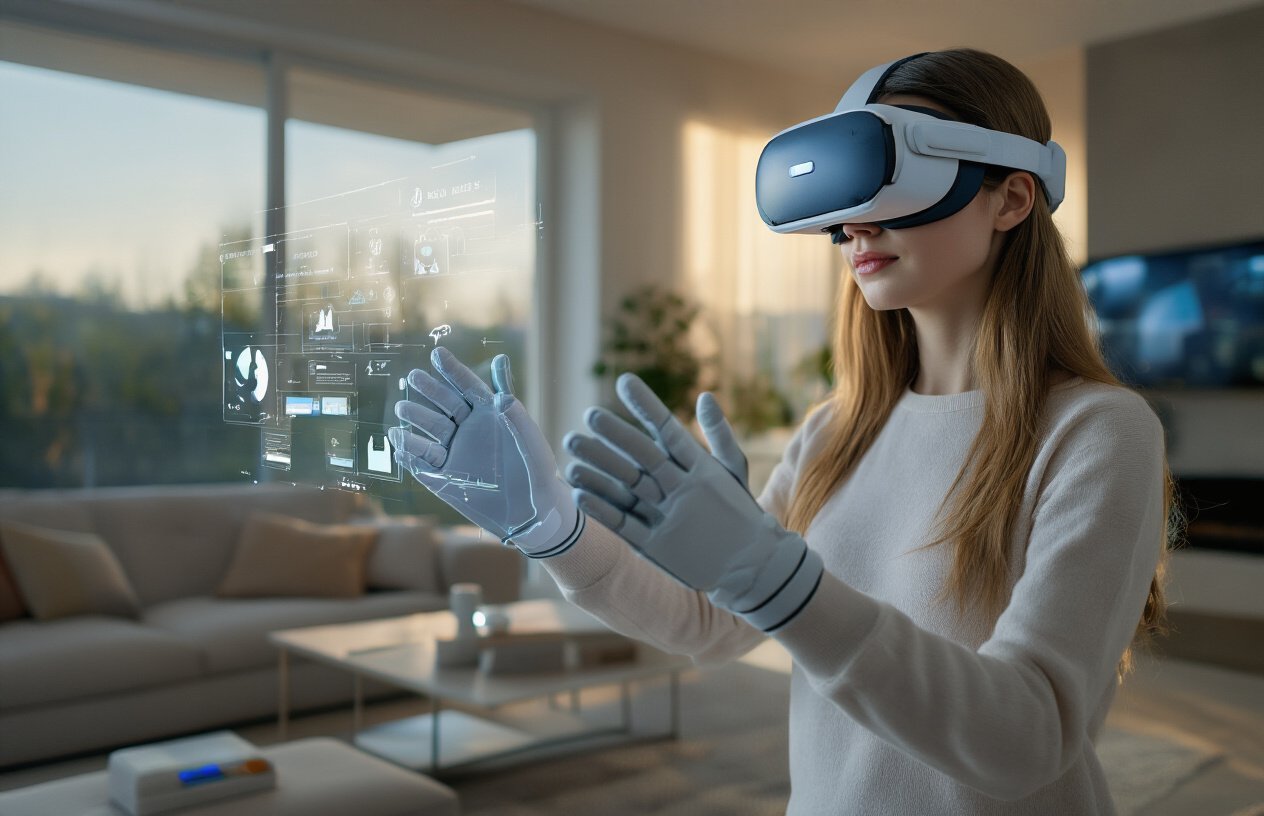
Spatial computing represents a fundamental shift in how we interact with digital environments by creating seamless integration between virtual and physical spaces. This immersive technology trend moves beyond traditional screens to enable natural, three-dimensional interactions with digital content in our real-world environment. Through advanced sensors, cameras, and AI-driven processing, spatial computing systems can understand and map physical spaces while overlaying contextual digital information.
The technology enables users to manipulate virtual objects as naturally as physical ones, creating workflows where digital and real-world elements coexist harmoniously. This breakthrough allows for applications ranging from architectural visualization where builders can see completed structures before construction, to educational environments where students can interact with historic artefacts or complex scientific models in their actual classroom space.
Brain-Computer Interfaces Enable Hands-Free Technology Control
Brain-computer interface technology is rapidly advancing toward practical, non-invasive applications that will revolutionise how we control devices. While companies like Neuralink focus on invasive implants, the emerging trend centres on non-invasive solutions, including wristbands and headsets that decode neural signals and finger movement intentions without requiring surgery.
These BCI systems interpret neural signals to enable direct thought-based control of digital systems. The technology promises a future where users can scroll through content with thoughts, send texts without physical input, or launch applications through pure intention. Companies like Nearable, Open BCI, and Meta’s CTRL-labs acquisition are actively developing these thought-controlled interfaces.
The practical applications extend beyond convenience to accessibility, offering new possibilities for individuals with mobility limitations while creating more intuitive interaction methods for all users. This hands-free control represents a significant step toward truly seamless human-computer integration.
6G Networks Support Holographic Communications and VR Experiences
6G networks are being designed to deliver unprecedented connectivity speeds of 1-10 terabits per second with virtually real-time latency, making advanced immersive experiences possible. While 5G deployment continues globally, researchers are already developing 6G infrastructure through terahertz spectrum frequencies and AI-driven network orchestration.
The transformative potential of 6G lies in enabling applications that current infrastructure simply cannot support, including real-time holograms, remote surgeries, and immersive AR/VR communication experiences. These networks will provide the massive bandwidth required for brain-computer interfaces, which generate continuous streams of neural feedback data requiring cloud-based AI processing.
The synergy between 6G and brain interfaces creates possibilities for hybrid AI-human interaction that is smooth, seamless, and latency-free. This infrastructure supports the edge computing power necessary to maintain both privacy and speed, enabling scenarios where users navigate AR environments through thought alone, with their devices responding to mood changes and intentions in real-time. This convergence of 6G and BCI technology represents the foundation for the next digital leap toward invisible, intuitive connectivity.
Biotechnology Advances Reshape Healthcare and Agriculture

CRISPR gene editing offers cures for genetic disorders
CRISPR technology has emerged as a revolutionary force in biotechnologyand healthcare advances, fundamentally transforming how we approach genetic disorders. This precision gene-editing system enables scientists to make targeted modifications to DNA sequences with unprecedented accuracy, offering hope for conditions previously considered incurable.
The agricultural applications of CRISPR demonstrate the technology’s broader potential, with the global market for plant breeding and CRISPR plants projected to reach $50.1 billion by 2030, growing at a 15% CAGR. This rapid expansion reflects the technology’s ability to create disease-resistant crops and enhance nutritional content, addressing the UN’s Sustainable Development Goal 2: Zero Hunger.
In healthcare, CRISPR’s site-directed nuclease capabilities have proven particularly effective since plant applications were first demonstrated in 2013. The technology’s robustness and efficiency in developing enhanced traits translate directly to human genetic disorders, where precise DNA modifications can correct disease-causing mutations. Unlike traditional genetic modification approaches, CRISPR-based treatments are often viewed more favourably by patients and regulatory bodies due to their targeted nature and reduced off-target effects.
The regulatory landscape increasingly supports gene-edited solutions, with several countries moving toward less stringent regulations for CRISPR-edited products compared to traditional genetic modifications. This regulatory shift accelerates the adoption of CRISPR technologies in therapeutic applications, positioning gene editing as a key component of future healthcare interventions for genetic disorders.
Organ-on-a-chip systems replace animal testing models.s
The biotechnology advances reshaping healthcare extend beyond gene editing to include sophisticated organ-on-a-chip systems that revolutionise drug testing and disease modelling. These microfluidic devices contain human cells that mimic the structure and function of human organs, providing more accurate and ethical alternatives to traditional animal testing models.
Investment in agricultural biotechnology and gene editing technologies has expanded opportunities across the biotechnology sector, with major companies, research institutions, and startups heavily investing in innovative solutions. This same investment pattern applies to organ-on-a-chip development, where technological advancements in genomics and molecular biology drive growth in precision testing systems.
These miniaturised organ models offer significant advantages over conventional testing methods. They provide real-time monitoring of cellular responses to drugs and treatments, enabling researchers to observe human-specific reactions that may not occur in animal models. The technology supports the development of personalised medicine approaches by allowing testing on cells derived from individual patients.
The regulatory support that has accelerated CRISPR adoption also benefits organ-on-a-chip technologies, as regulatory agencies recognise these systems as valuable tools for drug development and safety testing. This technological shift aligns with growing consumer and regulatory demands for more ethical research practices while delivering superior scientific results.
Personalised medicine delivers precise treatment solutions.
Building on the foundation of gene editing and advanced testing systems, personalised medicine represents the culmination of biotechnology advances in delivering precise treatment solutions. This approach leverages genetic information, biomarkers, and individual patient characteristics to develop targeted therapeutic strategies.
The technological advancements driving genomics and DNA sequencing have made personalised medicine more accessible and cost-effective. Advances in molecular techniques and marker-assisted selection, originally developed for agricultural applications, now inform precision medicine approaches in healthcare. These tools enable healthcare providers to identify specific genetic variations that influence drug metabolism, disease susceptibility, and treatment response.
Personalised medicine addresses the growing focus on sustainable healthcare practices by reducing trial-and-error prescribing and minimising adverse drug reactions. Just as CRISPR technology enables the creation of crops requiring fewer inputs, personalised medicine reduces unnecessary treatments and healthcare resource consumption by targeting therapies to individual patient needs.
The increasing investment in biotechnology, driven by both public and private sectors, supports the development of biofortified treatments that address specific nutritional and therapeutic deficiencies. Consumer preferences for targeted, effective treatments mirror the demand for enhanced agricultural products, driving market growth in personalised medicine solutions.
These tech trends 2030 positioning personalized medicine as a cornerstone of future healthcare delivery, where treatments are precisely matched to individual genetic profiles and health conditions.
Smart Infrastructure Makes Cities More Livable

AI-powered systems optimise traffic flow and reduce emissions.
AI-powered traffic management represents one of the most transformative applications of smart city infrastructure technology. Cities like Singapore and Los Angeles have already implemented AI-based adaptive traffic signal systems that dynamically adjust traffic signals based on real-time data from road sensors, GPS devices, and mobile applications. These intelligent systemsanalysee traffic patterns and automatically optimise signal timing to reduce intersection wait times and travel delays.
The environmental impact of these systems extends far beyond convenience. By minimising idle time at traffic lights and reducing stop-and-go patterns, AI-powered traffic optimisation significantly decreases fuel consumption and vehicle emissions. The predictive capabilities of these systems allow them to forecast congestion patterns before they occur, enabling proactive route recommendations that distribute traffic more efficiently across urban networks.
Real-time data aggregation from multiple sources creates a comprehensive traffic management ecosystem where AI algorithms continuously learn from traffic patterns. This enables cities to implement dynamic routing solutions that adapt to changing conditions throughout the day, seasonal variations, and special events that might disrupt normal traffic flow.
Data-driven platforms enhance public safety and waste management.
The integration of AI into public safety systems has revolutionised emergency response and crime prevention strategies. Smart surveillance systems now analyse video footage in real-time to detect unusual behaviour patterns, recognise license plates, and automatically flag potential security threats. This proactive approach to safety management allows cities to deploy resources more effectively and respond to incidents with unprecedented speed.
Predictive analytics has become a cornerstone of modern policing strategies. By mapping historical crime data and combining it with demographic and environmental information, AI models can forecast where incidents are most likely to occur. This data-driven approach enables law enforcement agencies to deploy resources proactively, potentially preventing crimes before they happen rather than simply responding after the fact.
Emergency response systems have been enhanced through AI integration that combines traffic data, weather forecasts, and social media feeds to optimise dispatch decisions during natural disasters or accidents. This comprehensive approach ensures that emergency services can navigate efficiently to incident locations while considering real-time conditions that might affect response times.
Waste management has experienced a similar transformation through AI-powered logistics. Cities like Barcelona have equipped waste bins with fill sensors connected to AI routing platforms that monitor waste levels in real-time. Municipal services can now plan efficient collection schedules based on actual need rather than predetermined routes, which significantly reduces fuel consumption and prevents the environmental and health issues associated with overflowing trash containers.
Interconnected sensors create sustainable urban environments.
The foundation of sustainable smart city infrastructure lies in networks of interconnected sensors that provide continuous monitoring of urban systems. These embedded sensors in bridges, water lines, railways, and roadways send constant updates tcentraliseded AI systems that analyse infrastructure health and predict maintenance needs before failures occur.
Cities like Tokyo have pioneered predictive maintenance approaches in their transit systems, where AI algorithms process sensor data to identify potential issues before they cause service disruptions. This proactive maintenance strategy reduces operational costs while improving safety and reliability without adding complexity to daily operations.
Smart energy management represents another critical application of interconnected sensor networks. AI-powered smart grids monitor energy usage in real-time across commercial buildings, residential zones, and public transport networks. These systems predict demand spikes and automatically optimise power distribution, matching supply and demand with unprecedented efficiency. The result is reduced energy waste and lower environmental impact across entire urban areas.
The interconnected nature of these sensor networks enables cities to create comprehensive digital twins – AI-powered simulations of physical cities that help decision-makers test urban development ideas in virtual environments before committing real-world resources. This capability supports long-term sustainability planning by allowing cities to model the environmental and infrastructure impacts of proposed changes before implementation.
Climate Technology Offers Direct Environmental Solutions
Direct Air Capture removes existing greenhouse gases from the atmosphere.
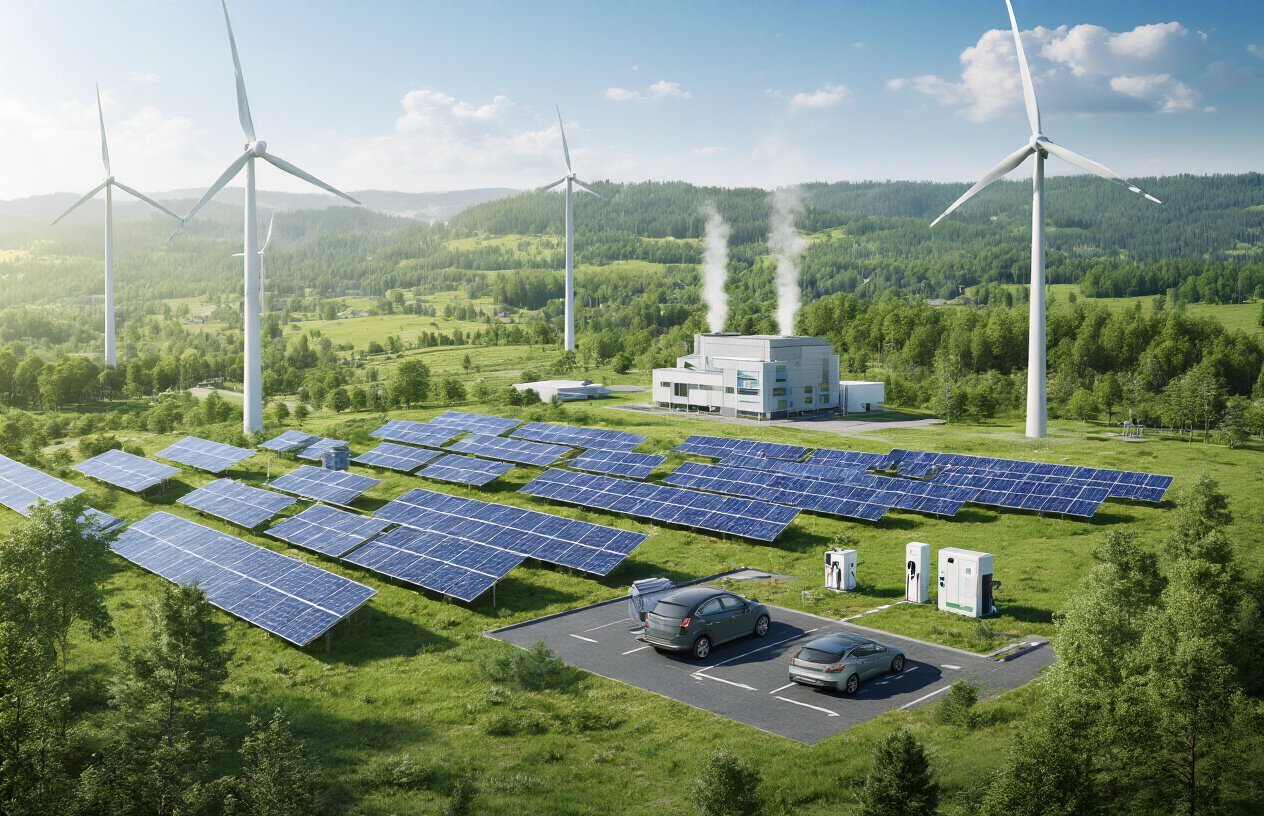
Direct Air Capture (DAC) technology represents a revolutionary approach to combating climate change by actively removing CO2 from ambient air. Unlike traditional carbon capture methods that target point sources like power plants, DAC systems can be deployed virtually anywhere, offering unprecedented flexibility in addressing legacy emissions already present in our atmosphere.
Two primary technological approaches currently dominate the DAC landscape. Solid DAC (S-DAC) systems utilise solid adsorbents operating at ambient pressure and medium temperatures of 80-120°C, while Liquid DAC (L-DAC) relies on aqueous basic solutions like potassium hydroxide, requiring higher operating temperatures between 300°C and 900°C. Both methods effectively concentrate atmospheric CO2 from its dilute state of approximately 0.04% into concentrated streams suitable for storage or utilisation.
Currently, 27 DAC plants operate globally across Europe, North America, Japan, and the Middle East, though most remain small-scale demonstration facilities. Notable operational plants include Climeworks’ Orca facility in Iceland, Global Thermostat’s Colorado headquarters plant, and Heirloom’s California facility – the only three capturing over 1,000 tonnes of CO2 annually.
The energy intensity of DAC technology remains its primary challenge, as capturing CO2 from dilute atmospheric concentrations requires significantly more energy than point-source capture. However, emerging innovations like electro swing adsorption (ESA), zeolite-based systems, and passive DAC approaches are actively addressing these efficiency concerns, promising more cost-effective solutions for large-scale deployment.
Carbon conversion technology transforms CO2 into usable products
With significant progress in capture technologies established, carbon conversion represents the next frontier in making DAC economically viable. Rather than simply storing captured CO2, conversion technologies transform atmospheric carbon dioxide into valuable products, creating new revenue streams that could offset operational costs.
The captured CO2 streams from DAC facilities serve as feedstock for producing synthetic fuels, chemicals, and building materials. This approach, known as carbon utilisation, creates a circular carbon economy where atmospheric CO2 becomes a resource rather than waste. Companies are increasingly exploring pathways to convert captured CO2 into low-carbon synthetic hydrocarbon fuels, addressing growing demand in the aviation and shipping sectors where electrification remains challenging.
Carbon conversion technologies enable DAC facilities to serve dual purposes: removing excess atmospheric CO2 while producing commercially valuable products. This dual functionality significantly improves the economic case for large-scale DAC deployment, as revenue from converted products helps offset the substantial energy costs associated with atmospheric CO2 capture.
The integration of conversion technologies with DAC systems requires careful consideration of energy sources and lifecycle emissions. Successful implementations ensure that the energy used for both capture and conversion processes comes from low-carbon sources, maximising net CO2 removal while creating sustainable product streams.
Scalable pilot plants move toward commercial viability
Moving beyond demonstration projects, the DAC industry is rapidly progressing toward commercial-scale operations. Three major DAC projects are currently under construction, with the largest facilities expected online in Iceland (36 kt CO2/year by 2024) and the United States (500 kt CO2/year by 2025, potentially scaling to 1,000 kt CO2/year).
Plans for at least 130 DAC facilities are now at various development stages worldwide. Leading projects include the Stratos and South Texas DAC hubs in Texas, the Cypress DAC hub in Louisiana, and international initiatives in Norway, Iceland, Kenya, and the UAE. These developments represent a massive scaling effort, with projected capacity reaching 3 Mt CO2 by 2030 – over 500 times today’s capture rate.
Government support is accelerating commercial viability through substantial policy frameworks. The United States leads with $3.5 billion in DAC hub funding and increased 45Q tax credits to $180 per tonne of captured CO2. The European Commission targets 50 Mt CO2 annual storage by 2030, while Canada offers 60% investment tax credits for DAC projects.
Private investment is equally robust, with companies like Climeworks raising $650 million in 2022 – the largest-ever DAC investment round. Major corporations, including Microsoft, Shopify, and Amazon,n are pre-purchasing carbon removal credits, creating guaranteed demand that enables project financing and commercial scaling.
| Company | Headquarters | 2022 Capacity (kt CO2/year) | 2030 Planned (kt CO2/year) |
|---|---|---|---|
| Climeworks | Switzerland | 5.0 | 1,300 |
| 1PointFive/Carbon Engineering | US/Canada | 0.4 | 55,300 |
| CarbonCapture | United States | 0 | 5,000 |
Enhanced Daily Life Through Current Tech Integration
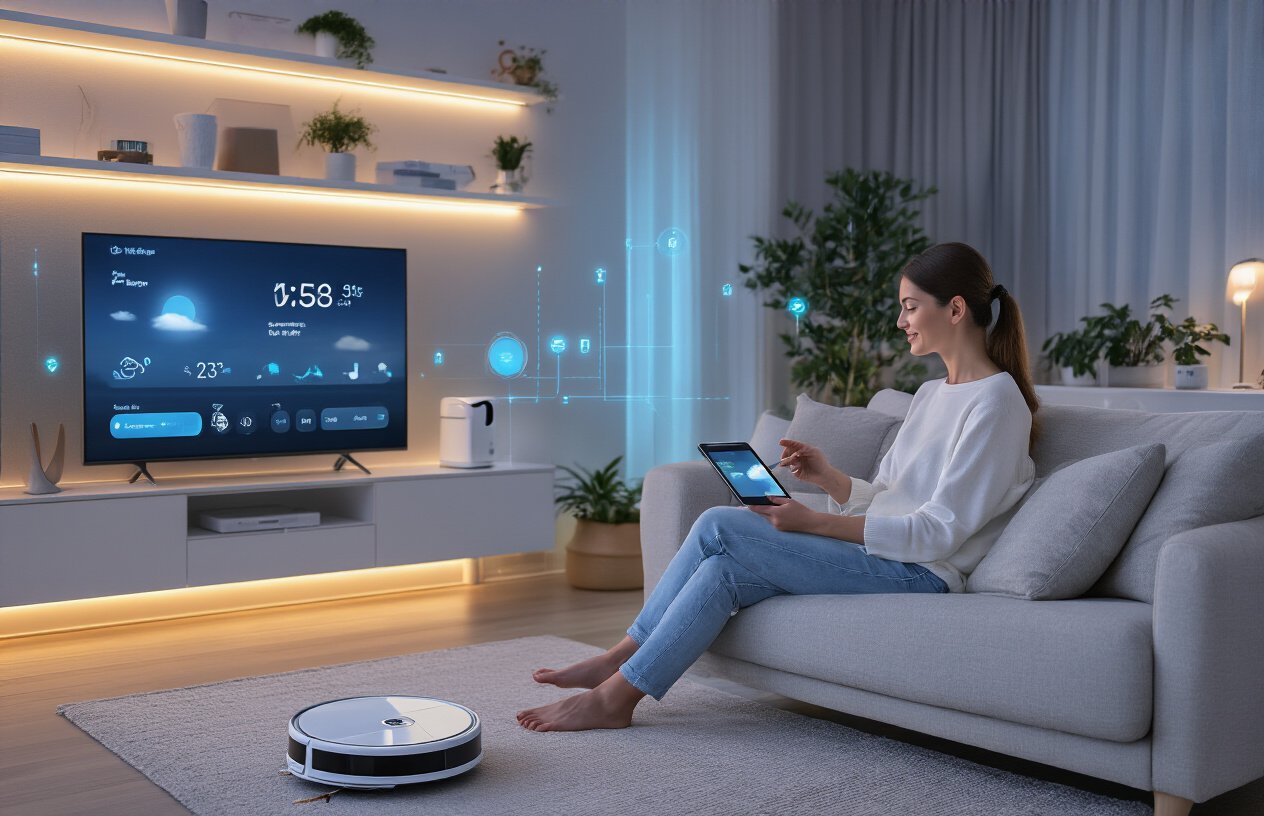
AI-powered shopping deliverpersonaliseded retail experiences.
The integration of AI and IoT technologies is revolutionising retail through intelligent data collection and real-time analysis. IoT devices and sensors continuously gather information about customer behaviour, preferences, and purchasing patterns, while AI processes this massive data to deliver unprecedented personalisation. Smart retail systems now learn individual shopping habits and adapt recommendations accordingly, creating experiences that feel almost psychic in their accuracy.
Machine learning algorithms analyse historical usage patterns to predict customer needs before they’re even expressed. These systems can forecast inventory requirements, optimise pricing strategies dynamically, and personalise product recommendations based on individual preferences and usage patterns. The result is a seamless shopping experience where customers discover products they actually want, retailers reduce inventory waste, and both parties benefit from optimised operations.
Smart home IoT devices automate everyday tasks.
With this in mind, next we’ll see how smart home automation has evolved beyond simple on-off switches to become truly intelligent ecosystems. IoT sensors embedded throughout homes constantly monitor temperature, energy usage, security, and occupancy patterns. AIanalysess this environmental data to make proactive decisions that enhance comfort while optimising resource efficiency.
Smart thermostats exemplify this integration perfectly – they don’t just manage temperature, they learn your routine and adjust settings before you even realise you need them. These systems can:
- Predict energy needs based on weather conditions and historical usage patterns
- Optimise heating and cooling systems automatically for maximum efficiency
- Remember favourite settings and adapt to seasonal changes
- Coordinate with other devices to create seamless environmental control
The artificial intelligence of things enables homes to learn and adapt over time, providing improved performance, efficiency, and personalised user experiences without requiring constant human intervention.
Generative AI revolutionises content creation across industries
Previously covered smart automation technologies pale in comparison to the creative potential unlocked by generative AI integration with IoT systems. This combination transforms how content is created, personalised, and delivered across manufacturing, healthcare, agriculture, and consumer applications.
In smart factories, generative AI processes real-time sensor data to create optimised production schedules, quality control reports, and predictive maintenance documentation. Healthcare systems use this technology to generate personalised treatment plans based on continuous monitoring from wearable devices. Agricultural applications create dynamic irrigation and fertilisation schedules that adapt to real-time weather and crop conditions.
The edge computing trend enhances this capability by running AI models directly on IoT devices themselves, dramatically reducing latency and enabling instant content generation. This approach ensures that creative decisions happen without buffering or internet hiccups, making the technology practical for time-sensitive applications.
Cross-functional teams now leverage this integration to create everything from personalised marketing content to automated technical documentation, with AI learning from IoT feedback loops to continuously improve output quality and relevance.
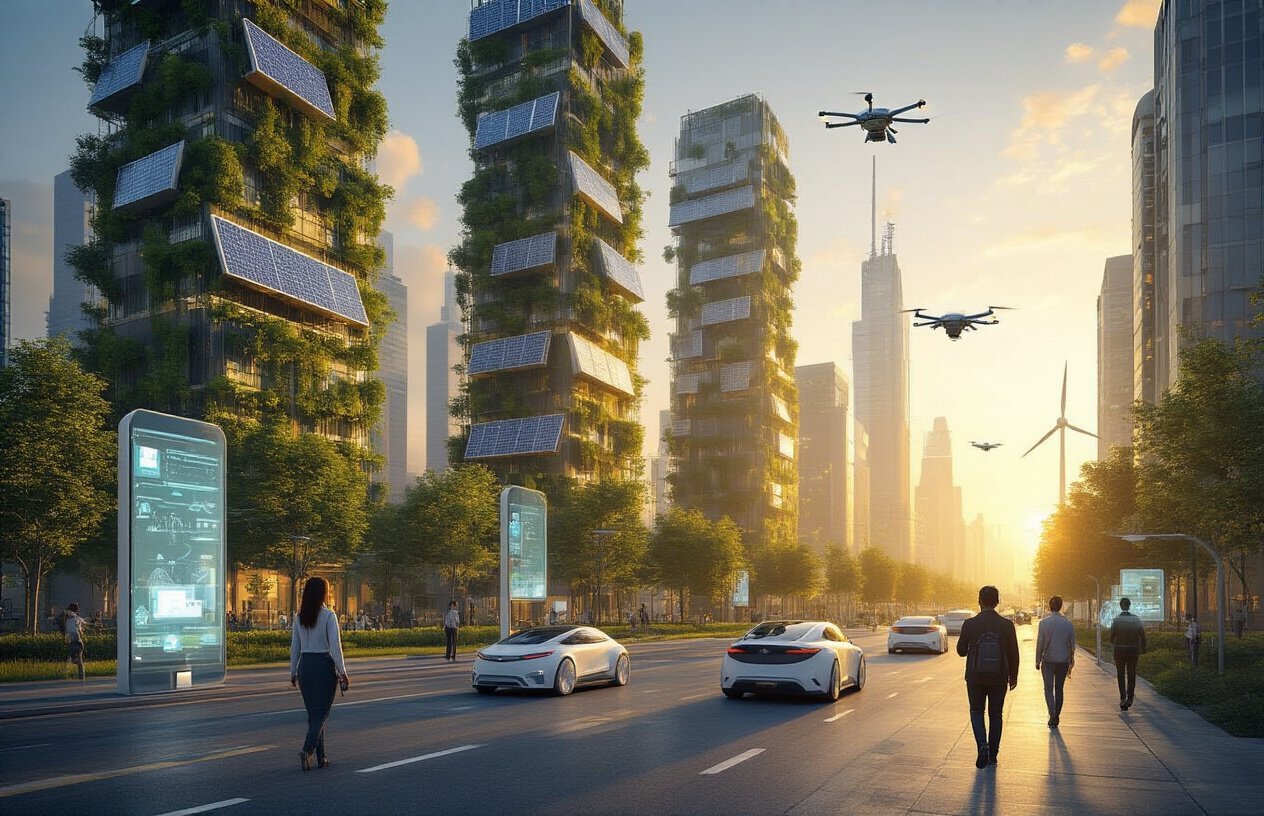
The technological landscape of 2030 will be defined by unprecedented integration between artificial intelligence, quantum computing, and biotechnology. From decision-making robots revolutionising industries to spatial computing creating seamless digital-physical interactions, these seven transformative trends represent more than incremental improvements—they signal a fundamental shift in how we live, work, and connect with our environment. Smart cities powered by interconnected sensors, climate technologies like direct air capture, and enhanced daily experiences through current tech integration will collectively reshape our world into something more efficient, sustainable, and responsive to human needs.
The next decade presents both extraordinary opportunities and complex challenges that require thoughtful preparation. As AI systems communicate autonomously, quantum computing tackles problems beyond current capabilities, and biotechnology advances reshape healthcare and agriculture, staying informed about these developments becomes essential. Whether you’re a business leader planning for the future or simply curious about what’s ahead, these trends invite you to reimagine the possibilities and prepare for a world where technology works seamlessly alongside human potential to create solutions we can barely imagine today.