Most bloggers are leaving serious money on the table by ignoring one of Google’s most visible features.
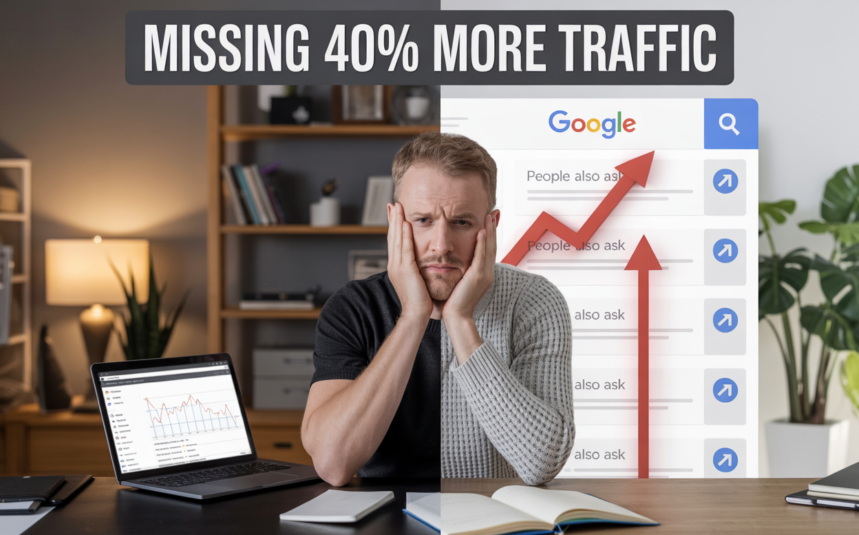
If you’re a content creator, digital marketer, or business owner struggling to increase organic traffic despite publishing consistently, you’re not alone. Over 80% of blogs fail within 18 months, and one major reason is overlooking People Also Ask (PAA) optimisation opportunities that could boost traffic by 40% or more.
People Also Ask boxes appear in 43% of all Google searches, yet most bloggers completely ignore them when planning content. These expandable question boxes represent goldmine opportunities to capture additional search visibility and drive targeted traffic to your blog.
We’ll uncover why PAA optimisation remains such an overlooked strategy despite its massive traffic potential. You’ll discover the critical blogging mistakes that kill rankings and traffic, including technical issues that silently destroy blog performance. Finally, we’ll explore proven solutions to recover from traffic drops and implement PAA-focused content strategies that actually work.
Ready to stop missing out on that 40% traffic increase? Let’s dive into why most bloggers fail and how PAA optimisation can transform your results.
The Hidden Truth About Blog Failure Rates and Traffic Loss
Why 80% of Blogs Fail Within 18 Months
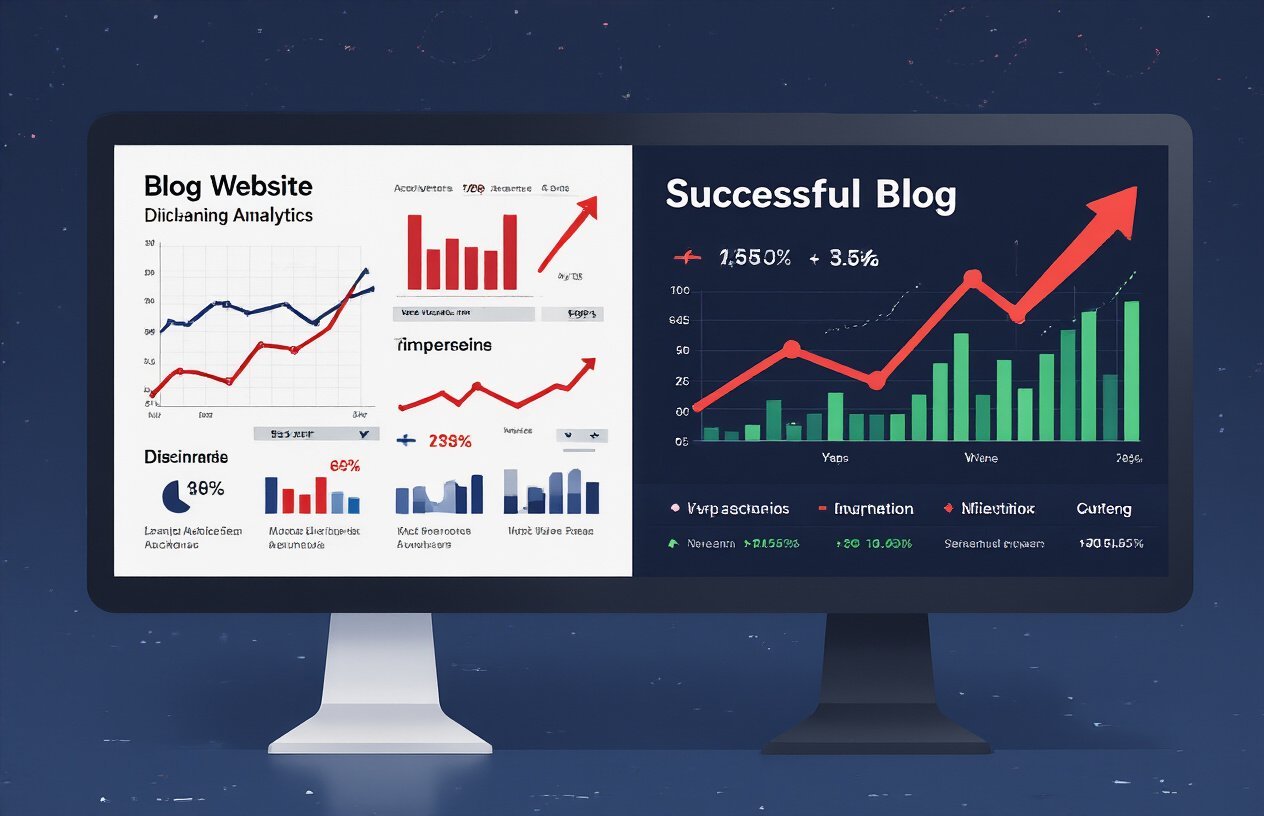
Out of over 60 million new blogs created annually, more than 80% fail within 18 months, according to Forbes. This staggering failure rate mirrors small business statistics from Bloomberg, revealing that blogging faces the same harsh realities as traditional entrepreneurship. The primary reasons include lack of consistency, poor content strategy, inadequate SEO optimisation, and unrealistic expectations about immediate monetisation.
The Shocking Reality of Zero Google Traffic for 90% of Websites
Over 90% of websites never receive any clicks from Google, highlighting the fierce competition in organic search results. Despite a new blog being created every half-second, the vast majority struggle to gain visibility in search engines. This traffic drought stems from ignoring search engine optimisation fundamentals and failing to understand what constitutes search-friendly content that can compete effectively.
How Algorithm Changes Can Destroy Established Blog Traffic Overnight
Search engine algorithms constantly evolve, and Google’s updates can significantly impact established blogs that previously enjoyed steady traffic. Blogs that relied heavily on outdated SEO practices or failed to adapt to new ranking factors often see dramatic traffic drops following major algorithm changes. Without diversified traffic sources and proper technical optimisation, even successful blogs remain vulnerable to sudden visibility losses in search results.
Understanding People Also Ask (PAA) and Its Massive Traffic Potential

What PAA Boxes Are and How They Dominate Search Results
People Also Ask (PAA) boxes are Google’s machine learning-powered SERP feature displaying expandable question boxes that anticipate related queries users might have about their search topic. These accordion-style boxes contain dropdown arrows that expand to show brief snippets pulled from web articles, paired with clickable links to the source. What makes PAA optimization particularly powerful is the dynamic, self-generating nature of these boxes—clicking one question reveals more questions at the bottom, creating an infinite expansion of related queries.
The 40% Traffic Opportunity Most Bloggers Ignore
Why PAA Optimisation Beats Traditional SEO Strategies
Google’s sophisticated machine learning analyses actual user search patterns rather than just keyword relationships, tracking what people search after their initial query to identify knowledge gaps. The algorithm constantly learns and updates, causing PAA boxes to morph throughout the day by adding new questions and swapping others based on real-time user behaviour. Unlike traditional organic results, PAA content gets refreshed way more frequently, meaning questions appearing in the morning might vanish by afternoon if user interest shifts or Google finds better answers elsewhere.
Critical Blogging Mistakes That Kill Traffic and Rankings

Ignoring Search Intent Alignment in Content Creation
Writing content without understanding search intent represents one of the most damaging blogging mistakes that kill traffic and rankings. When bloggers focus solely on topics that interest them personally rather than addressing what their target audience actually searches for, they create a fundamental disconnect that Google penalises through poor rankings and reduced visibility.
Publishing Without E-E-A-T Authority Signals
Google’s E-E-A-T framework demands that content demonstrate Experience, Expertise, Authoritativeness, and Trustworthiness through proper citations and credible sources. Bloggers who fabricate data, misuse statistics, or fail to cite trusted sources when backing claims with evidence severely damage their content’s authority signals, resulting in significant traffic loss and ranking penalties.
Neglecting Mobile Optimisation for 64% of Web Users
With mobile users representing the majority of web traffic, ignoring mobile optimisation creates a critical performance issue that silently destroys blog rankings. Poor mobile formatting, slow loading times, and unresponsive design elements cause high bounce rates that signal to search engines that the content isn’t useful, directly impacting organic traffic growth.
Creating Content Without Proper Keyword Research
Publishing blog posts without defining relevant keywords and conducting thorough keyword research represents a fundamental SEO mistake that limits discoverability. Content creators who skip this crucial step miss opportunities to align with actual search queries, resulting in blogs that remain buried in search results despite containing valuable insights and information.
Technical Issues That Silently Destroy Blog Performance

Page Speed Problems That Lose 53% of Mobile Users
Slow page speed destroys user experience and search rankings, as Google’s algorithm now prioritises sites that load within 3 seconds or less. When pages fail to meet this threshold, users immediately abandon your site and return to search results, creating a devastating impact on traffic retention.
Poor Internal Linking Strategy Reducing Session Duration
Broken internal links interrupt the user’s journey through your content and signal poor quality to search crawlers, directly affecting page rankings. Regular site audits reveal these link failures, allowing you to replace broken connections with correct URLs and maintain seamless navigation that keeps visitors engaged longer on your blog.
Missing Meta Description and Title Optimisation
Missing or non-optimised meta descriptions represent missed opportunities to capture search traffic, as these 160-character snippets help search engines index pages and encourage user clicks. Well-written meta descriptions that include relevant keywords and accurately describe page content can significantly improve click-through rates from search results.
Failing to Update Existing Content for Freshness
Content freshness signals quality to search engines, making regular updates essential for maintaining search visibility and rankings. Sites that neglect to refresh existing content with current information, updated keywords, and improved optimisation often experience declining organic traffic as search algorithms favour more recently updated, relevant content over stale pages.
Content Quality Problems That Google Penalises

Publishing Thin or Duplicate Content That Hurts Authority
Now that we have covered technical issues, let’s examine how content quality problems can trigger Google penalties. Google specifically targets thin content through algorithmic penalties, defining it not by word count but by lack of original insight or real value. Sites filled with poor-quality pages generated by automated tools face significant ranking penalties, as Google prioritises content with E-E-A-T (Experience, Expertise, Authoritativeness, and Trust) signals over keyword-stuffed material that serves no user purpose.
Lacking a Consistent Publishing Schedule
Previously, I’ve discussed how inconsistent publishing patterns signal declining authority to Google’s crawling algorithms. When websites show irregular content creation, Googlebot reduces crawl frequency, interpreting this as deprioritization of the site. This algorithmic response compounds traffic loss, as reduced crawl attention means fewer opportunities for new content to be indexed and ranked effectively.
Proven Solutions to Recover and Boost Blog Traffic
Implementing Strategic PAA Optimisation Techniques
Now that we have covered the critical mistakes that kill traffic, implementing strategic PAA optimisation becomes essential for blog recovery. People Also Ask boxes represent untapped opportunities for capturing additional organic traffic, yet most bloggers ignore these valuable search features. By targeting PAA questions directly in your content structure, you can increase visibility and answer user queries that Google prioritises in search results.
Building Authentic Expertise and Authority Signals
With this in mind, establishing genuine expertise requires demonstrating deep knowledge through comprehensive content that satisfies search intent. Google’s algorithms increasingly favour content from authoritative sources that provide accurate, well-researched information. Creating content that showcases your expertise while addressing PAA questions helps build the authority signals necessary for improved search engine rankings and sustainable traffic growth.

The staggering reality that 80% of blogs fail within 18 months isn’t due to lack of effort—it’s due to ignoring proven traffic strategies like People Also Ask (PAA) optimisation. While most bloggers chase vanity metrics and outdated tactics, the smart ones are quietly capturing that additional 40% traffic by understanding what their audience actually searches for. From fixing technical issues that silently destroy rankings to creating content that matches search intent, the path to blogging success requires addressing these critical blind spots systematically.
Your blog’s survival in 2025 depends on making data-driven decisions rather than assumptions. Start by auditing your current content for the mistakes outlined above, prioritise PAA optimisation to capture those missed opportunities, and commit to consistent quality over quantity. Remember, over 50% of bloggers who conduct proper keyword research report solid results—don’t let your blog become another statistic in the failure pile. The difference between a thriving blog and a failed one often comes down to implementing these proven strategies before your competitors do.